
Introduction
Drawing the perfect fashion figure face is a crucial skill for aspiring fashion illustrators. It breathes life into your designs and sets the tone for your entire artwork. Whether you’re sketching for a portfolio or just practicing, learning the essentials of face drawing in fashion can elevate your creativity.
In this guide, you’ll discover beginner-friendly tips to master the art of drawing fashion figure faces. From understanding facial proportions to adding unique style elements, this article covers everything you need. Let’s dive into the world of fashion figure face drawing and make your sketches stand out!
Understanding the Basics of Fashion Figure Face
What Makes a Fashion Figure Face Unique?
Fashion figure faces aren’t just regular portraits—they are stylized, elegant, and often exaggerated to express mood and personality. Unlike realistic faces, these faces tend to have elongated features, sharp jawlines, and expressive eyes to complement the clothing designs.
Why Focus on the Face in Fashion Illustration?
The face directs attention and sets the emotional tone of the entire figure. A well-drawn face can communicate confidence, grace, or edge, enhancing your fashion story. As a beginner, mastering face drawing alongside your figures will make your sketches more compelling.
Essential Proportions for Fashion Figure Faces
Using the Oval Shape as a Base
Start with an elongated oval for the head. Fashion faces are usually longer than natural faces to maintain elegance. Keep the chin slightly pointed rather than round.
Dividing the Face into Proportional Guidelines
Draw light horizontal lines to divide the face into three equal parts: hairline to eyebrows, eyebrows to the bottom of the nose, and nose to chin. These guidelines help place facial features accurately.

Placing the Eyes
The eyes should sit on the middle horizontal line. Leave about one eye’s width between them to keep balance. Fashion figures often have larger, almond-shaped eyes to emphasize expression.
Positioning the Nose and Lips
The bottom of the nose aligns with the second horizontal line. Lips sit just below this line, with the width of the mouth aligning approximately with the pupils of the eyes.
Drawing Facial Features with Style
Eyes: Expressive and Stylized
Use elongated shapes and sharp angles to draw eyes that capture attention. Add long lashes and subtle shading for depth. Keep pupils relatively small to maintain a chic look.
Nose: Simple Yet Defined
Fashion noses are often drawn with minimal lines. Focus on the nose bridge and slight shading rather than detailed nostrils. This approach keeps the face clean and elegant.
Lips: Full and Defined
Draw lips with a gentle curve and slight fullness, emphasizing the cupid’s bow. Use light shading to show volume, avoiding heavy outlines.
Eyebrows: Key to Expression
Eyebrows shape the face’s mood. Sketch them slightly arched or straight depending on the character’s vibe. Thin, well-groomed brows are common in fashion sketches.
Adding Hair and Accessories
Hair: Flow and Movement
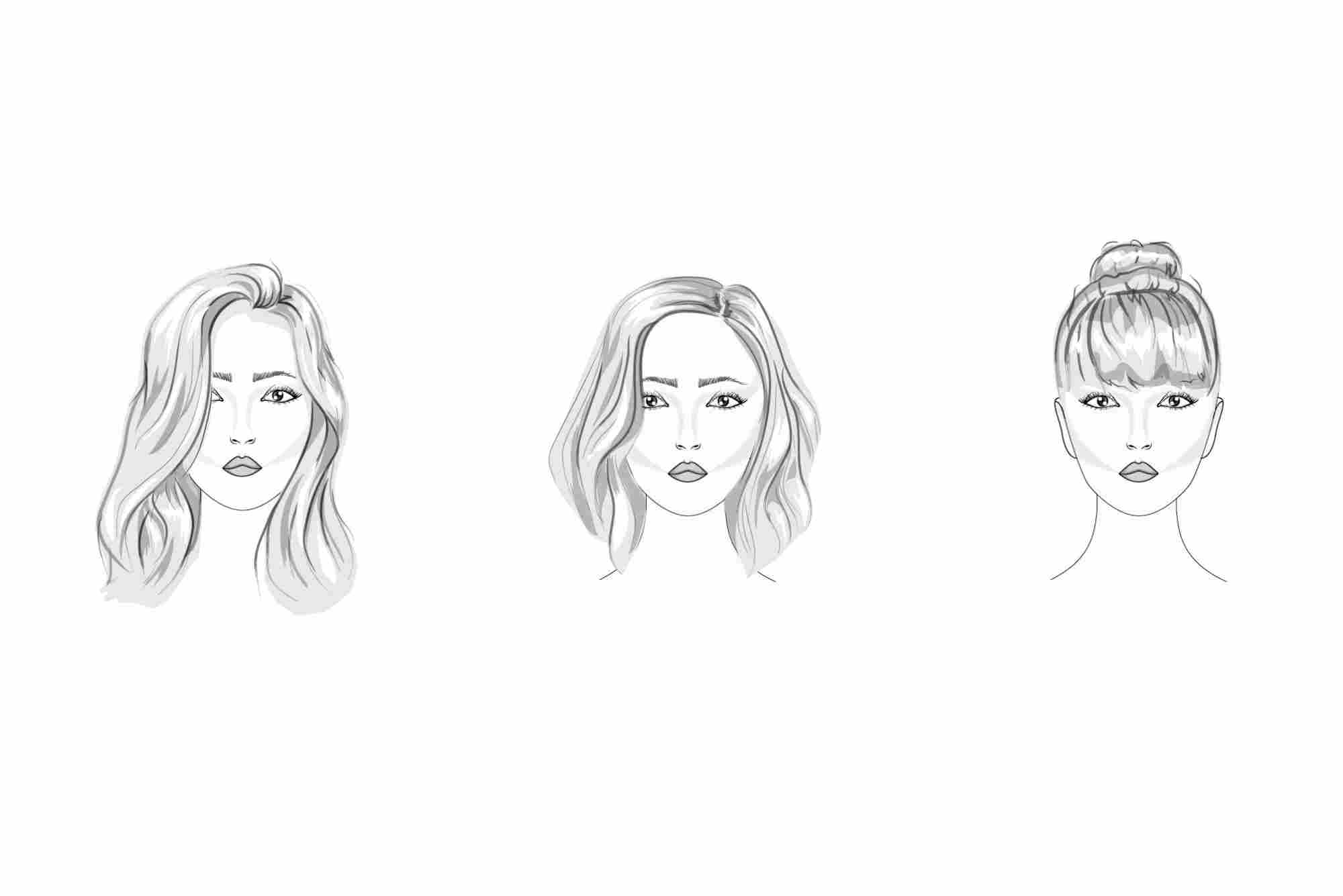
Hair in fashion figure faces is not about every strand but the overall shape and flow. Use sweeping lines to create volume and style, matching the clothing’s mood.
Accessories: Enhancing the Look
Earrings, hats, and sunglasses add personality. Draw them proportionally and integrate with the face naturally. Accessories can highlight the fashion theme you want to portray.
Tips for Beginners to Improve Quickly
Practice Light Sketching First
Always start with light pencil strokes. It helps to adjust proportions and correct mistakes before adding details.
Use Reference Images
Look at fashion magazines and runway photos. Studying real faces and fashion styles boosts your understanding and inspiration.
Experiment with Different Styles
Try sketching faces with various shapes and expressions. This experimentation builds versatility and creativity.
Focus on One Feature at a Time
Practice eyes, lips, or noses separately before combining them. Mastering each element improves your overall drawing.
Common Mistakes to Avoid
Ignoring Proportions
Many beginners struggle with facial proportions. Avoid making the forehead too big or eyes too small, as this distorts the fashion figure.
Over-detailing
Fashion illustration is about suggestion rather than realism. Avoid cluttering your sketch with unnecessary details.
Skipping Guidelines
Always use guidelines for placement. Skipping them can result in uneven and unbalanced faces.
Using Tools and Materials for Fashion Figure Face Drawing
Recommended Pencils and Erasers
Use a range of pencils (2H for guidelines, HB for sketching, 2B for shading). A kneaded eraser helps clean up without damaging the paper.
Paper Choices
Choose smooth drawing paper or sketchbooks designed for pencil work. This allows clean lines and easy erasing.
Digital Drawing Tablets
If you prefer digital art, tablets like Wacom or iPad Pro with Procreate offer great tools for fashion figure face drawing with layers and undo options.
How to Practice Daily and Track Progress
Set a Routine
Spend at least 15 minutes daily sketching faces. Consistent practice accelerates skill improvement.
Keep a Sketch Journal
Maintain a sketchbook dedicated to faces. Review it weekly to notice progress and areas needing work.
Join Online Communities
Platforms like Instagram or Pinterest are great for sharing work and getting feedback from other fashion illustrators.
Elevate Your Fashion Figure Face Drawing Skills Today
Drawing the perfect fashion figure face takes time and patience. By mastering proportions, stylizing features, and practicing regularly, you’ll create stunning fashion illustrations that catch the eye. Remember, every great artist started as a beginner. So grab your pencil, use these tips, and bring your fashion figures to life.
Ready to improve your fashion illustration skills further? Explore detailed tutorials and fashion sketchbooks to deepen your understanding and refine your style.
Frequently Asked Questions (FAQs)
How do I draw realistic fashion figure faces?
Start by understanding facial proportions and use light guidelines. Focus on stylizing features while keeping balance and expression in mind.
What is the best way to practice fashion figure face drawing?
Daily sketching with reference images helps. Break down faces into simple shapes and practice individual features before combining them.
Can I use digital tools to draw fashion faces?
Yes, digital tablets offer great flexibility with layers and corrections, making it easier to experiment and refine your drawings.
How important are facial expressions in fashion illustration?
Very important. Expressions add personality to your figures and complement the clothing’s mood and style.
Should I add accessories when drawing fashion figure faces?
Accessories enhance your illustration’s story. Include hats, earrings, or glasses that fit the fashion style you want to portray.