
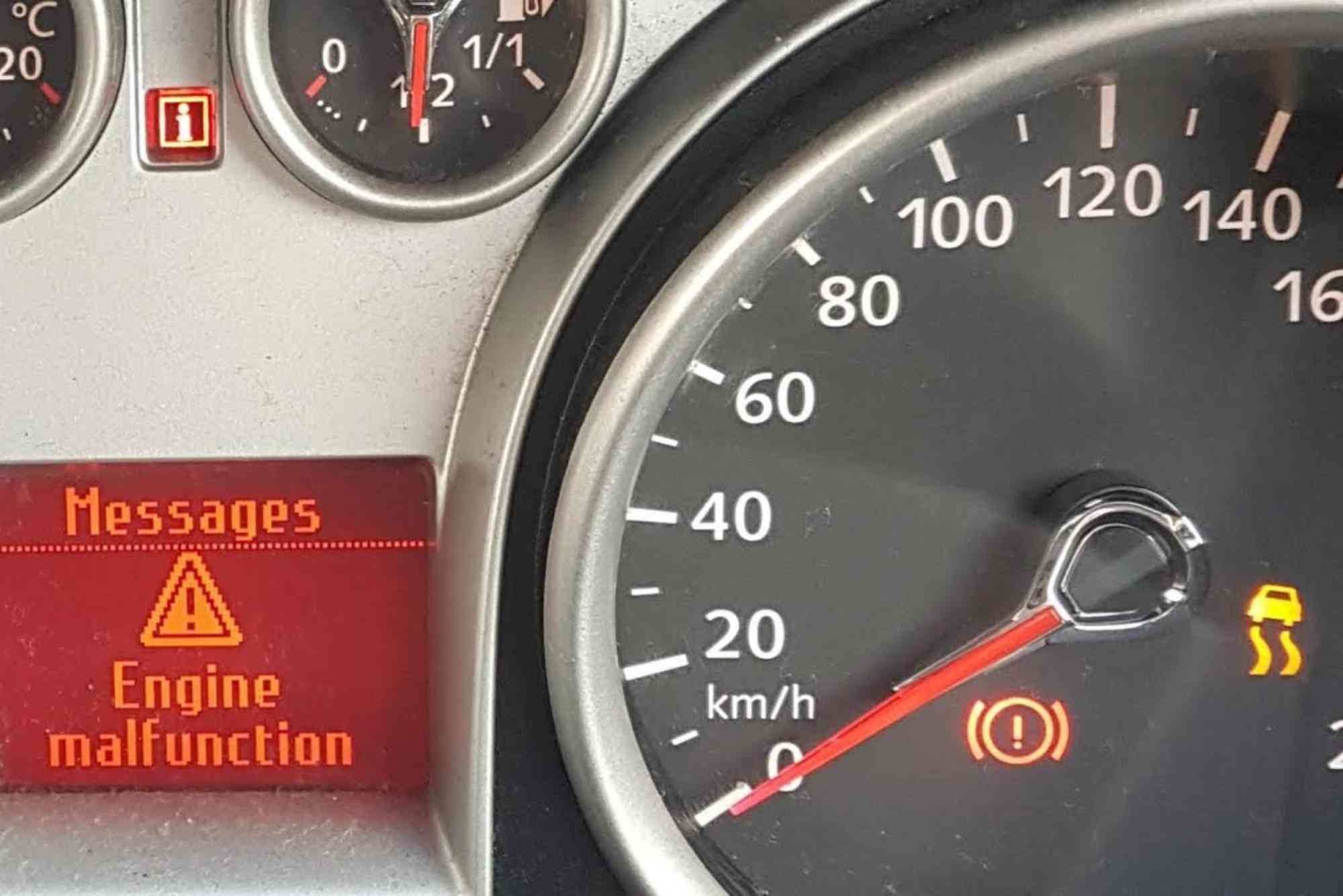
Engine Malfunction in Ford Focus: Common Causes and Fixes
When the dreaded “engine malfunction” warning appears on your Ford Focus, it can instantly create anxiety. For many drivers, this alert brings uncertainty about repair costs, safety, and reliability. The Ford Focus, while known for its practicality and efficiency, can experience a range of issues that trigger this warning. Understanding the causes behind an engine malfunction in a Ford Focus is essential for diagnosing the problem early and applying the right fixes. In this guide, we’ll explore the most common reasons for this warning, how to troubleshoot it, and what steps you can take to restore your vehicle’s performance.
Understanding Engine Malfunction in a Ford Focus
The “engine malfunction” warning light is essentially your vehicle’s way of communicating that something is wrong within its systems. This doesn’t always mean catastrophic engine failure. Often, the message relates to sensors, electronic controls, or minor issues that can escalate if ignored. Ford Focus models rely heavily on electronic monitoring systems, so even small irregularities can trigger the alert. Recognizing the difference between a minor fault and a serious failure is key to addressing the problem efficiently.
Common Causes of Engine Malfunction in Ford Focus
Faulty Oxygen Sensors
Oxygen sensors measure the amount of oxygen in your exhaust gases to optimize fuel mixture. When these sensors fail, your Ford Focus may burn fuel inefficiently, leading to poor performance and increased emissions. A faulty sensor often triggers the engine malfunction light, and ignoring it may harm the catalytic converter over time.
Mass Air Flow Sensor Issues
The mass air flow (MAF) sensor ensures the engine gets the right amount of air for combustion. A dirty or failing MAF sensor can send incorrect readings to the ECU. This results in rough idling, stalling, or sluggish acceleration, all of which can activate the malfunction warning in your Ford Focus.
Ignition Coil or Spark Plug Failure
Misfires are one of the most common reasons behind the engine malfunction warning. Worn spark plugs or damaged ignition coils disrupt combustion, causing vibrations, reduced power, and difficulty starting. Left unresolved, these misfires can cause further damage to the catalytic converter and other components.
Exhaust Gas Recirculation (EGR) Valve Problems
The EGR valve plays an important role in reducing emissions by recirculating exhaust gases back into the combustion chamber. When the valve becomes clogged or stuck, it can reduce efficiency and performance. In Ford Focus models, this often leads to rough running and the illumination of the engine malfunction light.

Fuel System Issues
A weak fuel pump, clogged fuel injectors, or a dirty fuel filter can all interfere with the precise delivery of fuel to the engine. This imbalance leads to loss of power, poor fuel economy, and eventually triggers a warning message. The Ford Focus is particularly sensitive to fuel quality, so contaminated fuel may also cause malfunctions.
Catalytic Converter Failure
A failing catalytic converter not only impacts emissions but also disrupts the overall engine performance. Signs include poor acceleration, a rotten egg smell, and rattling noises from under the car. Because this component is vital for reducing harmful gases, its failure will almost always result in an engine malfunction alert.
Sensor and ECU Communication Errors
Modern Ford Focus models rely on an extensive network of sensors that communicate with the ECU (Engine Control Unit). If these systems fail to communicate properly due to wiring issues or software glitches, the malfunction light will come on. Sometimes, this can be fixed with a simple reset, while other times it requires professional diagnostics.
Battery and Electrical Issues
Surprisingly, something as simple as a weak battery or failing alternator can trigger the engine malfunction warning. When voltage drops below the required level, sensors and the ECU may not function correctly, leading to false readings and error codes.
How to Fix Engine Malfunction in a Ford Focus
Diagnosing with an OBD-II Scanner
The first step when facing an engine malfunction warning is to scan the vehicle with an OBD-II diagnostic tool. This scanner retrieves error codes stored in the ECU, pointing you to the exact problem area. Many auto parts stores offer free scans, and portable scanners are affordable for personal use.
Replacing or Cleaning Sensors
If the issue is related to oxygen or MAF sensors, cleaning may sometimes resolve the problem. However, if the sensor is damaged, replacement is the most effective fix. These parts are relatively inexpensive compared to the potential damage they prevent.
Checking and Replacing Ignition Components
When misfires are detected, inspect spark plugs and ignition coils. Replacing spark plugs is a routine maintenance task, while ignition coils may require a slightly higher investment. Doing this early prevents further complications such as catalytic converter failure.
Fuel System Maintenance
If diagnostics reveal a fuel system issue, start with simple solutions like adding a fuel injector cleaner. For more severe cases, replacing clogged injectors, fuel filters, or a weak fuel pump may be necessary. Using high-quality fuel also prevents recurrence.
Cleaning or Replacing the EGR Valve
When dealing with an EGR valve issue, cleaning carbon deposits may restore proper function. If the valve is severely damaged, replacement is the only long-term fix. Regular servicing helps prevent carbon buildup.
Addressing Catalytic Converter Problems
Unfortunately, when the catalytic converter fails, replacement is usually the only solution. Though costly, it is essential for both performance and emissions compliance.
Resetting or Updating the ECU
For software-related issues, resetting the ECU may clear temporary errors. In some cases, a software update from the dealership is necessary. This ensures better communication between sensors and the ECU.
Electrical System Check
Always test the battery and alternator if the problem remains unclear. Replacing a weak battery or repairing wiring faults often resolves mysterious engine malfunction warnings in Ford Focus vehicles.
Preventive Measures for Ford Focus Owners
Prevention is always better than repair. Regular servicing according to Ford’s recommendations is the best way to avoid engine malfunctions. Using quality fuel, changing filters on time, and keeping up with spark plug replacements go a long way in preventing costly breakdowns. Additionally, cleaning sensors during routine maintenance can prevent them from failing prematurely.
When to Seek Professional Help
While DIY fixes work for minor issues, some problems require professional expertise. If your Ford Focus is running rough, losing power, or making unusual noises alongside the malfunction light, consult a qualified mechanic. Continuing to drive with unresolved issues may lead to severe engine damage, higher repair costs, or safety risks.
FAQs
Why does my Ford Focus say engine malfunction?
It usually means the ECU has detected a problem with sensors, ignition, or fuel systems.
Is it safe to drive with an engine malfunction warning?
If the car drives normally, short trips may be safe. However, prolonged driving can worsen the issue.
How do I reset the engine malfunction light on a Ford Focus?
You can reset it with an OBD-II scanner, but it’s essential to fix the underlying issue first.
Can low battery cause engine malfunction in Ford Focus?
Yes, low voltage from a weak battery or alternator can trigger false warnings.
How much does it cost to fix engine malfunction in Ford Focus?
Costs vary from a few dollars for spark plugs to several hundred or more for catalytic converter replacement.
The “engine malfunction Ford Focus” warning doesn’t always spell disaster, but it should never be ignored. From faulty sensors and ignition issues to more complex fuel or catalytic converter problems, there are many possible causes. The key is early diagnosis and prompt action. Whether it’s replacing spark plugs, cleaning sensors, or consulting a professional for complex repairs, addressing the problem quickly saves money and ensures your Ford Focus remains safe and reliable on the road.