
Introduction
Homeownership comes with many joys, but it also comes with inevitable challenges. No matter how well you plan, unexpected issues can arise at any time. A leaking pipe, a power outage, or a broken water heater can disrupt your comfort and even cause costly damage if not handled quickly. This is where emergency home maintenance becomes essential. By knowing how to respond to common household problems, you can minimize damage, save money, and keep your home safe. Emergency home maintenance is not about replacing the work of professional technicians, but about equipping yourself with basic knowledge and quick fixes that buy you time until professional help arrives.
Why Emergency Home Maintenance Matters
Emergencies often happen when we least expect them. Imagine waking up to water flooding your kitchen, or realizing your heating system has stopped working during the coldest night of winter. Without a plan, panic sets in. Emergency home maintenance prepares you for these situations. It helps reduce risks, protects your property, and ensures your family’s safety. A simple repair, like shutting off a leaking pipe or sealing a draft, can prevent long-term problems such as mold, structural damage, or high energy bills. It is also about peace of mind, knowing you have the skills and tools to respond immediately when something goes wrong.
Common Emergency Home Maintenance Issues and How to Handle Them
Water Leaks and Plumbing Problems
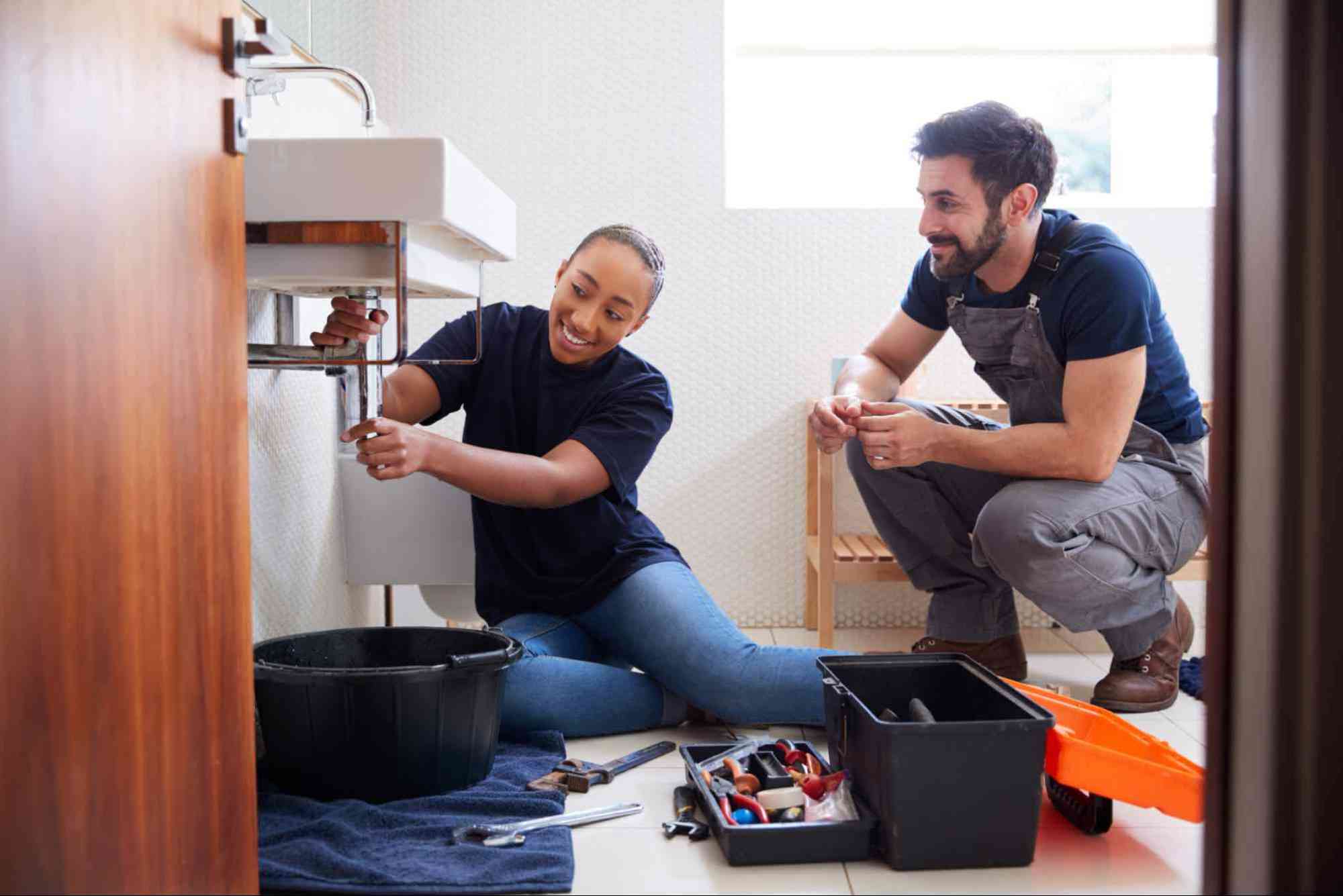
Water-related emergencies are among the most stressful issues homeowners face. A burst pipe, clogged drain, or overflowing toilet can cause extensive damage if not addressed quickly. The first step is always to locate and shut off the main water valve. This stops further flooding. Once the water flow is controlled, you can use towels, buckets, or a wet vacuum to contain the damage. Minor leaks from pipes under sinks can be temporarily sealed with plumber’s tape or a pipe repair clamp until a plumber arrives. For clogged drains, avoid harsh chemical cleaners, as they may damage pipes. Instead, try a plunger or a drain snake to dislodge the blockage.
Electrical Outages and Hazards
Electrical problems can be frightening, especially if they involve sparks, smoke, or complete outages. If a power outage is isolated to your home, first check your circuit breaker. Often, resetting a tripped breaker solves the problem. However, if you notice burning smells or flickering lights, turn off the main power immediately and call an electrician. For smaller issues, such as a malfunctioning outlet, avoid overloading the circuit with multiple high-wattage appliances. Remember that water and electricity are a dangerous mix, so never attempt electrical repairs in wet conditions. A surge protector can also help safeguard electronics during unexpected power fluctuations.
Heating and Cooling System Failures
Your heating and cooling systems are vital for comfort. If the furnace stops working in winter, check the thermostat batteries first. Often, a simple replacement resolves the issue. Next, examine the furnace filter; a clogged filter can restrict airflow and cause shutdowns. For air conditioning problems, inspect the outdoor unit to ensure it is free of debris like leaves or dirt. If the issue persists, switch off the system to prevent further damage and call an HVAC technician. In the meantime, use space heaters safely or fans for temporary relief. Never leave portable heaters unattended, and keep them away from flammable objects.
Roof Leaks and Storm Damage
A leaking roof can cause water stains on ceilings, damaged insulation, and structural issues. During a storm, if you notice water dripping, place a bucket underneath to catch the water and minimize interior damage. You can also use a tarp as a temporary cover to shield the affected area. Once the weather clears, inspect the roof for missing shingles or flashing. Roof maintenance should not be delayed, as even small leaks can grow into major repairs. If climbing onto the roof is unsafe, hire a professional immediately, but securing the interior space with plastic sheeting is a good temporary measure.

Broken Windows and Doors
Strong winds, accidents, or break-ins can leave you with broken windows or damaged doors. For security and safety, cover broken glass with thick plastic, plywood, or duct tape until repairs can be made. If the door lock is broken, use a temporary lock or brace the door with a heavy object until a locksmith can arrive. Keeping a basic toolkit with a hammer, screws, and nails can be invaluable in emergencies like these. Prompt action prevents further exposure to weather elements and keeps your home secure.
Gas Leaks and Safety Concerns
A gas leak is one of the most dangerous home emergencies. The smell of rotten eggs is often the first sign. If you suspect a gas leak, do not use electrical switches, lighters, or phones inside the house. Open windows to ventilate the area and leave immediately. Call your gas company or emergency services from a safe distance. Regular inspection of gas appliances and installing carbon monoxide detectors are preventive steps that protect your family. Gas issues should always be handled by licensed professionals.
Preparing for Emergency Home Maintenance
Essential Tools and Supplies
Being prepared is half the battle. Every homeowner should have a basic emergency toolkit. This includes screwdrivers, pliers, a hammer, duct tape, a utility knife, flashlights with extra batteries, a first-aid kit, and a fire extinguisher. For plumbing issues, a plunger, plumber’s tape, and an adjustable wrench are invaluable. For electrical issues, a voltage tester and surge protectors are helpful. Keeping sandbags or a wet vacuum on hand can also help in flood-prone areas.
Creating a Maintenance Checklist
A proactive approach prevents many emergencies. Create a seasonal maintenance checklist. In spring, check gutters and downspouts for clogs. In summer, inspect cooling systems. In autumn, clean chimneys and check heating units. In winter, insulate pipes to prevent freezing. Regular inspections help you spot small issues before they escalate into costly repairs.
Knowing When to Call a Professional
While emergency home maintenance equips you with quick fixes, knowing when to seek professional help is crucial. DIY solutions are only temporary. For structural damage, major electrical faults, or gas-related issues, professionals are necessary for safety and long-term solutions. Do not risk your health or property by attempting repairs beyond your expertise.
FAQs
What are the most common home emergencies?
Plumbing leaks, power outages, HVAC breakdowns, roof leaks, and gas leaks are the most frequent issues.
How can I prevent home emergencies?
Regular inspections, seasonal maintenance, and having essential tools on hand reduce the risk of sudden problems.
What should I do if my water pipe bursts?
Turn off the main water valve immediately, drain faucets, and call a plumber. Use towels or buckets to control flooding.
Is it safe to do electrical repairs myself?
Small tasks like resetting breakers are fine, but anything involving wiring or burning smells requires a licensed electrician.
How often should I check my home for maintenance issues?
A seasonal checklist is ideal. Inspect your home four times a year to stay ahead of potential problems.
Emergency home maintenance is about readiness, quick thinking, and knowing how to handle problems until expert help arrives. Whether it is a leaking pipe, a broken furnace, or a sudden power outage, the first steps you take can protect your home and save money. With the right tools, preventive measures, and knowledge, you can reduce stress during unexpected situations. Remember, not every issue can be fixed on your own, but by acting swiftly you can limit damage and keep your family safe. If you are serious about protecting your home, start building your emergency maintenance kit today and create a checklist to stay prepared. For peace of mind and long-term protection, always follow up quick fixes with professional inspections and repairs.