
The Rise of Electronic Security Technologies in a Digital World
In today’s digitally connected environment, safeguarding people, assets, and information has become a critical necessity. As cyber threats grow more sophisticated and physical breaches continue to evolve, the demand for robust and intelligent protection systems has reached unprecedented levels. This increasing need has propelled the rise of electronic security technologies — a transformative wave redefining safety in the modern era. From surveillance cameras and biometric access systems to cloud-based alarms and AI-driven threat detection, electronic security technologies now sit at the heart of global safety protocols, both online and offline.
The evolution of security solutions has come a long way from conventional locks and guards. Now, digital firewalls, encrypted access, facial recognition, and smart monitoring systems play a central role in protecting businesses, homes, and public infrastructures. Electronic security technologies are not just tools — they are enablers of proactive defense, quick response, and long-term resilience in a world where digital transformation is constant.
Understanding Electronic Security Technologies
Electronic security technologies refer to a wide array of digital tools and systems designed to protect physical and digital spaces from unauthorized access, intrusions, cyberattacks, and other threats. These technologies combine hardware components like sensors, cameras, and detectors with intelligent software, analytics, and connectivity to ensure 24/7 monitoring and automated responses.
As the internet of things (IoT) and cloud computing continue to expand, electronic security systems have become more integrated, mobile, and scalable. These technologies can now be remotely managed, monitored in real-time, and customized based on user needs. Their adaptability makes them vital for sectors like banking, education, healthcare, manufacturing, transportation, and even residential living.
The Driving Forces Behind Security Tech Adoption
Several factors contribute to the rapid adoption of electronic security technologies. Firstly, the rise of cybercrime, data breaches, and physical security threats has made both private organizations and governments aware of their vulnerabilities. These threats are no longer limited to large corporations; even small businesses and individuals are targets of complex attacks.
Secondly, digital transformation in every industry has made security more complicated. As more devices connect to the internet and sensitive data is stored in the cloud, traditional security mechanisms have become insufficient. Businesses must now adopt electronic security technologies that offer layered protection — combining physical surveillance with cybersecurity.

Additionally, technological advancements have made these systems more cost-effective and accessible. Innovations in AI, machine learning, edge computing, and mobile applications have not only reduced the cost of deployment but also increased the efficiency and accuracy of these tools. Consumers are now more likely to invest in smart doorbells, home alarm systems, and real-time CCTV monitoring that syncs with their smartphones.
Key Areas Where Electronic Security Technologies Are Impacting
Smart Surveillance and Video Analytics
Traditional CCTV cameras are evolving into intelligent surveillance systems. Modern cameras now come equipped with motion detection, night vision, facial recognition, license plate recognition, and behavioral analytics. These features allow real-time threat detection, anomaly spotting, and quicker emergency responses. Smart surveillance is increasingly deployed in smart cities, public transport, shopping malls, and office complexes.
Biometric Access Control
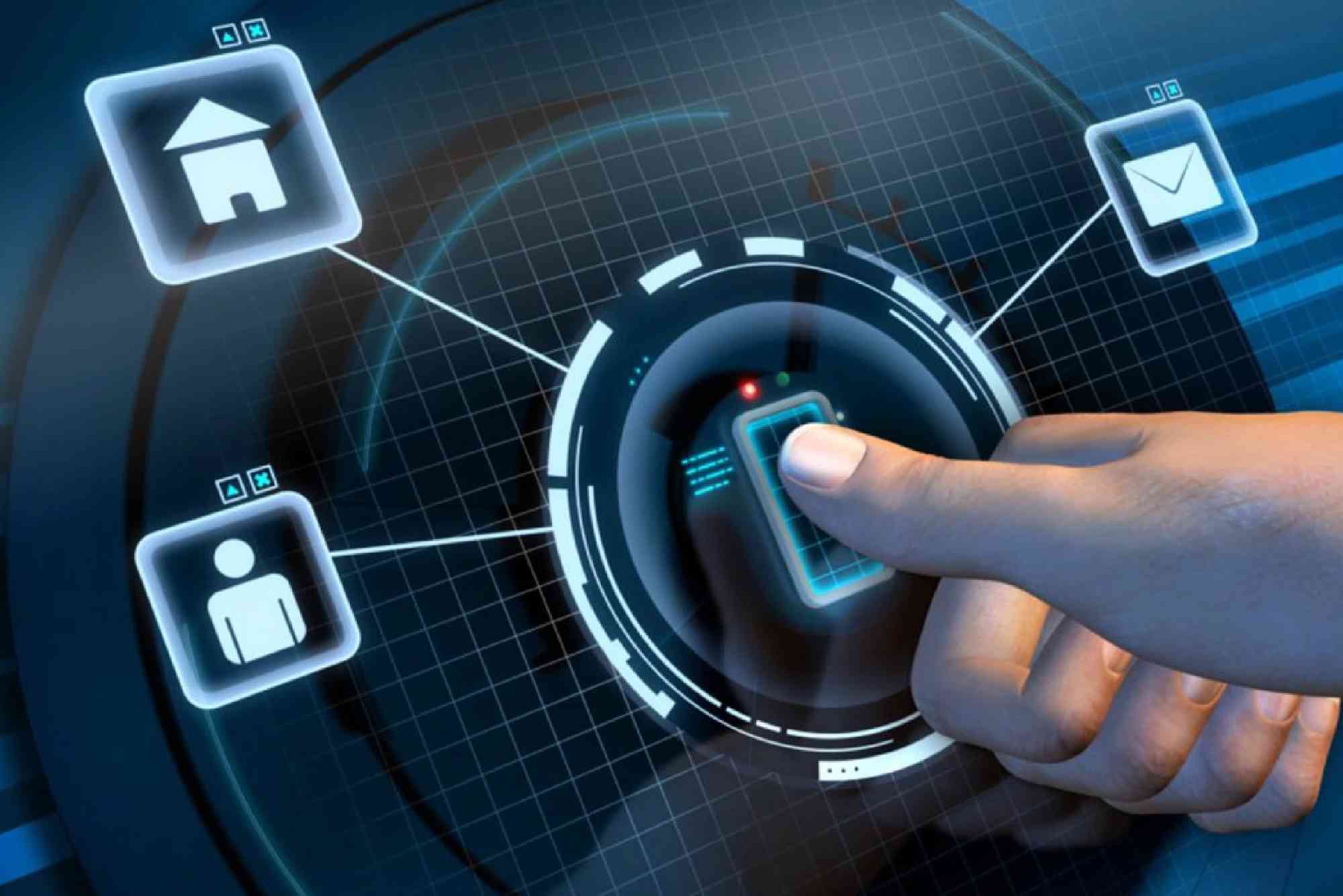
One of the most effective advancements in electronic security technologies is biometric access control. Fingerprint scanning, facial recognition, retina scanning, and voice authentication are replacing traditional ID cards and passwords. Biometrics provide a higher level of accuracy, reduce human error, and enhance convenience. In high-security environments such as airports, research labs, and financial institutions, biometric access is becoming the gold standard.
Cloud-Based Security Platforms
Cloud computing has revolutionized how electronic security systems operate. Businesses and homeowners can now access surveillance feeds, control systems, and generate reports from any device, anywhere in the world. Cloud-based security also enhances data backup, integrates with AI for smarter alerts, and enables collaboration between different security layers. Furthermore, it minimizes the need for on-site servers and maintenance.
Intrusion Detection and Alarm Systems
Modern alarm systems go beyond noise-making when triggered. They now offer detailed reporting, GPS location, automated alerts to emergency contacts, and integration with emergency services. With the help of AI, these systems can differentiate between genuine threats and false alarms, reducing unnecessary panic and ensuring precision in responses.
Cybersecurity and Data Protection
As physical and digital worlds merge, cybersecurity has become an essential part of electronic security technologies. Firewalls, intrusion prevention systems, multi-factor authentication, and data encryption now work in tandem with physical security layers. Electronic systems are being designed with cybersecurity at their core to ensure that connected devices don’t become entry points for hackers.
Benefits of Electronic Security Technologies in Modern Society
The advantages of adopting electronic security technologies are profound. Enhanced visibility, quicker response times, remote access, data-backed decisions, and better resource management are just a few. For businesses, these tools reduce operational risk, minimize loss, and ensure compliance with regulatory standards. For individuals, they provide peace of mind, personal safety, and better control over their property and loved ones.
Moreover, as these systems generate and analyze large amounts of data, they can be used to predict future threats, improve incident management, and refine operational protocols. This data-driven approach makes electronic security a strategic asset rather than a reactive expense.
Challenges and Considerations in Deploying Security Technologies
Despite their advantages, electronic security technologies are not without challenges. One major concern is data privacy. With cameras monitoring every corner and biometric information being collected, concerns around who accesses this data, how it is stored, and how it is used are valid. Governments and companies must ensure compliance with privacy laws and ethical guidelines.
Another concern is the potential vulnerability of these systems to hacking. If not adequately protected, electronic security systems themselves can become targets. Regular updates, strong encryption, and cybersecurity integration are critical to prevent breaches.
Cost can also be a limiting factor for small organizations and individuals. Although prices have dropped over time, high-end systems with advanced analytics and AI capabilities may still be out of reach for some users. Scalability, ease of use, and user education are other factors that influence successful deployment.
The Future of Electronic Security Technologies
Looking ahead, the future of electronic security technologies is promising and expansive. Artificial intelligence will play a pivotal role in enabling predictive security, where systems can foresee and prevent threats before they occur. Machine learning will improve system accuracy, reducing false positives and automating routine tasks like reviewing hours of footage.
The use of drones for surveillance, autonomous security robots, and blockchain for tamper-proof data storage are also emerging trends. As 5G connectivity becomes more widespread, electronic security systems will become faster, more responsive, and more integrated than ever.
Moreover, personalization and customization will become more central. Users will demand systems that not only protect but also adapt to their behaviors, preferences, and environments. Smart homes and smart cities will rely heavily on interconnected, intelligent security systems that offer seamless protection across physical and digital boundaries.
Why Embracing Security Innovation Matters
In a world where threats are both physical and virtual, adopting electronic security technologies is no longer a luxury — it’s a necessity. These technologies provide a robust, intelligent, and adaptive layer of protection that traditional methods simply cannot match. Whether you’re a homeowner looking for peace of mind or a global enterprise managing critical infrastructure, electronic security systems offer unmatched security and control.
Now is the time to assess your vulnerabilities, evaluate your current security strategy, and invest in technologies that future-proof your safety. Partner with trusted security providers, stay informed about emerging threats, and embrace innovation that keeps you one step ahead.
FAQs
What are examples of electronic security technologies?
Electronic security technologies include surveillance cameras, biometric systems, access control, alarm systems, intrusion detection, and cybersecurity software. These tools work together to protect physical spaces and digital networks from unauthorized access and threats.
Why is electronic security important in today’s world?
With increasing threats from hackers, intruders, and other malicious actors, electronic security provides proactive, real-time protection for data, people, and property. It ensures safety, continuity, and compliance in both residential and commercial environments.
How do biometric security systems work?
Biometric systems identify individuals based on unique biological traits like fingerprints, facial patterns, or voice. These systems compare real-time inputs with stored templates to grant or deny access, ensuring a high level of accuracy and security.
Are cloud-based security systems safe?
Yes, when implemented correctly, cloud-based systems are secure. They offer encrypted communication, data backup, and multi-layer access control. However, choosing reputable providers and maintaining strong cybersecurity practices is essential.
What is the role of AI in electronic security?
AI enhances electronic security technologies by enabling automated threat detection, facial recognition, behavioral analytics, and predictive risk analysis. It reduces response time and improves the overall efficiency of security operations.