
Education Then and Now: A Comparative Essay
Education is one of the most powerful tools for shaping individuals and societies. Over centuries, it has undergone significant transformation, adapting to cultural, social, and technological changes. When we look at education then and now, it becomes clear that while the core purpose of learning—passing knowledge to the next generation—remains the same, the methods, environments, and expectations have changed dramatically. This education then and now essay will explore the contrasts between past and present systems, highlight their advantages and shortcomings, and explain how these changes impact students, teachers, and society.
The Purpose of Education in the Past and Present
Traditionally, education was about instilling moral values, discipline, and practical skills required for survival. In many ancient societies, education was tied to religion, philosophy, or the needs of the community. For instance, children were trained in farming, trade, or warfare, depending on their family and social background. Schools were limited to elites, while ordinary people often relied on apprenticeships or oral teaching.
Today, education is seen as a universal right. Its purpose goes beyond survival—it aims to prepare individuals for careers, foster creativity, and develop critical thinking. Access has expanded, with institutions striving for inclusivity across gender, race, and class. This shift shows how education has evolved from a privilege to a necessity, reflecting the growing demands of modern life.
Teaching Methods: Chalkboards vs. Smartboards
The methods of teaching highlight one of the clearest differences between education then and now. In the past, rote memorization and repetition were the foundation of learning. Students copied texts by hand, recited lessons aloud, and often faced strict discipline for mistakes. The teacher was seen as the sole authority, and questioning was rarely encouraged.
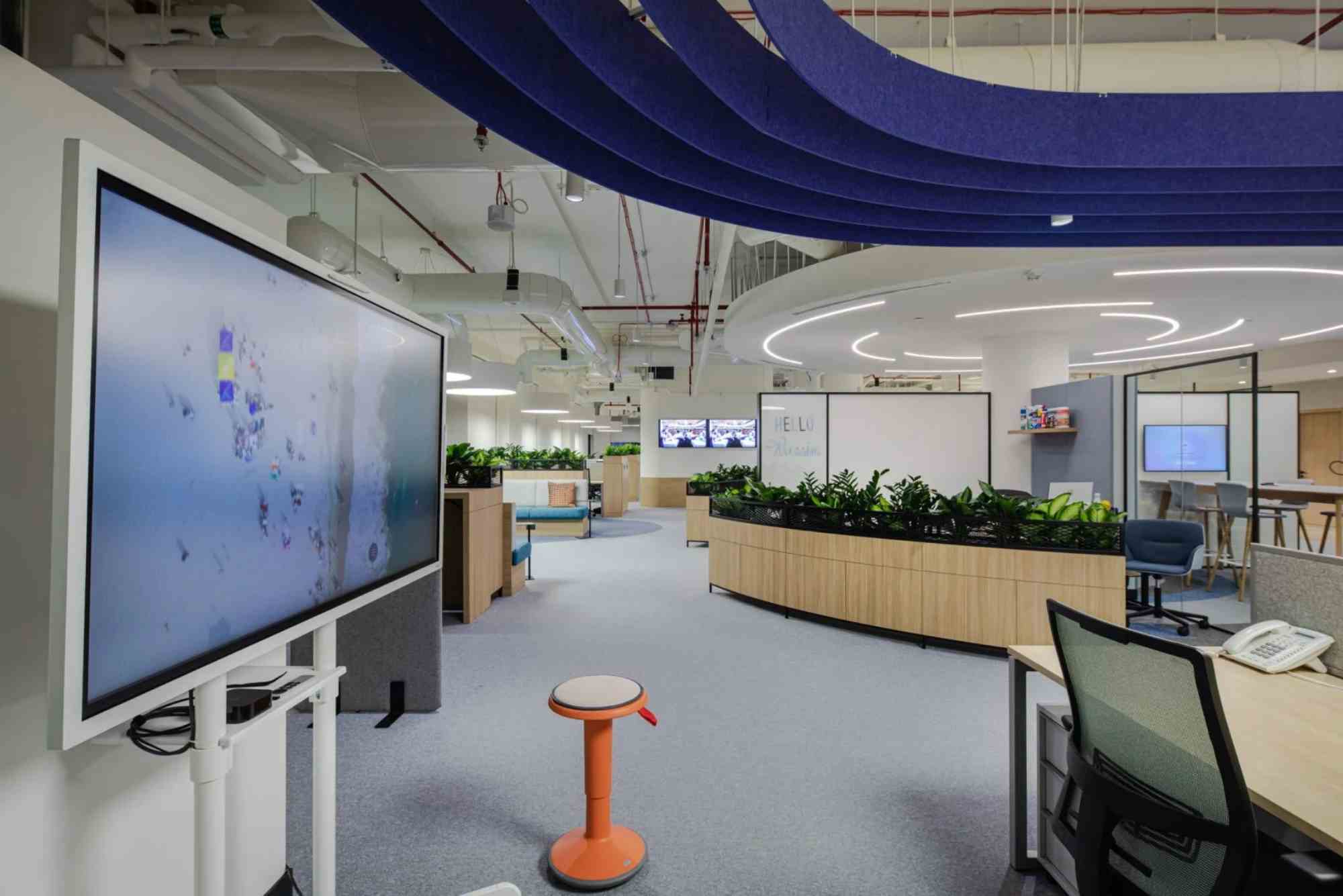
In contrast, modern classrooms emphasize interactive and student-centered learning. Teachers act as facilitators rather than dictators of knowledge. Digital tools such as smartboards, projectors, and tablets are common. Students participate in group projects, discussions, and hands-on activities, making education a two-way process. This shift not only makes learning more engaging but also nurtures critical thinking and problem-solving abilities.
Access to Education: From Exclusivity to Inclusivity
Historically, education was a privilege reserved for the wealthy or powerful. Girls, minorities, and people from lower social classes were often denied access. In many societies, literacy was rare, and only a few could read sacred or official texts. Universities and schools were scarce and catered mostly to elites.

In the present, education has become much more inclusive. Global initiatives and government policies promote free primary and secondary schooling. Higher education, while still expensive in some regions, is accessible to a wider audience through scholarships, online courses, and distance learning. The expansion of education highlights society’s recognition that knowledge is a universal human right, not a luxury.
Curriculum Evolution: Narrow to Multidisciplinary
The curriculum of the past was narrow, focusing primarily on religious studies, philosophy, or practical trade skills. The subjects were limited and often excluded broader cultural or scientific perspectives. Education was less about exploration and more about conformity.
Now, the curriculum is diverse and multidisciplinary. Students study science, technology, literature, arts, and social studies, reflecting the complexity of modern society. Schools also focus on soft skills such as leadership, collaboration, and emotional intelligence. This broader curriculum prepares students for a globalized world where adaptability is as important as technical knowledge.
The Role of Technology: From Quills to Artificial Intelligence
Technology plays a defining role in comparing education then and now. In the past, education depended heavily on oral traditions and handwritten manuscripts. Access to books was limited, and printing was slow and costly. A single teacher might teach dozens of children in one room with minimal resources.
Today, technology revolutionizes every aspect of education. Students have instant access to digital libraries, online courses, and learning apps. Artificial intelligence powers personalized learning, while virtual reality creates immersive experiences. Remote education, once unimaginable, is now a standard option. Technology ensures that learning continues even during crises like the COVID-19 pandemic, which forced schools worldwide to adapt to online models.
Discipline and Student-Teacher Relationships
In earlier times, discipline was strict, often enforced with corporal punishment. The teacher-student relationship was hierarchical, with little room for emotional connection. Students were expected to obey without question, and creativity was sometimes stifled.
In modern classrooms, discipline is less authoritarian and more supportive. Teachers build relationships based on respect and understanding. The emphasis is on encouraging students to take responsibility for their learning. Counseling services, peer support programs, and mental health awareness show how education has become more holistic, addressing both intellectual and emotional growth.
The Social Impact of Education
Education then and now also differs in terms of its societal impact. In the past, education maintained social hierarchies. Only those with access could influence political, cultural, or economic structures. Education was used as a tool of control rather than empowerment.
In contrast, today’s education is seen as a force for equality and progress. By providing access to all, education helps break cycles of poverty and discrimination. It empowers marginalized groups, creates job opportunities, and promotes global citizenship. Modern education plays a central role in building democratic, inclusive, and innovative societies.
Challenges Then and Now
It is easy to idealize modern education, but both past and present systems have challenges. In earlier times, limited access meant most people remained uneducated. Knowledge was restricted, and progress was slow.
Today, challenges include unequal access in some regions, high costs of higher education, and the digital divide. While technology enhances learning, it also creates dependency and distractions. Standardized testing and pressure to perform continue to stress students. Thus, while education now is more advanced, it is not without its own set of difficulties.
Education Then and Now: A Balanced View
When comparing education then and now, it is important to acknowledge both systems’ strengths. The past emphasized discipline, respect, and moral values—qualities that are sometimes lacking in today’s flexible environment. Modern education, however, offers inclusivity, creativity, and technological advancement. A balanced approach that combines traditional values with modern methods could create the most effective system for the future.
The Future of Education
This education then and now essay highlights how far we have come from rigid, exclusive systems to inclusive, innovative, and dynamic models. The evolution reflects broader social changes, technological progress, and a deeper understanding of human potential. Looking forward, education will continue to adapt, incorporating artificial intelligence, global perspectives, and personalized learning paths.
As students, parents, and educators, we must embrace these changes while preserving the values of respect, discipline, and lifelong learning. Education is not just about acquiring knowledge—it is about shaping better individuals and a better world. If you are inspired by this comparison, take a moment to reflect on your own learning journey and support educational initiatives in your community. The future of education depends on the choices we make today.
FAQs
What are the main differences between traditional and modern education?
Traditional education relied on rote learning, strict discipline, and limited access. Modern education is interactive, inclusive, and driven by technology.
Why is modern education considered better?
Modern education emphasizes creativity, inclusivity, and critical thinking, preparing students for diverse challenges in a globalized world.
What can we learn from traditional education?
We can learn discipline, respect for teachers, and the importance of moral values, which are sometimes overlooked today.
How has technology changed education?
Technology has made education more accessible through online courses, digital resources, and interactive tools, transforming learning into a flexible process.
Will education keep changing in the future?
Yes, education will continue to evolve with new technologies, global challenges, and societal needs, making adaptability a key feature of learning.