
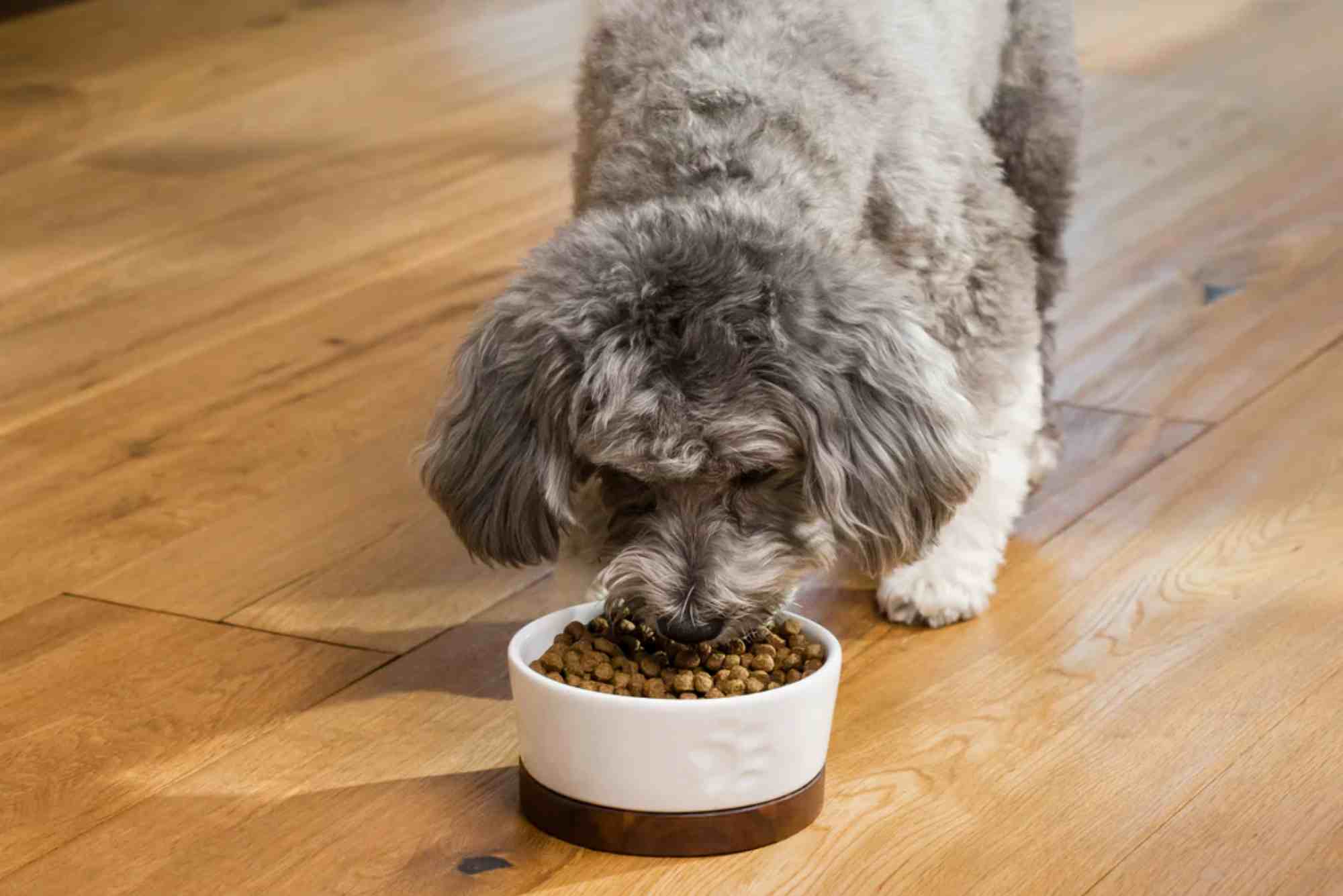
Dog Chow Dog Food Review: Ingredients, Nutrition & Price
Dog owners today want more than just a full belly for their furry friends — they want real nutrition, safe ingredients, and affordable prices. If you’ve been browsing shelves or scrolling through pet food websites, chances are you’ve seen Dog Chow. This budget-friendly brand, produced by Purina, has been a household name for decades. But how does it hold up when you look closely at the ingredients, nutritional profile, and cost-effectiveness?
In this in-depth Dog Chow dog food review, we’ll explore whether it’s a reliable option for your pup or just another name riding on brand legacy. You’ll learn what goes into each bag, how it stacks up nutritionally, and whether it delivers value for the price.
What Is Dog Chow?
Dog Chow is a long-established dog food line created by Purina, one of the largest pet food companies globally. It’s primarily marketed as an affordable, easy-to-find option for everyday feeding. The brand offers a variety of formulas including dry kibble and wet food, as well as specific recipes for puppies, adult dogs, and senior dogs.
It positions itself as a practical choice for dog parents looking for complete and balanced nutrition without the premium price tag. But like any popular product, Dog Chow comes with its fair share of praise and criticism.
Ingredients in Dog Chow Dog Food
Ingredients are where the story begins for any pet food. When we examine Dog Chow, the first thing we notice is the reliance on corn, soy, and meat by-products.
Here’s a closer look at some commonly found ingredients in Dog Chow recipes:

Corn and Whole Grain Corn
Corn is typically the first ingredient in many Dog Chow formulas. While it’s a source of carbohydrates and energy, it’s also a controversial ingredient. Some pet owners prefer grain-free diets, arguing that corn is hard to digest and can trigger allergies. However, others argue that corn provides a digestible energy source for active dogs when processed correctly.
Meat and Bone Meal or Poultry By-Product Meal
Dog Chow uses meat meals instead of whole meats. These are rendered animal parts that may include bones and organs. While these meals offer concentrated protein, the quality is variable depending on the source. These are not necessarily harmful, but they lack the premium appeal of named whole meats like “chicken” or “beef.”
Soybean Meal
Another source of plant protein in Dog Chow, soybean meal helps meet the protein content requirements. However, some dogs may have sensitivities to soy or corn, especially breeds prone to digestive issues or allergies.
Animal Fat Preserved with Mixed-Tocopherols
Fat provides energy and supports skin and coat health. The use of animal fat preserved with mixed-tocopherols (a natural source of vitamin E) is standard and considered safe.
Vitamins and Minerals
Despite the low-cost formula, Dog Chow does include a full vitamin and mineral premix, ensuring basic nutritional balance for your dog’s maintenance needs.
Nutritional Value: Is Dog Chow Balanced?
From a nutritional standpoint, Dog Chow meets AAFCO standards for complete and balanced dog food. This means it contains the required levels of protein, fat, fiber, and essential nutrients.
Let’s break it down with a typical guaranteed analysis of Dog Chow Complete Adult:
- Crude Protein: 21%
- Crude Fat: 10%
- Crude Fiber: 4%
- Moisture: 12%
For an average adult dog, this is adequate, though not exceptional. The protein content is slightly lower than many premium dog foods, which often start around 25%. The fat level is also modest, which might not be ideal for highly active or working dogs but could work for average household pets.
What’s missing is the inclusion of fresh meats, probiotics, omega-3 fatty acids, or glucosamine—beneficial extras you’ll often find in higher-end brands. But again, the price reflects that.
Dog Chow for Puppies and Seniors
Dog Chow offers age-specific formulas:
- Puppy Chow includes DHA for brain and vision development, crucial during early growth stages.
- Senior Dog Chow has adjusted protein and fat ratios to support aging joints and slower metabolisms.
While these are a good step, they still share the same base ingredients as the adult version, including corn and by-products.
Price and Value
One of Dog Chow’s strongest selling points is its affordability. A 32 lb bag of Dog Chow typically retails for around $25–$30, depending on the store and formula. This makes it one of the most budget-friendly options from a major brand.
When compared to brands like Blue Buffalo, Wellness, or Orijen, Dog Chow is significantly cheaper. However, the savings come at the cost of ingredient quality and nutritional enhancements. For families with multiple dogs or those on a tight budget, Dog Chow provides a cost-effective way to feed pets, especially if your dog has no known food sensitivities.
Is Dog Chow Safe for Dogs?
Despite its lower cost and use of by-products, Dog Chow is manufactured under strict quality control by Purina, a company with decades of experience in the pet food industry. It’s also widely available and not part of any major ongoing recalls at the time of writing.
However, some owners report that their dogs experience digestive issues, such as gas or soft stools, when switching to or eating Dog Chow long-term. This is likely due to the high grain content or less digestible protein sources. It’s always best to transition slowly and monitor your dog’s reactions when trying any new food.
Pros and Cons of Dog Chow
Let’s summarize the strengths and weaknesses of Dog Chow based on our full review:
Pros
- Very affordable
- Widely available
- Meets AAFCO nutritional standards
- Includes age-specific formulas
- Produced by a trusted brand (Purina)
Cons
- Uses low-cost fillers like corn and soy
- Relies on meat meals and by-products
- Lacks added probiotics or omega-3s
- Not ideal for dogs with allergies or sensitivities
- Protein content is on the lower end
Real User Experiences
Online reviews for Dog Chow are mixed. On major platforms like Chewy, Walmart, and Amazon, Dog Chow typically has ratings of 4 to 4.5 stars, with thousands of reviews.
Many dog owners note that their pets have eaten Dog Chow for years without issues. Others mention shiny coats and healthy weights. On the other hand, some report picky eaters refusing the food, or mild digestive upsets.
It appears that Dog Chow works well for non-sensitive dogs, especially Dog Chow Dog Food Review those accustomed to grain-based diets, but may not be suitable for dogs with higher nutritional demands or allergies.
Who Should Consider Dog Chow?
Dog Chow may be a good choice if:
- You’re feeding multiple dogs and need a cost-effective option.
- Your dog has no known allergies or digestive problems.
- You’re looking for a well-known brand with a long safety record.
However, if your dog is a picky eater, highly active, or has specific health conditions, you may want to explore higher-quality options with named meats, limited ingredients, or enhanced nutritional support.
Is Dog Chow Worth Buying?
In the world of dog food, Dog Chow sits firmly in the middle of the pack. It’s not the most nutritious option on the market, but it’s also not the worst. It offers a safe, affordable, and accessible choice for pet parents who want to provide basic nutrition without straining their budget. If your dog has no special dietary needs and you want a convenient option from a trusted company, Dog Chow might be just fine. But if you’re seeking top-tier ingredients or advanced health benefits, you’ll likely find better value in more premium brands.
Before switching your dog’s food, always consult your veterinarian — especially if your pet has health issues. Want to explore other options beyond Dog Chow? Check out our comparison guides and expert reviews on the best dog foods for sensitive stomachs, allergies, and more. Your dog deserves the best — and so do you.
FAQs
Is Dog Chow a good dog food brand?
Dog Chow is considered an average dog food brand. It’s not premium, but it meets basic standards and is made by a reputable company, Purina.
Does Dog Chow have any recalls?
As of now, Dog Chow is not affected by any recent recalls. Purina maintains solid manufacturing practices and traceability.
Can I feed Dog Chow to my puppy?
Yes, Purina offers Puppy Chow specifically formulated with DHA for puppies. However, it still contains corn and by-products.
What’s better: Purina Dog Chow or Beneful?
Both are Purina products with similar ingredients. Beneful may have more variety in flavor and texture, but the nutritional profiles are comparable.
Why is corn used in Dog Chow?
Corn is a cost-effective source of energy. While not inherently harmful, some owners avoid it due to allergy concerns or personal preference for grain-free diets.
Is Dog Chow good for large breed dogs?
Dog Chow can be fed to large breed dogs, but it may lack joint support ingredients like glucosamine and chondroitin. Consider supplementing or choosing a formula designed for large breeds.
Does Dog Chow cause allergies?
It can trigger allergies in dogs sensitive to corn, soy, or by-products. If your dog has recurring itchiness or digestive issues, consider switching to a limited-ingredient or grain-free food.