
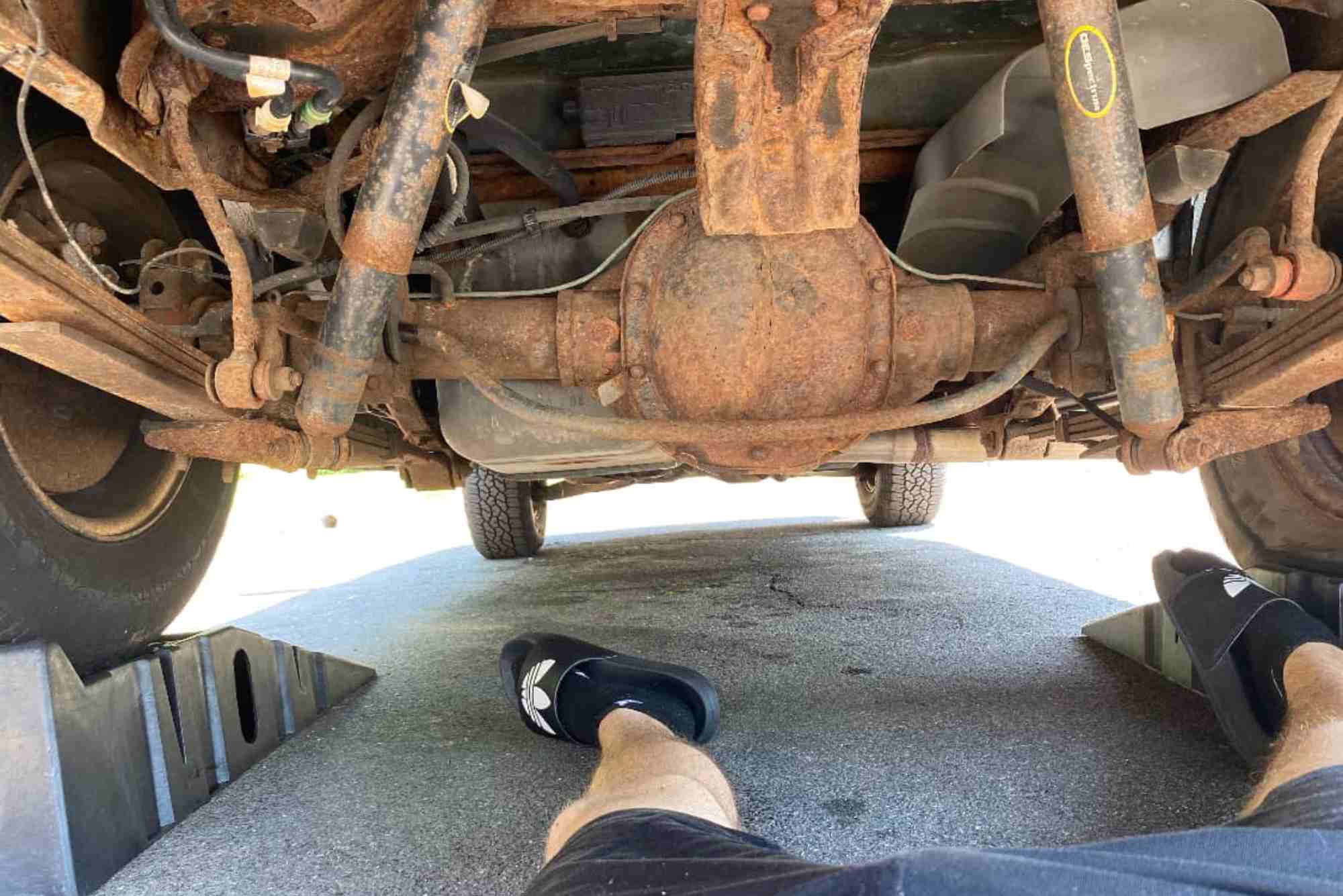
Does Insurance Cover a Broken Axle? Common Scenarios
When your car’s axle breaks, it can feel like a nightmare. The axle is one of the most important parts of your vehicle, and without it, your car simply won’t move. Repairing or replacing a broken axle can cost hundreds or even thousands of dollars depending on your vehicle type and damage severity. Naturally, most drivers ask the same question: does insurance cover a broken axle? The answer depends on the cause of the damage and the type of auto insurance you have.
Understanding What a Broken Axle Means
A car’s axle connects the wheels to the transmission, transferring power that makes the wheels turn. It also supports the vehicle’s weight. If your axle breaks, your car becomes unsafe to drive and could suffer further damage if forced to move.
Axles can break for several reasons: hitting a pothole, getting into a collision, excessive wear and tear, or even manufacturing defects. The cause of the damage plays a major role in whether your insurance company will cover the repair costs.
When Does Insurance Cover a Broken Axle?
Insurance coverage for a broken axle depends on the circumstances that led to the damage. Let’s explore the most common situations where your insurance might or might not cover it.
Collision Coverage
If your axle breaks because of a collision—such as hitting another car, a pole, a curb, or a large pothole—collision coverage usually applies. Collision insurance pays for damage to your car caused by impact-related accidents, regardless of fault.
For example, if you slide on ice and hit a curb, breaking your axle, your collision coverage would typically pay for the repairs after you meet your deductible. This is the most direct way insurance can help cover a broken axle.

Comprehensive Coverage
If your axle is damaged due to a non-collision event, comprehensive coverage may help. Comprehensive insurance covers damage caused by incidents other than crashes. Examples include falling objects, floods, fire, or even vandalism.
For instance, if a fallen tree hits your car and breaks the axle, your comprehensive policy will likely cover it. Similarly, damage from natural disasters such as floods or earthquakes may also be covered if you have comprehensive insurance.
Mechanical Breakdown Insurance (MBI)
Standard car insurance doesn’t usually cover mechanical failure from wear and tear, but some insurers offer mechanical breakdown insurance as an add-on. This type of coverage helps pay for repairs when parts like your axle fail due to internal damage or age-related issues.
However, MBI isn’t available from all insurers and usually applies to newer vehicles. If your axle breaks because of a manufacturing defect or normal wear, standard insurance won’t cover it—but MBI or an extended warranty might.
When Insurance Won’t Cover a Broken Axle
While it’s comforting to know there are situations where insurance does pay for a broken axle, there are also several cases where it won’t. Understanding these exclusions helps you avoid surprises during a claim.
Wear and Tear
If your axle simply wears out over time due to age or lack of maintenance, insurance won’t cover it. Regular vehicle maintenance is considered the owner’s responsibility. Damage from corrosion, rust, or long-term use is classified as mechanical failure, not an insurable event.
Negligence or Improper Maintenance
If the axle breaks because you ignored warning signs—such as strange noises, vibrations, or leaking grease—your insurer can deny the claim. Failing to maintain your car or continuing to drive with known issues may be seen as negligence.
Racing or Off-Road Damage
Insurance companies typically exclude coverage for vehicles used in races or off-road driving. If your axle breaks while racing or off-roading, the repair cost will likely come out of your pocket.
Intentional Damage or Fraud
If an insurer suspects that the axle was deliberately damaged or that the claim is fraudulent, they will deny it. Always provide honest and accurate information when filing your claim.
How to File an Insurance Claim for a Broken Axle
If your axle broke due to an accident or covered event, filing a claim correctly increases your chances of getting approved quickly. Here’s what you should do:
Assess the Damage and Stay Safe
If your car is immobile or unsafe to drive, move it to a safe location or call for roadside assistance. Avoid driving a car with a broken axle—it can cause further mechanical damage or even an accident.
Document Everything
Take clear photos of the damage, the scene of the accident, and any contributing factors (like potholes or collision marks). Documentation strengthens your claim and provides evidence for your insurer.
Contact Your Insurance Company
Report the incident as soon as possible. Most insurers offer 24/7 claim hotlines or mobile apps where you can submit details. Provide all the requested information honestly and include supporting photos.
Get a Repair Estimate
Your insurer will usually direct you to an approved repair shop for inspection. The mechanic will determine whether the axle damage was caused by a covered event. Based on their report, your insurance adjuster will estimate repair costs.
Pay Your Deductible
Once your claim is approved, you’ll need to pay your deductible. The insurer then covers the remaining cost of the repair or replacement.
How Much Does It Cost to Replace a Broken Axle?
Axle repair or replacement costs can vary significantly depending on your vehicle’s make and model. On average, a broken axle repair may cost between $500 and $1,500. For luxury or four-wheel-drive vehicles, the cost can exceed $2,000 due to more complex parts.
If your insurance covers the damage, you’ll only need to pay your deductible—often between $250 and $1,000 depending on your policy. However, if the damage isn’t covered, the full repair cost will be your responsibility.
How to Prevent Axle Damage
Preventive care goes a long way in avoiding expensive repairs. Here are a few tips to keep your car’s axle in good condition:
- Avoid hitting curbs and deep potholes.
- Don’t overload your vehicle.
- Get your suspension and alignment checked regularly.
- Replace worn CV joints or boots promptly.
- Listen for clunking sounds or unusual vibrations and address them early.
Routine maintenance may not be exciting, but it’s cheaper than replacing an axle.
Protect Yourself with the Right Coverage
Does insurance Cover Broken Axle can cause more than just car trouble—it can strain your wallet if you’re not properly insured. Whether or not insurance covers a broken axle depends largely on the type of policy you have and what caused the damage. Collision coverage handles accidents and potholes, while comprehensive coverage protects against non-collision incidents like fallen objects or floods. Mechanical wear and tear, however, remains your responsibility.
To stay prepared, review your insurance policy today and make sure you have the right level of protection. If you’re unsure, contact your insurance agent to discuss adding collision or comprehensive coverage. The right policy can save you thousands in unexpected repair costs and give you peace of mind every time you hit the road. Don’t wait until it’s too late—review your auto insurance today to ensure you’re covered for a broken axle and other costly damages. A few minutes now could save you thousands later.
FAQs
Does insurance cover a broken axle from hitting a pothole?
Yes, if you have collision coverage, your insurance will likely cover damage caused by hitting a pothole, including a broken axle.
Will liability insurance cover a broken axle?
No. Liability insurance only covers damage you cause to others—not your own car. You’ll need collision or comprehensive coverage for your axle damage.
Can I drive with a broken axle?
No, driving with a broken axle is extremely unsafe. It can cause loss of control and more severe damage. Always get it towed to a repair shop.
Is a broken axle considered total loss?
Usually not. But if the axle damage is part of a severe accident and repair costs exceed your car’s value, your insurer might declare it a total loss.
Does full coverage insurance cover a broken axle?
Yes, full coverage typically includes both collision and comprehensive coverage. So, if your axle breaks due to an accident, natural disaster, or other covered event, it should be covered.
How long does it take to fix a broken axle?
Depending on parts availability and the severity of the damage, repairs can take from a few hours to a couple of days.