
Decorative Concrete Ideas That Will Transform Any Space
Decorative concrete is no longer just a practical solution for sidewalks or driveways—it’s become a stylish and durable material that can completely transform any space. From polished indoor floors to textured patios, the artistic possibilities are nearly endless. With the growing popularity of decorative concrete, more homeowners and designers are searching for inspiration through decorative concrete images to spark their creativity. This article explores innovative decorative concrete ideas that will elevate the look and feel of your home or commercial space, offering inspiration and practical insights along the way.
Whether you’re looking to upgrade a backyard patio, renovate your kitchen floor, or design a striking commercial entryway, decorative concrete offers strength, versatility, and aesthetic appeal. With textures, colors, and finishes to choose from, it’s easy to tailor your space to your personal taste while maintaining functionality and low maintenance.
Why Decorative Concrete Is Gaining Popularity
Decorative concrete is more than just an industrial material; it’s a design element. Its ability to imitate high-end materials such as stone, tile, brick, and even wood makes it a cost-effective alternative. Property owners appreciate its durability, especially in high-traffic areas. Decorative concrete doesn’t warp, rot, or stain easily, and with proper sealing, it resists moisture and cracking.
Another reason decorative concrete is thriving is its adaptability to various environments. From rustic outdoor patios to sleek modern interiors, concrete can be stamped, stained, polished, or molded to suit the mood of the space. Images of decorative concrete projects shared online have further driven its popularity, giving people real-life visual examples of what’s possible.
Stunning Indoor Decorative Concrete Ideas
Polished Concrete Floors
Polished concrete has surged in modern interior design due to its sleek appearance and reflective surface. Ideal for living rooms, kitchens, and even bathrooms, polished concrete offers a contemporary, minimalistic look. It can be tinted with dyes to match your décor and delivers a glossy, clean finish that rivals natural stone. Decorative concrete images of polished floors often showcase their seamless transitions between rooms and their ability to reflect natural light beautifully.
Stained Concrete for Warmth and Texture
Stained concrete allows for rich tones and nuanced color variations. Acid stains penetrate the concrete surface to create a natural marbling effect, perfect for spaces that want to avoid the cold, industrial feel of untreated concrete. Water-based stains offer brighter, more uniform colors. Whether you’re aiming for earthy tones in a rustic home or bold hues in a creative space, stained concrete provides the flexibility you need.

Decorative Concrete Countertops
Yes, concrete can be used on kitchen and bathroom countertops, too. With the right mix, reinforcement, and sealing, concrete countertops are incredibly strong and stylish. They can be embedded with stones, shells, or even fiber-optic lights for dramatic flair. Decorative concrete images of countertops highlight the wide range of customizations available—from edge profiles to inlays and textures.
Engraved or Etched Designs
Engraving adds another level of personalization to interior concrete. After the concrete sets, designs can be etched into the surface using tools or acid techniques. You can replicate natural patterns, geometric shapes, or even artistic motifs. These techniques are popular in lobbies, hallways, or any space where you want to create a visual centerpiece.
Transforming Outdoor Spaces with Decorative Concrete
Stamped Concrete Patios
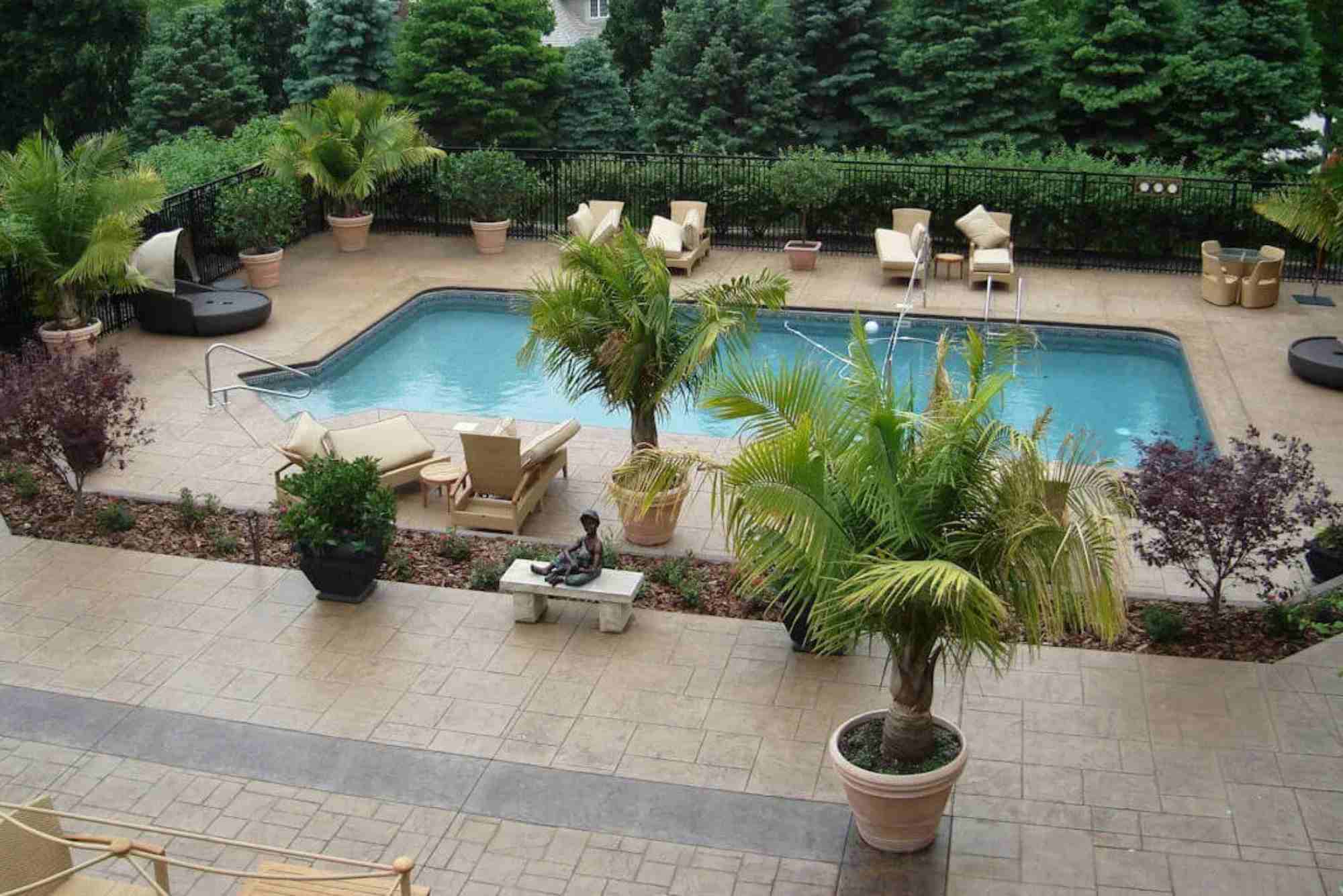
Stamped concrete can mimic the appearance of brick, slate, cobblestone, or wood planks without the need for mortar or individual materials. It’s a favorite for patios, pool decks, and walkways because it blends well with natural surroundings while being much easier to maintain. Browse any collection of decorative concrete images, and you’ll find stamped patios in various colors and patterns that rival luxury paving stones.
Exposed Aggregate for a Natural Look
Exposed aggregate is achieved by removing the top layer of cement paste to reveal the colorful stones beneath. This technique is popular for driveways, pathways, and pool decks due to its slip-resistant surface. The raw, organic look of exposed aggregate adds texture and depth to outdoor spaces.
Concrete Pavers and Tiles
Rather than pouring concrete in place, precast concrete pavers allow for even more design flexibility. They come in a wide variety of sizes, shapes, and colors and can be arranged in intricate patterns. They’re especially practical in climates with freeze-thaw cycles, as individual pavers can be replaced without disturbing the entire surface.
Vertical Concrete for Walls and Fireplaces
Decorative concrete isn’t just for floors. Vertical applications allow you to create stone-look retaining walls, water features, or even faux wood siding. These are particularly popular in outdoor kitchens, entertainment areas, or as surrounds for fire pits and fireplaces. Concrete molds and hand-sculpting techniques give you endless creative freedom.
Tips for Choosing the Right Decorative Concrete Style
When planning your project, looking at decorative concrete images can help you narrow down your choices. However, it’s important to consider function as well as form. For example, while polished concrete is perfect for indoor spaces, it might be slippery outdoors. Textured finishes such as broomed, exposed aggregate, or stamped designs provide traction for outdoor surfaces.
Color selection should match the architectural style and surrounding elements. Earth tones work well in natural settings, while bold or metallic finishes might suit modern spaces. Finally, don’t overlook sealants. They protect your investment from moisture, UV rays, and stains, keeping your decorative concrete looking beautiful for years to come.
Maintenance and Longevity of Decorative Concrete
One of the biggest advantages of decorative concrete is its durability. It requires far less maintenance than wood or tile and can last decades if properly cared for. Cleaning involves simple sweeping and occasional mopping. For outdoor areas, power washing once or twice a year usually suffices.
Sealing should be done every few years, depending on the traffic and weather exposure. This maintains the color vibrancy and surface protection. Most homeowners find that decorative concrete requires less upkeep than expected, making it a smart investment.
Real-World Inspiration from Decorative Concrete Images
There’s no shortage of inspiration online when it comes to decorative concrete. From Pinterest boards to professional portfolios, decorative concrete images showcase both subtle enhancements and bold transformations. Seeing real examples helps you visualize how a specific pattern, color, or finish might work in your own space. Whether you’re hiring a contractor or tackling a DIY project, starting with high-quality images is essential.
Many designers and contractors now offer 3D renderings based on decorative concrete images to give clients a realistic preview before the work begins. This ensures alignment on style, color, and layout—leading to fewer surprises and greater satisfaction with the final result.
Environmental Benefits of Decorative Concrete
Aside from being beautiful and functional, decorative concrete is also environmentally friendly. Since most concrete uses locally sourced materials, it has a lower transportation footprint than other materials. Additionally, its thermal mass helps stabilize indoor temperatures, reducing energy costs.
Using decorative overlays instead of replacing entire slabs also reduces waste. And because it’s long-lasting, it doesn’t need to be replaced frequently, further minimizing environmental impact.
Unlock the Potential of Your Space
Decorative concrete is a powerful design tool that can completely transform both indoor and outdoor environments. Whether you’re aiming for modern minimalism, rustic charm, or luxurious sophistication, there’s a decorative concrete option for you. From browsing decorative concrete images to planning your custom project, the journey is filled with creative possibilities.
If you’re ready to upgrade your space with beauty, function, and longevity, don’t wait. Explore local experts, gather inspiration, and start planning today. Decorative concrete is not just a trend—it’s a lasting investment in style and substance.
FAQs
What is the most popular type of decorative concrete?
Stamped concrete remains one of the most popular choices due to its versatility, affordability, and aesthetic appeal. It can mimic brick, slate, and other high-end finishes.
How long does decorative concrete last?
With proper installation and maintenance, decorative concrete can last 30 years or more. Regular sealing extends its life and preserves its appearance.
Can decorative concrete be used in cold climates?
Yes, but it’s important to choose the right finish and sealer. Freeze-thaw resistant mixes and proper sealing can help prevent cracks and surface damage.
Is decorative concrete slippery?
Some finishes can be slick when wet, especially polished concrete. However, adding texture or non-slip additives to sealers improves traction significantly.
How much does decorative concrete cost?
Costs vary by region and complexity but typically range from $8 to $18 per square foot. Intricate designs or overlays can be higher, while simple staining is more affordable.