
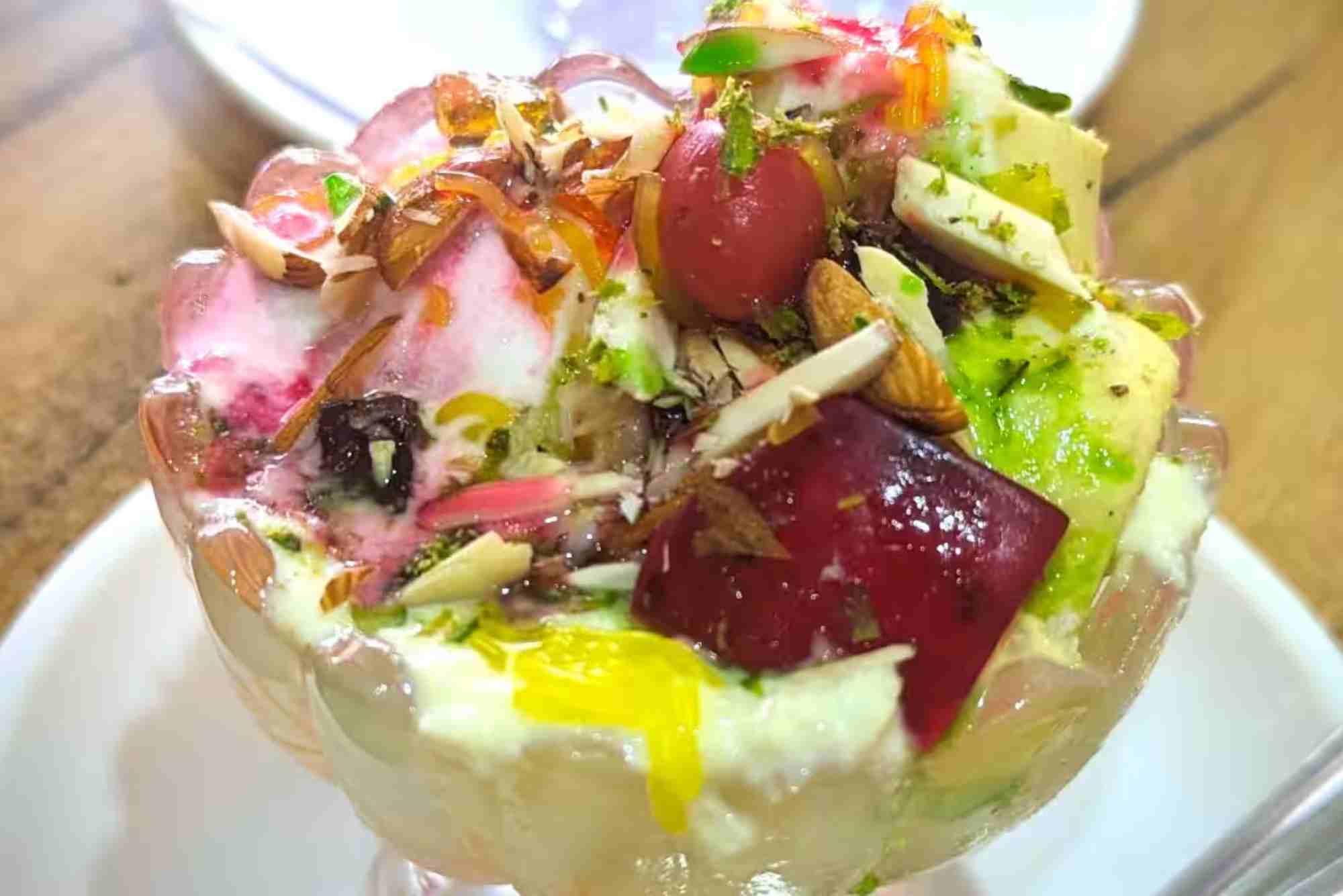
What Does Decadent Mean in Food Terms? Explained with Examples
In the world of culinary expression, the word “decadent” often appears in menus, food blogs, and advertisements. But what does decadent mean in food terms? Is it just another fancy word, or does it carry deeper meaning related to texture, taste, and indulgence? At its core, decadent in the context of food refers to rich, luxurious, and indulgent flavors or dishes that often go beyond what is necessary or healthy—but in the most delightful way possible. Whether it’s a dark chocolate torte, a buttery lobster risotto, or a creamy three-cheese pasta, decadent food is about treating yourself to something extravagant.
The Origin of the Word “Decadent”
The word decadent comes from the Latin decadere, meaning “to fall down” or “decay.” Originally, it had a negative connotation, used to describe moral or cultural decline due to excessive luxury or indulgence.
Over time, especially in literature and art, decadent began to be used in a more positive light, reflecting opulence, richness, and lavishness. In food, this evolution continued. Today, calling a dessert or dish “decadent” is a compliment, suggesting it is richly satisfying and perhaps even a little bit sinful in the best way.
What Makes Food “Decadent”?
Not every rich dish qualifies as decadent. For food to be considered truly decadent, it often includes a combination of sensory richness, visual appeal, and emotional indulgence. Here are the elements that contribute to the decadent meaning in food:
Rich Ingredients
Decadent foods typically contain ingredients known for their indulgent quality. Think cream, butter, chocolate, caramel, truffle oil, foie gras, or rich cheeses. These elements provide a luxurious mouthfeel and flavor.
Intensity of Flavor
Decadent dishes are not subtle. They often have bold, deep flavors that linger. A flourless chocolate cake or a velvety lobster bisque might overwhelm your palate—in the most delightful way.

Texture and Presentation
Texture matters. A decadent food may be creamy, velvety, gooey, or dense. These textures enhance the sense of luxury. Presentation also plays a role. A gold-dusted dessert or a plated dish with artistic flair adds to the decadent experience.
Emotional Satisfaction
Decadent food is often tied to emotional gratification. It’s not about nourishment but about pleasure, celebration, or reward. When someone says “This dessert is so decadent,” they’re also expressing how it made them feel.
Examples of Decadent Foods
To further understand the decadent meaning in food, here are some popular examples across categories:
Chocolate Desserts
Chocolate is one of the most commonly associated ingredients with decadence. A molten lava cake, with its rich, flowing center, or a triple-layer fudge brownie with ganache frosting are prime examples.
Rich Pasta Dishes
A four-cheese truffle mac and cheese or a creamy carbonara with pancetta screams decadence. These dishes rely heavily on butter, cream, and cheeses that melt together into a velvety richness.
Gourmet Meats and Seafood
Decadent savory dishes often include filet mignon with béarnaise sauce, duck confit, or buttery lobster tails. The ingredients are luxurious, the preparations meticulous, and the results unforgettable.
Bakery and Pastry
In baked goods, think of a croissant filled with hazelnut praline, or an opera cake with layers of coffee buttercream, ganache, and almond sponge. Each bite is a journey in richness.
Decadent Beverages
A rich hot chocolate topped with whipped cream and shaved chocolate, or a white chocolate mocha with caramel drizzle—even drinks can carry the label of decadence when they are indulgent and comforting.
Is Decadent Food Always Unhealthy?
Not necessarily, but often it leans in that direction due to high fat, sugar, or calorie content. That’s why decadent foods are usually considered a “treat” rather than everyday fare.
However, it’s important to note that decadence is about perception as much as composition. A perfectly ripe mango served with coconut cream might be considered decadent by someone who finds joy in tropical fruits. Health-conscious versions of decadent foods are also becoming popular, such as vegan chocolate mousse made from avocado or cashew-based cheesecakes that offer richness without dairy.
Why Do We Love Decadent Food?
The appeal of decadent food goes beyond taste. It taps into psychological reward systems, cultural associations, and even nostalgia. We associate rich, indulgent foods with celebration, comfort, romance, and self-care.
Decadent meals also serve a social function. Sharing an over-the-top dessert with friends or ordering a lavish dish on a date night adds to the sense of occasion. It’s food as an experience, not just sustenance.
When to Use the Word “Decadent”
If you’re writing a menu, blog, or food review, the word “decadent” should be used when the food delivers on intensity, richness, and indulgence. For example:
- “Try our decadent chocolate mousse made with Belgian dark chocolate.”
- “This creamy lobster risotto is the very definition of decadent.”
- “For a truly decadent breakfast, order the stuffed French toast with cream cheese and berry compote.”
But avoid overusing it. If every dish on your menu is labeled decadent, the word loses its punch.
How to Create Decadent Dishes at Home
You don’t have to be a chef to enjoy or create decadent food. Here are some ways to bring that indulgence to your home cooking:
Use Quality Ingredients
Start with the best ingredients you can find. Rich butter, high-quality chocolate, and fresh cream make all the difference.
Focus on Texture
Creaminess, silkiness, crispiness—these textures make food feel luxurious. Whether it’s a whipped mousse or a seared steak, texture contributes to decadence.
Don’t Overcomplicate
Decadence doesn’t mean complicated. A simple chocolate ganache over a warm brownie can be more decadent than a ten-layer cake if it delivers bold, rich satisfaction.
Serve with Style
Presentation enhances the experience. A dusting of cocoa powder, a drizzle of sauce, or an elegant plate can elevate the entire dish.
Is “Decadent” Just a Marketing Term?
While the word “decadent” is indeed popular in marketing, it’s not meaningless. In fact, it’s a powerful sensory descriptor that helps consumers anticipate what to expect. When used correctly, it sets a tone of indulgence and elevates expectations. Marketers use it because it works. The promise of a decadent experience creates desire, taps into emotion, and suggests luxury—qualities that sell food effectively.
However, savvy consumers know the difference between truly decadent and falsely advertised. A dry cupcake with bland frosting doesn’t deserve the word, no matter how fancy the label.
The True Decadent Meaning in Food
To summarize, decadent meaning food is about more than richness—it’s about experience. It’s the feeling of indulgence, the richness of flavor, and the joy of treating yourself to something special. Whether it’s a gourmet dessert or a rich pasta dish, decadent food has the power to elevate ordinary moments into memorable ones.
That doesn’t mean you have to indulge daily. In fact, the magic of decadent food often lies in its rarity. When enjoyed mindfully, decadent dishes can be a source of pleasure, celebration, and comfort. Ready to explore decadence? Try crafting your own rich recipe at home or treat yourself to something indulgent on your next dining out experience. Just remember: decadence is not just what’s on the plate—it’s how it makes you feel.
FAQ
What does decadent dessert mean?
A decadent dessert refers to a rich, indulgent, and often over-the-top sweet dish. It usually features luxurious ingredients like chocolate, cream, caramel, or nuts and is designed to offer intense satisfaction.
Is decadent food always sweet?
No. While many associate decadence with desserts, savory dishes can be decadent too. Creamy pasta, foie gras, or a rich meat stew can all be considered decadent.
Can healthy food be decadent?
Yes. Decadence is about indulgence, not just calories. Foods like dark chocolate avocado mousse or cashew cream pasta can feel decadent while being nutritious.
Why is chocolate called decadent?
Chocolate, especially dark or high-quality varieties, has a deep, complex flavor and smooth texture that feel indulgent and luxurious, making it a prime example of decadence in food.
What is the opposite of decadent food?
The opposite would be simple, clean, or minimalist food—often light, healthy, or unprocessed. Think steamed vegetables, grilled chicken, or fresh salads.