Dalma Food: A Traditional Dish Loved in the Gulf
Dalma food is more than just a meal; it’s a rich cultural experience cherished across the Gulf region, particularly in Oman and neighboring countries. This traditional stew, brimming with hearty ingredients and aromatic spices, represents centuries of culinary heritage passed down through generations. For those who savor authentic Gulf flavors, dalma food holds a special place on the dining table — comforting, nourishing, and deeply satisfying.
What is Dalma Food?
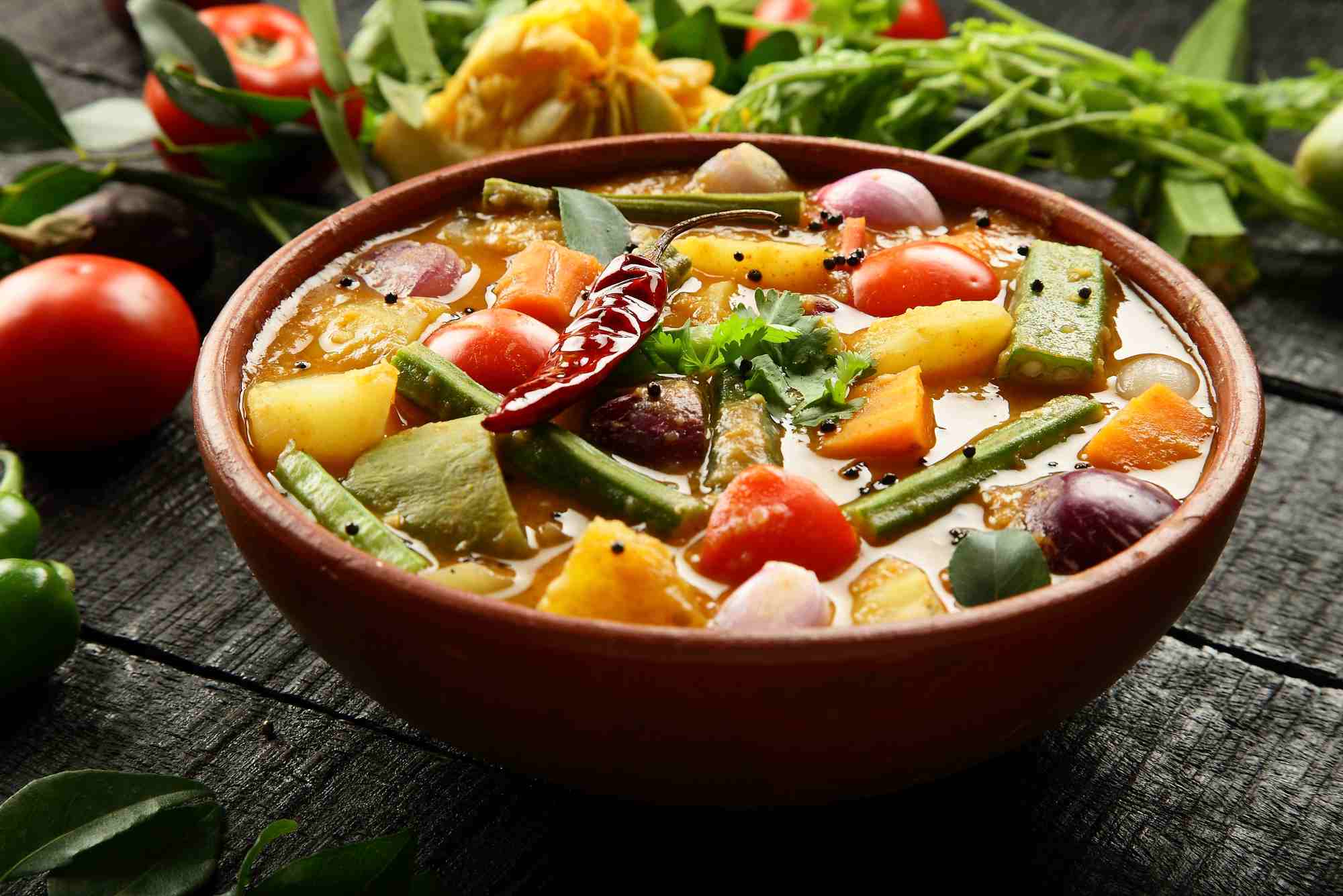
Dalma is a traditional meat and vegetable stew, typically made with lamb or beef, combined with a variety of vegetables such as pumpkin, potatoes, and green beans. The dish is slow-cooked with fragrant spices and dried legumes, creating a perfect blend of textures and flavors. It’s often enjoyed during family gatherings, festive occasions, or as a daily staple in Omani households.
Unlike other Middle Eastern stews, dalma food uniquely balances richness and freshness. The tender meat absorbs the essence of spices like cumin, coriander, and turmeric, while the vegetables add subtle sweetness and heartiness. This makes dalma a wholesome meal loved by people of all ages.
Origins and Cultural Significance of Dalma
Dalma food traces its origins back to Oman, where it reflects the country’s rich agricultural traditions and Bedouin lifestyle. Historically, Omani families depended on locally grown vegetables and livestock, making dalma an accessible and nutritious dish. It embodies the spirit of hospitality and family unity, often served during communal meals where everyone gathers around a large platter.
In Gulf culture, sharing dalma signifies warmth and generosity. It’s a dish that brings people together, symbolizing the values of cooperation and mutual respect. Dalma also features prominently during celebrations such as Eid and weddings, marking important social and religious moments.
Ingredients That Make Dalma Unique
The magic of dalma food lies in its carefully chosen ingredients, which reflect the bounty of the Gulf’s land and seas.

The Meat
Traditionally, dalma uses lamb, prized for its tender texture and rich flavor. However, beef is sometimes used as an alternative depending on availability and personal preference. The meat is usually cut into chunks and browned to seal in the juices before simmering.
Vegetables
A distinctive feature of dalma is its mix of fresh vegetables. Pumpkin or butternut squash is almost always included, adding a natural sweetness and smooth texture. Potatoes, green beans, and sometimes carrots or eggplants enrich the stew with diverse flavors and nutrients.
Legumes
Dalma often incorporates dried legumes like chickpeas or lentils. These legumes not only boost the protein content but also contribute to the stew’s thick consistency. They are soaked beforehand to soften and cook evenly with the meat and vegetables.
Spices and Herbs
Spices in dalma are subtle yet essential. Ground cumin, coriander, turmeric, black pepper, and sometimes cinnamon create a warm, earthy aroma. Garlic and onions build the stew’s foundational flavor. Some recipes include dried lime or dried lemon (loomi) to add a tangy, slightly bitter note that balances the dish.
Cooking Liquid
Water or homemade broth is typically used for simmering. The slow cooking process allows the flavors to meld beautifully, producing a stew that is both hearty and aromatic.
How Dalma Food is Prepared: A Step-by-Step Overview
Cooking dalma food requires patience and care, which contributes to its rich taste. First, the meat is cleaned and cut into medium-sized pieces. It’s then sautéed with onions and garlic until browned, which seals in flavor. Next, spices are added to toast lightly, releasing their fragrances.
Afterward, soaked legumes are combined with the meat, followed by chopped vegetables such as pumpkin and potatoes. Water or broth is poured in, covering the ingredients. The pot is covered and left to simmer gently for several hours, allowing the meat to become tender and the vegetables to cook through. Stirring occasionally, the cook checks for seasoning, adjusting salt and spices as needed. The final product is a thick, savory stew that is served hot, often accompanied by traditional Omani bread or rice.
Dalma Food’s Place in Gulf Cuisine
Dalma holds a significant position in Gulf cuisine, especially in Oman, where it is regarded as a national dish. Its preparation and consumption emphasize communal eating, a cherished cultural practice in the region. Many Gulf families prepare dalma on weekends or special occasions, reinforcing familial bonds.
Compared to other Gulf dishes like machboos or harees, dalma stands out for its rich vegetable content and legume inclusion. This makes it not only flavorful but also highly nutritious. Dalma also adapts well to modern tastes, with some households adding subtle variations such as different spices or vegetables, reflecting the evolving culinary landscape.
Nutritional Benefits of Dalma Food
Dalma food is a nutritional powerhouse. The combination of meat, vegetables, and legumes provides a balanced source of protein, fiber, vitamins, and minerals.
The meat supplies essential amino acids and iron, crucial for energy and immune function. Vegetables like pumpkin and potatoes add vitamin A, C, potassium, and antioxidants. Legumes offer fiber, promoting digestive health and sustained energy release. This stew is also naturally low in unhealthy fats if lean cuts of meat are used. Its slow-cooking method preserves nutrients better than high-heat techniques, making dalma both wholesome and delicious.
Why Dalma Food Continues to Be Popular Today
Despite the rise of fast food and global cuisines, dalma food remains beloved in the Gulf for several reasons. Its rich flavor and comforting texture appeal to people seeking traditional tastes. The dish’s social aspect — sharing a big pot of dalma with family — keeps the cultural heritage alive.
Moreover, dalma’s adaptability makes it accessible to modern lifestyles. Whether cooked in a traditional clay pot or a modern slow cooker, the essential elements remain the same. It’s a dish that connects the past with the present, honoring tradition while welcoming innovation.
Tips for Enjoying Dalma Food Authentically
To truly appreciate dalma food, consider these tips:
- Use fresh, high-quality ingredients, especially meat and vegetables.
- Allow enough time for slow cooking to develop deep flavors.
- Serve dalma with traditional flatbreads or fragrant rice for a complete meal.
- Pair the dish with fresh salads or pickled vegetables to balance the richness.
- Embrace the communal dining experience by sharing dalma with family and friends.
Experience the Heart of Gulf Cuisine with Dalma Food
Dalma food is a timeless culinary treasure of the Gulf, representing warmth, tradition, and wholesome flavors. Its blend of tender meat, fresh vegetables, and aromatic spices makes it an unforgettable dish that nourishes both body and soul. Whether you are a foodie eager to explore Gulf cuisine or someone with roots in the region, dalma invites you to savor the rich heritage of Omani cooking.
Try preparing dalma food at home or visit an authentic Gulf restaurant to taste this beloved stew firsthand. Share the experience with loved ones and keep the spirit of tradition alive through every delicious bite.
Frequently Asked Questions
What is dalma food made of?
Dalma is a traditional stew made from lamb or beef, mixed with vegetables like pumpkin, potatoes, and green beans, along with dried legumes and aromatic spices.
How long does it take to cook dalma?
Dalma usually requires slow cooking for 2 to 3 hours to ensure the meat is tender and the flavors fully develop.
Is dalma food healthy?
Yes, dalma is nutritious as it combines protein-rich meat with fiber-packed vegetables and legumes, offering a balanced meal.
Can dalma be made without meat?
While traditionally made with meat, dalma can be adapted into a vegetarian version using extra vegetables and legumes for protein.
What dishes are commonly served with dalma?
Dalma is often served with traditional flatbreads, rice, or fresh salads to complement its rich flavor.
Where is dalma food most popular?
Dalma is most popular in Oman and other Gulf countries, where it is considered a national dish and cultural staple.