
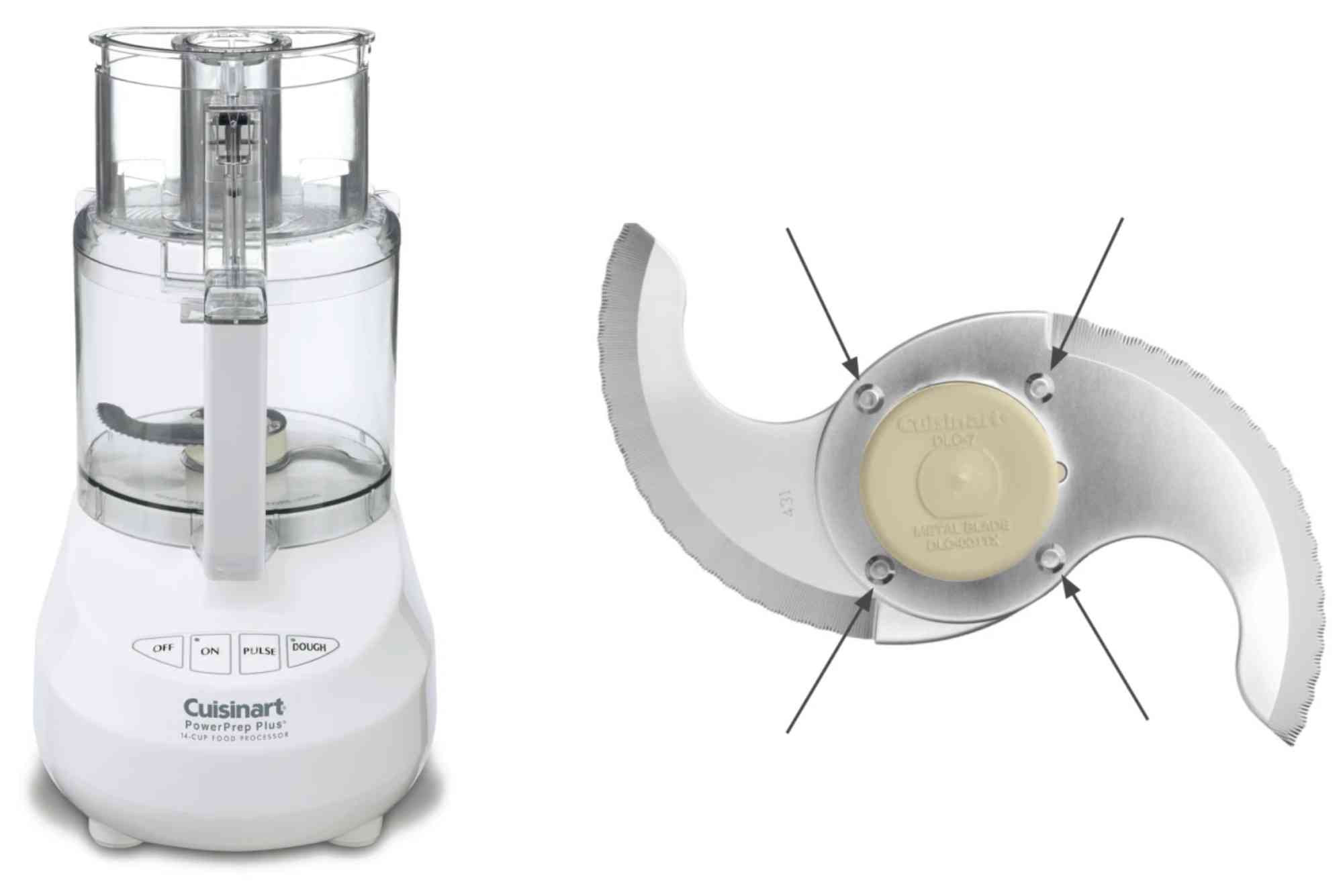
Cuisinart Dough Blade Review – Is It Worth It for Your Food Processor?
If you’ve ever tried making dough in a food processor, you know it can be a game changer—or a disaster. The right blade makes all the difference, and for many home bakers, that brings up a common question: is the Cuisinart food processor dough blade worth using?
In this comprehensive review, we’ll break down what the dough blade does, how it compares to the metal blade, and whether it lives up to the promise of perfect pizza, bread, and pastry dough. Whether you’re kneading once a week or diving deep into sourdough daily, this guide will help you decide if this attachment deserves a permanent place in your kitchen.
What Is the Cuisinart Dough Blade?
The Cuisinart dough blade is a specialized plastic blade designed to knead dough gently and effectively. Unlike the standard stainless-steel chopping blade that comes with most food processors, the dough blade has blunt, curved paddles instead of sharp edges.
Its primary function is to simulate hand-kneading motions inside the food processor’s bowl. The gentle mixing action builds gluten structure without over-processing the dough, which is a common issue when using a metal blade for bread or pizza dough.
How Does It Work in a Cuisinart Food Processor?
When you attach the dough blade to your Cuisinart food processor, it rotates at a slightly lower RPM than the metal blade. This slower movement allows ingredients to come together gradually. The dough is folded and stretched instead of chopped, which is crucial for developing the right texture in yeast-based recipes.
The key benefits of the dough blade include:

- Gentle kneading that protects gluten development
- Reduced heat buildup compared to the metal blade
- Quieter processing and less vibration
- Better results for high-moisture or soft doughs
It’s particularly effective for doughs with a hydration level between 60–70%, such as sandwich bread, dinner rolls, or homemade naan.
Cuisinart Dough Blade vs. Metal Blade
One of the most common comparisons is between the Cuisinart food processor dough blade and the standard metal blade. Many users wonder if there’s a real benefit to switching out the blades—or if it’s just marketing hype.
The metal blade works great for cutting butter into flour, chopping vegetables, or blending sauces. But when it comes to kneading dough, the sharp edges can tear the gluten strands rather than stretch them. This often leads to dense or tough bread.
On the other hand, the dough blade mimics the gentle kneading you’d do by hand or in a stand mixer. It’s less aggressive, which results in a more elastic, well-developed dough. While the metal blade might bring the ingredients together faster, the dough blade ensures better structure and rise.
Performance: What Can You Make with It?
Let’s get into the real kitchen test. Here are the types of dough the Cuisinart dough blade handles best—and where it might fall short.
Pizza Dough
The dough blade shines when making pizza dough. It pulls the sticky flour mixture into a ball quickly, kneads evenly, and doesn’t overheat. The result is a smooth, elastic dough that rises well and stretches beautifully.
Bread Dough
For basic white or whole wheat bread, the dough blade does a fantastic job. It forms the dough in just 2–3 minutes of processing and helps incorporate ingredients evenly. You’ll get a consistent crumb and a proper rise.
However, for extra-stiff doughs like bagels, the blade may struggle slightly. It can sometimes cause the motor to work harder, especially in smaller food processor models.
Pastry Dough
While it’s not its primary function, the dough blade can help bring together shortcrust or tart dough without over-processing. It’s not ideal for cutting in cold butter—that’s where the metal blade or pastry cutter still wins—but it’s useful for mixing once the fat is already distributed.
Artisan Sourdough or High-Hydration Doughs
In recipes that require autolyse or stretch-and-fold methods, the dough blade may not be as effective. These doughs benefit more from hand-kneading or stand mixers. However, it’s great for starting the initial mix before a bulk fermentation.
Ease of Cleaning and Maintenance
One of the best features of the Cuisinart food processor dough blade is how easy it is to clean. Made from BPA-free plastic, it’s dishwasher-safe (top rack) and doesn’t have sharp edges that trap dough. A quick rinse with warm soapy water usually does the trick.
Storage is simple too. It’s compact, lightweight, and easy to snap in and out of the bowl, unlike bulkier mixer attachments.
Who Should Use the Dough Blade?
If you’re a casual home baker who wants to save time and avoid the hassle of kneading by hand, this accessory is a smart investment. It’s perfect for:
- Busy parents making weekly pizza nights
- Beginners learning to bake from scratch
- Anyone with hand or wrist pain
- Cuisinart owners who want more out of their food processor
However, if you already own a high-powered stand mixer like a KitchenAid with a dough hook, the upgrade may be less necessary—unless you prefer the convenience of fewer bulky tools.
Common Complaints and Limitations
While most users are satisfied with the dough blade, it’s not without limitations:
- Small Batch Limitations: In 11-cup models, very small dough amounts (like 1 cup of flour) don’t process well and may spin out of reach.
- Sticky Dough Handling: Very wet doughs sometimes cling to the sides instead of forming a ball.
- Not for Cutting Butter: As mentioned, it’s not designed for pastry prep that requires precise butter-flour integration.
Despite these, most reviews say it gets the job done for the majority of home baking tasks.
Is the Cuisinart Dough Blade Worth It?
If your primary goal is to streamline dough preparation and you already own a Cuisinart food processor, the dough blade is absolutely worth it. For under $20 in most cases, it adds real functionality and saves time and physical effort.
It doesn’t replace every tool in the kitchen, but it fills a valuable gap between hand kneading and bulky mixers. You’ll get more consistent results with less mess—especially for pizza and bread dough.
FAQs
Can I use the metal blade instead of the dough blade in my Cuisinart food processor?
Yes, but the metal blade may over-process or heat the dough, which can affect the final texture. The dough blade is better for kneading.
Is the dough blade included with every Cuisinart food processor?
No. Some models include it, but others require purchasing it separately. Check your model’s accessories list.
Why isn’t my dough forming a ball in the processor?
This can happen if the hydration is too low, if the batch size is too small, or if the dough is too dry. Add water a teaspoon at a time.
Can I knead cookie or pastry dough with the dough blade?
You can, but the dough blade isn’t ideal for cutting butter into flour. Use the metal blade or do it manually for better texture.
How long should I knead dough in the food processor?
Most doughs come together in 2–3 minutes. Over-kneading can warm the dough too much, so keep a close watch.