
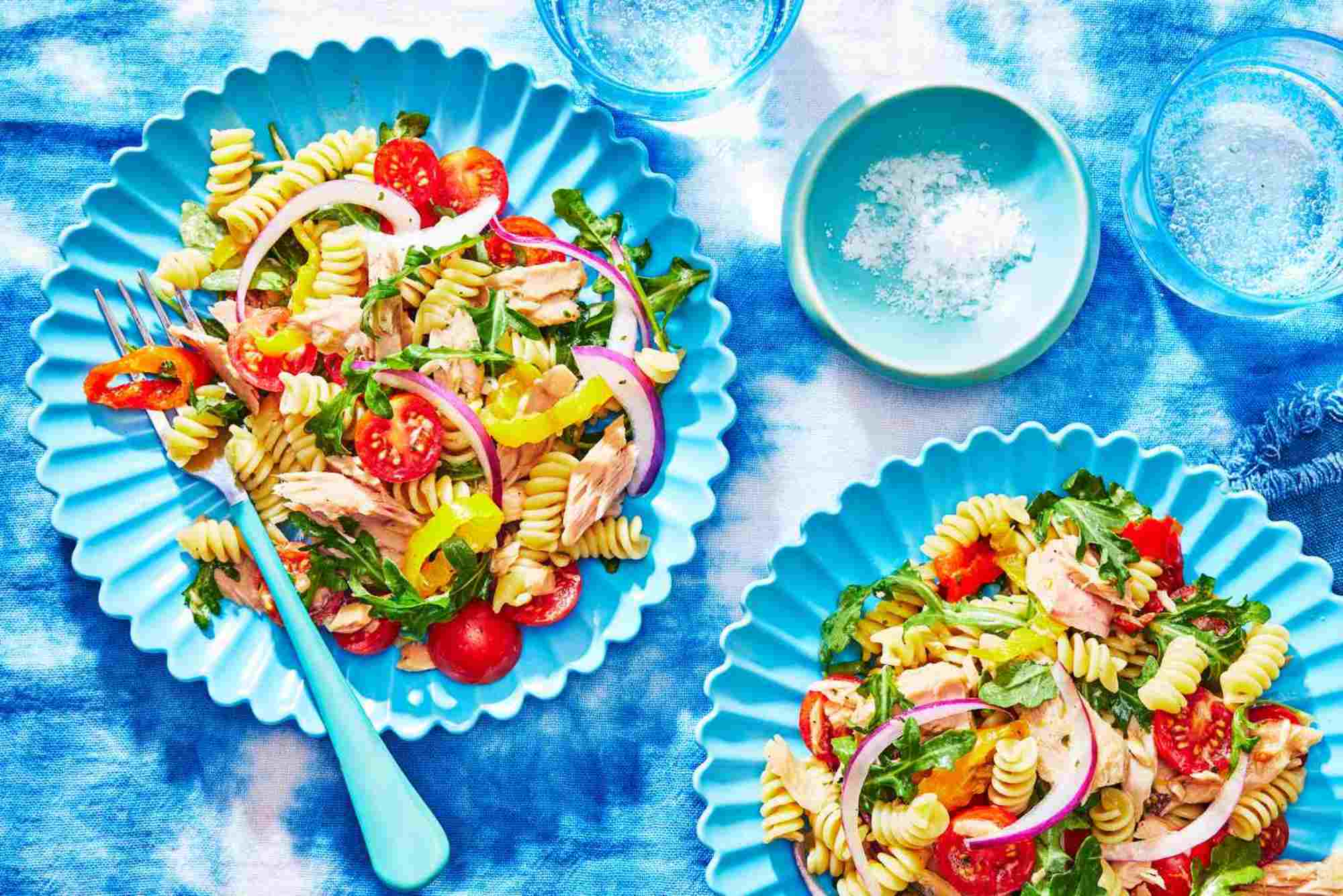
Cold Food: When It’s Safe to Eat and When It’s Not
Cold food is a common part of everyday meals, from leftovers to salads and desserts. But not all cold food is created equal, and in some cases, it can be risky to consume if not stored or handled properly. Understanding when cold food is safe to eat—and when it’s not—can protect your health and help you avoid foodborne illnesses.
In this article, we’ll explore how temperature, time, and food type affect the safety of cold food. You’ll also learn best practices for storage, reheating, and what signs indicate spoilage. Let’s dive into the facts that matter for keeping your meals safe and enjoyable.
Why Cold Food Safety Matters
Eating cold food might seem harmless, especially if it looks and smells fine. However, many harmful bacteria don’t change the appearance or odor of food. Cold food safety matters because foodborne illnesses can happen without obvious warning signs.
Each year, millions fall ill from food poisoning caused by bacteria like Salmonella, Listeria, and E. coli. These microorganisms thrive in the “danger zone”—between 40°F (4°C) and 140°F (60°C). Understanding how long cold food has been sitting out and how it was stored is crucial in preventing illness.
Safe Cold Foods vs. Unsafe Cold Foods
Foods Safe to Eat Cold
Not all cold food is dangerous. Some are designed to be served chilled. Items like deli meats, fruit salads, cold pasta dishes, and cooked vegetables can be perfectly safe—if they are stored and handled properly.
Refrigerated items that have been kept below 40°F and eaten within a reasonable time frame (usually 3–4 days) are generally safe. The key factor is consistent refrigeration and proper sealing.

Foods That Should Not Be Eaten Cold
On the flip side, foods that contain dairy, eggs, seafood, or meats should be treated with extra caution. For instance, cold scrambled eggs or seafood left out for a few hours can become a breeding ground for bacteria.
Raw animal products like sushi, tartare, or cold-smoked fish should only be eaten cold if they’ve been freshly prepared and properly chilled. Once these items exceed safe storage times, even refrigeration can’t guarantee safety.
Cold Food Storage Guidelines
Proper storage can extend the life of your food and reduce the risk of contamination.
How Long Can Cold Food Sit Out?
According to the USDA, perishable foods should not sit out for more than two hours. If the ambient temperature is above 90°F (32°C), that window shrinks to just one hour. Cold food left out longer than that should be discarded, even if it looks and smells fine.
Refrigerator and Freezer Temperatures
Always keep your refrigerator at or below 40°F (4°C) and your freezer at 0°F (-18°C) or lower. Use an appliance thermometer to ensure consistent temperatures.
If you’re unsure whether a food item has been kept cold enough, it’s better to be safe than sorry.
How to Store Leftovers Safely
After cooking, cool leftovers quickly—ideally within two hours. Store them in shallow containers to allow faster cooling. Label containers with the date, and plan to consume refrigerated leftovers within three to four days.
Freezing is also an option. While frozen food remains safe indefinitely, quality diminishes over time. Most cooked dishes are best consumed within two to three months of freezing.
Common Myths About Cold Food
Many people believe that if food is cold, it must be safe. However, that’s not always true.
Another myth is that you can just “smell test” food to know if it’s gone bad. Unfortunately, harmful bacteria can grow in food without altering the taste or odor.
Microwaving cold food to reheat doesn’t always kill all bacteria, especially if it doesn’t heat evenly. Always reheat leftovers to at least 165°F (74°C) to ensure safety.
Risks of Eating Unsafe Cold Food
Consuming unsafe cold food can lead to foodborne illnesses. Symptoms can include nausea, vomiting, stomach cramps, diarrhea, and fever.
In severe cases, these illnesses can lead to hospitalization, especially in vulnerable groups like children, older adults, pregnant women, and those with weakened immune systems.
Listeria, in particular, is a concern with cold food. It can grow even in refrigerated environments and is especially dangerous for pregnant individuals and newborns.
Tips for Eating Cold Food Safely
If you’re planning to eat cold food—either at home or from takeout—follow these tips to reduce your risk of illness:
- Always check that the food has been stored below 40°F
- Avoid leaving cold dishes out for extended periods
- Use a food thermometer if unsure
- Label leftovers with dates
- Discard any food that’s been sitting out longer than two hours
- Be cautious with cold buffets and potlucks
Trust your judgment, and when in doubt, throw it out.
Is Cold Food Less Healthy Than Hot Food?
This is a common question, and the answer depends on the food type. Nutritionally, cold food isn’t necessarily less healthy. However, certain cooking methods—like steaming or boiling—can enhance the availability of nutrients in some foods.
For example, cooking tomatoes increases the bioavailability of lycopene, a powerful antioxidant. On the other hand, raw and cold vegetables retain more vitamin C and folate.
So, whether hot or cold, both have their place in a balanced diet—as long as they’re handled and stored properly.
Be Smart with Cold Food
Cold food can be convenient, delicious, and even nutritious. But safety comes first. By following proper storage guidelines and understanding when it’s time to toss leftovers, you can avoid unnecessary risks.
If you’re unsure whether your cold food is still safe to eat, don’t rely on sight or smell alone. Use your knowledge and, if possible, a food thermometer.
FAQs
Can you eat cold chicken from the fridge?
Yes, as long as it was cooked, cooled, and stored properly. Eat within 3–4 days and ensure it stayed below 40°F.
Is it safe to eat cold pizza?
Cold pizza can be safe if stored in the fridge within two hours of baking. Avoid pizza left out overnight.
Can you eat cold rice?
Cold rice poses a risk if not cooled quickly and stored properly. Bacillus cereus can grow on improperly stored rice.
Is it OK to eat cold eggs?
Hard-boiled eggs stored in the fridge are generally safe for up to a week. Avoid cold scrambled eggs unless freshly prepared.
What happens if you eat spoiled cold food?
Spoiled cold food can cause food poisoning. Symptoms may include nausea, vomiting, and diarrhea. Seek medical help if symptoms persist.
Does reheating cold food kill bacteria?
Reheating to 165°F (74°C) kills most bacteria, but toxins already produced by bacteria may remain harmful. Proper storage is still essential.
How can I tell if cold food has gone bad?
Check for sour smell, mold, slimy texture, or off-color. But remember, some harmful bacteria don’t show visible signs.