
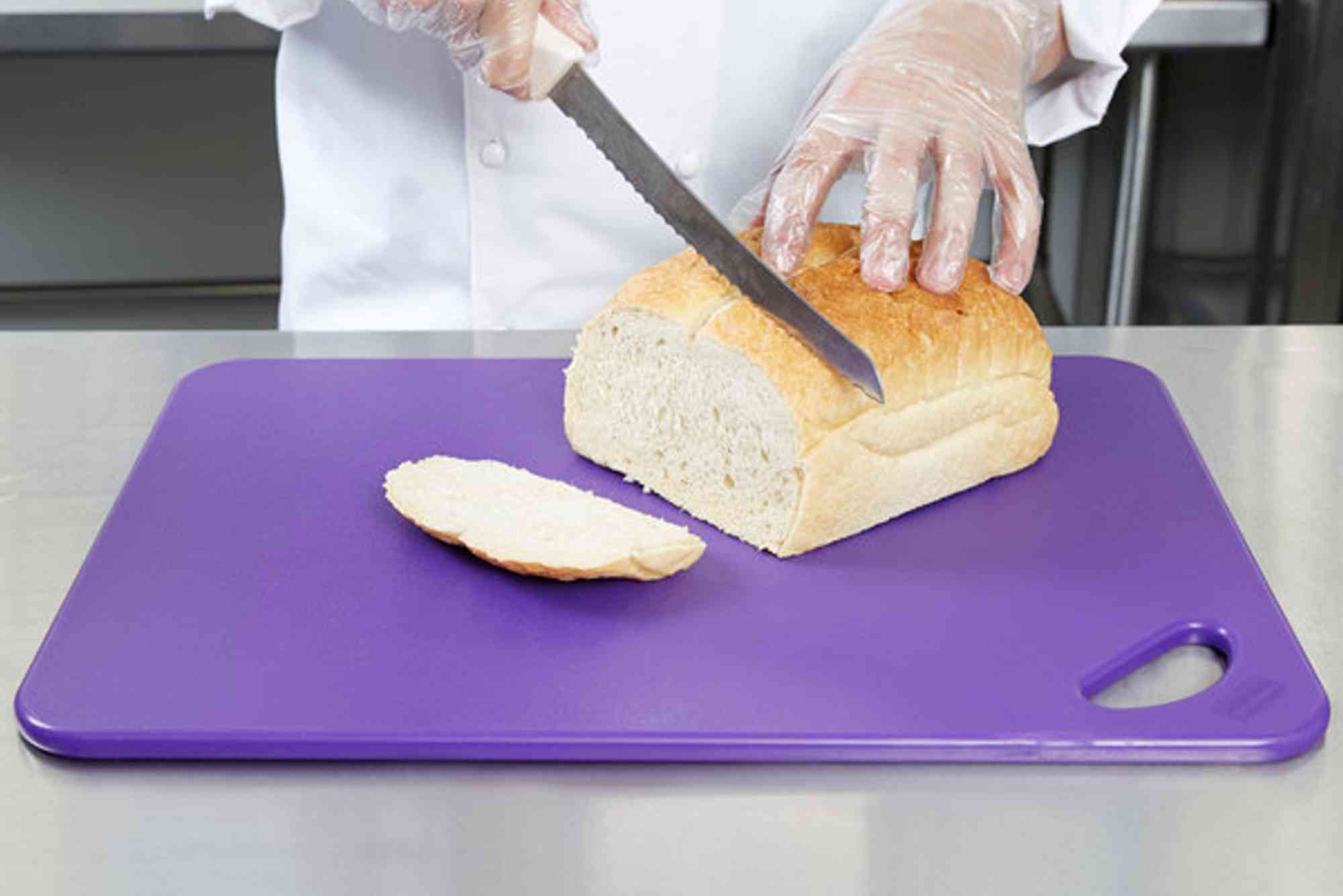
In any kitchen, hygiene is everything. Cross-contamination is one of the leading causes of foodborne illnesses—and it often starts with the chopping board. That’s why color-coded chopping boards are essential for maintaining food safety. If you’ve ever wondered about chopping boards colours for food safety, this guide breaks down everything you need to know.
From commercial kitchens to home cooking, color-coded boards help keep raw meat away from fresh produce, allergens separate from ready-to-eat food, and bacteria at bay. Whether you’re a professional chef or a home cook, using the correct board can prevent food poisoning and keep your kitchen compliant with hygiene standards.
Why Color-Coded Chopping Boards Matter
Color-coding in the kitchen isn’t just about organization—it’s a safety measure. Using different colors for different types of food significantly reduces the risk of cross-contamination. Each color indicates a specific food group, making it easy for everyone in the kitchen to follow safe food handling practices.
Foodborne Illness and Cross-Contamination
Cross-contamination happens when bacteria or allergens transfer from one food item to another. This often occurs through shared surfaces, such as knives and chopping boards. Raw meat, poultry, and seafood carry high levels of bacteria, which can spread quickly if not handled properly.
By assigning each food type its own cutting board, you contain bacteria and allergens to one surface.
Chopping Boards Colours for Food Safety – What They Mean
Understanding what each chopping board color represents is key to food hygiene. Here’s how the standard color coding system works.

Red – Raw Meat
Use red chopping boards exclusively for raw red meat like beef, lamb, or venison. These foods are often rich in bacteria, such as E. coli or Salmonella, which can contaminate other items if mishandled.
Blue – Raw Fish
Blue boards are designated for raw seafood and fish. Fish can carry parasites and bacteria unique to marine environments. This board ensures seafood prep doesn’t affect other dishes.
Yellow – Raw Poultry
Chicken and turkey carry some of the most dangerous pathogens, including Campylobacter. A yellow board signals that it’s meant only for raw poultry, preventing its juices from touching other foods.
Green – Fruits and Vegetables
Green chopping boards are for fresh, uncooked fruits and vegetables. Because these items are often eaten raw, keeping them free from meat or dairy contamination is vital for food safety.
Brown – Cooked Meat
Cooked meats should never touch surfaces used for raw ingredients. A brown board is used for slicing or carving cooked beef, chicken, or pork, helping you avoid reintroducing harmful bacteria.
White – Dairy and Bakery Products
White boards are typically reserved for dairy products and bread. These items require minimal preparation and are sensitive to contamination. White boards keep them safe from more hazardous foods.
Purple – Allergen-Free or Special Dietary Needs
Purple boards are increasingly used for allergen-sensitive prep. If someone has a severe allergy—like to nuts or gluten—this board ensures their food is handled in a safe, clean zone.
How to Implement Chopping Board Colour Codes
Now that you know the meanings behind each color, it’s time to put this knowledge into practice.
Label Your Boards
Even with color-coding, it’s helpful to label boards with the food type. This reinforces the system and helps guests or staff quickly understand how to use each one correctly.
Educate Everyone in the Kitchen
Everyone who prepares food—whether at home or in a restaurant—needs to follow the same color code. Consider posting a visual guide near your prep station.
Clean and Sanitize Properly
Chopping boards should be thoroughly washed after each use. Even though you’re using different colors, bacteria can still linger. Use hot, soapy water or a dishwasher. For extra safety, sanitize regularly with a food-safe solution.
The Role of Materials in Food Safety
The color of the chopping board is important—but so is the material.
Plastic Boards
Plastic chopping boards are popular because they’re easy to color-code and sanitize. They’re dishwasher-safe and less likely to absorb bacteria than wood. However, they can develop deep grooves over time, which trap bacteria.
Wooden Boards
Wood is naturally antibacterial but isn’t typically used for color-coding. In commercial kitchens, wood is often avoided due to its absorbent nature and cleaning challenges.
Composite and Bamboo Boards
These are durable and more resistant to bacteria than traditional wood. While not always color-coded, they work well for home kitchens that practice strict cleaning protocols.
Tips for Maintaining Food Safety in the Kitchen
Maintaining food safety goes beyond just using the correct chopping board.
Store Boards Vertically
Keep boards upright and separated to prevent moisture buildup and bacterial growth.
Replace Damaged Boards
If a board is deeply scratched, it should be replaced. Bacteria can settle into grooves and be nearly impossible to clean out.
Use Separate Utensils
Chopping boards are just one part of the equation. Use separate knives and tools for different food groups to maintain full hygiene compliance.
Stay Safe with Color-Coded Chopping Boards
Food safety starts with small habits, and using chopping boards colours for food safety is one of the most effective steps you can take. Whether you’re managing a busy restaurant kitchen or preparing a meal at home, these color guidelines protect you, your loved ones, or your customers from serious health risks.
Ready to upgrade your kitchen safety? Invest in a color-coded chopping board set today and start building better food hygiene habits from the ground up.
FAQ – Color-Coded Chopping Boards
What are the different chopping board colours for food safety?
Each color represents a specific food type: red for raw meat, blue for fish, yellow for poultry, green for vegetables, brown for cooked meat, white for dairy/bread, and purple for allergen-free prep.
Can I use one chopping board for all foods if I wash it between uses?
Technically, yes—but it increases the risk of cross-contamination. Separate boards are much safer and more hygienic.
Are color-coded chopping boards mandatory in professional kitchens?
In many countries, food safety authorities strongly recommend or require their use. It’s part of best practices for hygiene compliance.
How often should I replace chopping boards?
Replace boards as soon as they show deep scratches, cracks, or warping. These defects can harbor bacteria even after cleaning.
Is it better to use plastic or wooden boards?
Plastic is easier to color-code and sanitize. Wood is durable and has natural antibacterial properties but is harder to maintain in large kitchens.