Whether you’re a food blogger, restaurant owner, or hungry browser, chicken food images have a magnetic pull. From sizzling wings to golden-fried drumsticks, these visuals don’t just satisfy our eyes—they awaken taste buds. In today’s digital age, we often eat with our eyes first, and chicken is a star on the culinary stage.
This article explores the visual appeal of chicken dishes, the art behind food photography, and why chicken remains one of the most photogenic and craved proteins in the world.
Why Chicken Food Images Capture So Much Attention
There’s something inherently comforting about chicken. Its universal appeal comes not just from its flavor but from how it looks when cooked.
The Allure of Crispy, Golden Textures
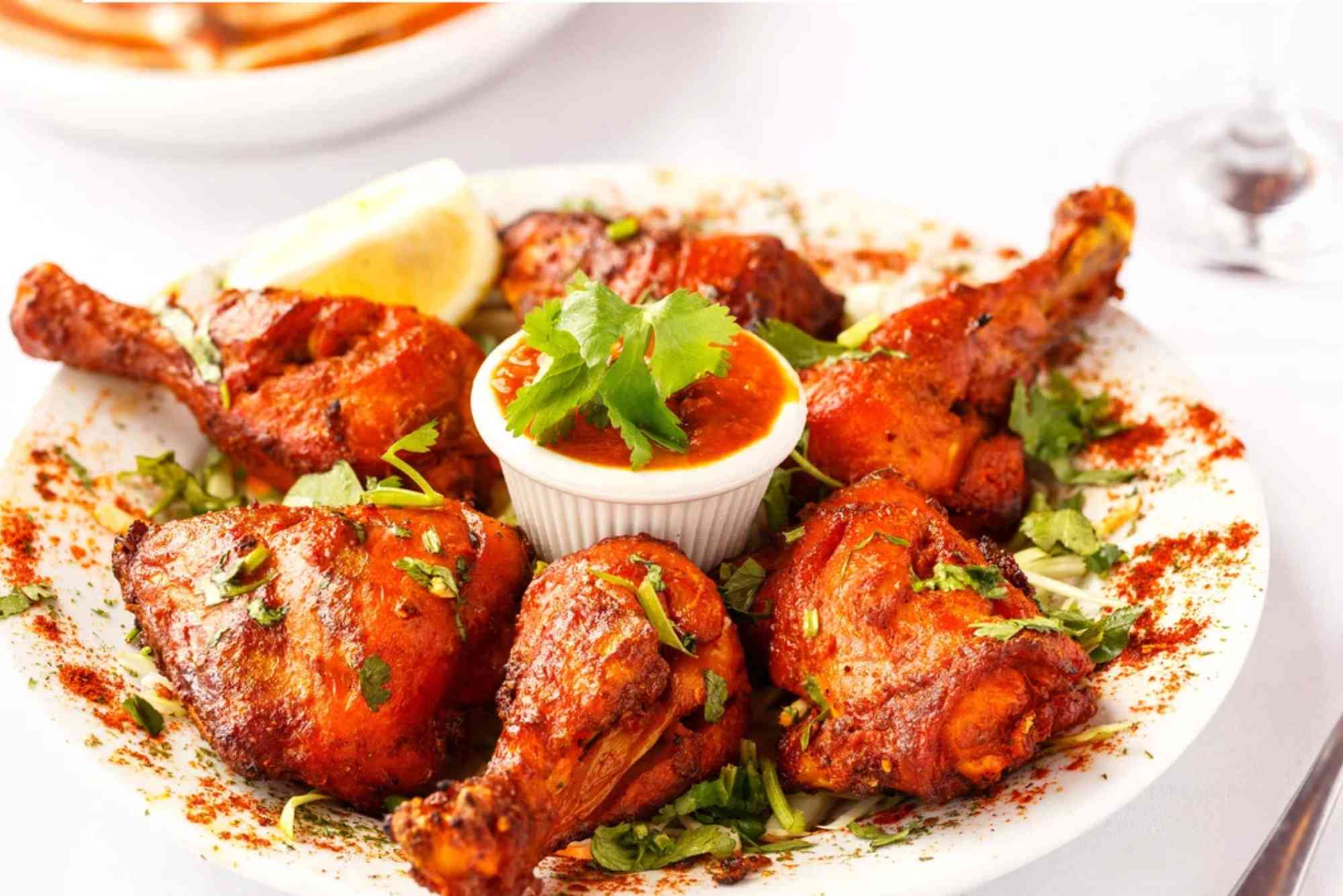
Whether roasted, grilled, or deep-fried, chicken develops a texture that practically shouts “delicious.” The golden-brown crust of fried chicken or the char marks on grilled breasts instantly stimulate hunger. These textures are easily captured in high-resolution images, which is why chicken food images dominate recipe blogs and restaurant menus.
A Color Palette That Pops
Chicken dishes often incorporate vibrant elements—green herbs, red sauces, golden-brown coatings, and creamy dressings. The contrast of colors makes chicken a natural model for the camera lens. Even a simple roast can look gourmet with the right angle and lighting.
The Power of High-Quality Chicken Food Photography
Good food photography isn’t just about aesthetics—it can influence decisions. People are more likely to order a dish if they see a photo first. Studies have shown that vivid images of food can activate regions in the brain related to hunger.

Techniques That Make Chicken Shine
Lighting is key. Natural light enhances the gloss on grilled skin or the steam rising off a curry. Props like rustic plates, fresh herbs, or wooden boards add context and texture. A close-up shot of a juicy chicken thigh, for example, brings out the moisture and crispness that trigger cravings.
How Images Drive Engagement
On social media, particularly Instagram and Pinterest, images of food are among the most shared content. Chicken dishes consistently rank among top-performing posts. A well-composed chicken image with a snappy caption can drive thousands of likes, shares, and clicks.
Chicken Dishes That Look as Good as They Taste
Certain chicken preparations are natural scene-stealers. The visual charm lies not only in the food itself but in how it’s plated and styled.
Fried Chicken: Crunch in Every Pixel
The most iconic of all is fried chicken. The bubbling crust, glistening oil sheen, and even the crumbs on the plate create visual drama. Whether it’s Southern-style or Korean spicy, the crunchy texture translates well on camera.
Grilled Chicken: Charred to Perfection
Grilled chicken often has distinct grill lines, smoky edges, and a golden-brown finish. When placed beside a fresh salad or rice, it becomes a balanced, colorful meal ideal for imagery.
Chicken Wings: Sauced and Savory
Chicken wings drenched in BBQ, buffalo, or honey garlic sauce are practically made for close-ups. Sticky textures and bold colors attract attention and drive social shares.
Chicken Curries: Bold and Comforting
From Indian butter chicken to Thai green curry, saucy dishes can be a little messier but offer deep color contrasts. A swirl of cream, a sprinkle of herbs, or a spoon halfway dipped in curry gives depth and interest to the image.
How to Take Stunning Chicken Food Images
Creating irresistible chicken food images requires more than just a camera phone. Whether you’re shooting at home or for a brand, the setup matters.
Use Natural Light
Soft, diffused daylight brings out true colors and textures. Avoid harsh overhead lighting, which can create shadows or flatten the image.
Shoot from Different Angles
Top-down shots work well for spreads, while 45-degree angles are great for plated meals. Close-ups emphasize texture—perfect for crispy skin or bubbling sauce.
Style with Purpose
Less is more. Avoid clutter and use complementary props like wooden boards, metal cutlery, or rustic napkins. Fresh herbs, citrus slices, or sauce drizzles can add visual interest.
Edit to Enhance, Not Overwhelm
Use editing tools to adjust brightness, contrast, and sharpness. But don’t over-edit. Chicken should look real and appetizing, not airbrushed or artificial.
Why Chicken Is a Universal Star in Food Culture
Chicken is a global protein. Its versatility means it shows up in almost every cuisine, giving rise to a wide range of mouthwatering images.
A Canvas for Culinary Creativity
From shawarma in the Middle East to chicken parmesan in Italy, the bird adapts to any flavor profile. This flexibility means endless opportunities for stunning visuals, no matter the cultural context.
Budget-Friendly, Crowd-Pleasing
Chicken is accessible. Unlike premium cuts of meat, it’s affordable yet satisfying. That combination makes it popular in home kitchens, restaurants, and food blogs alike. And popular food equals high image demand.
Chicken Food Images in Marketing and Menu Design
Smart marketers know the power of a mouthwatering image. Restaurants with images on their menus often see higher sales and fewer order returns.
Boosting Online Orders
In the age of food delivery, chicken food images drive online conversions. Customers are more likely to try a new dish if they can see it first. Well-lit photos with accurate representation increase trust and appetite.
Enhancing Brand Identity
Consistent, high-quality food imagery builds brand trust. A chain known for its crispy chicken must reflect that in every promotional image. Good visuals set expectations—and meet them.
Feed the Eyes, Fuel the Craving
Chicken food images are more than pretty pictures. They evoke emotion, awaken hunger, and drive decisions. Whether you’re crafting a recipe blog, running a food truck, or browsing for dinner ideas, don’t underestimate the power of a great chicken image.
FAQ: Chicken Food Images
What makes chicken food images so appealing?
The golden texture, juicy appearance, and rich color combinations make chicken highly photogenic and appetizing.
How do you make chicken look good in photos?
Use natural lighting, focus on texture, and add garnish or sauce for contrast. Keep the setup clean and styled.
Can chicken food images increase restaurant sales?
Yes. High-quality images in menus and marketing help customers visualize and crave the food, boosting orders.
What angle is best for photographing chicken dishes?
A 45-degree angle often shows the most detail, but close-ups work well for textures like crispy skin or saucy wings.
Are there any tools that help edit food images better?
Yes. Lightroom, Snapseed, and VSCO are great for food photography. They offer control over brightness, warmth, and contrast.