
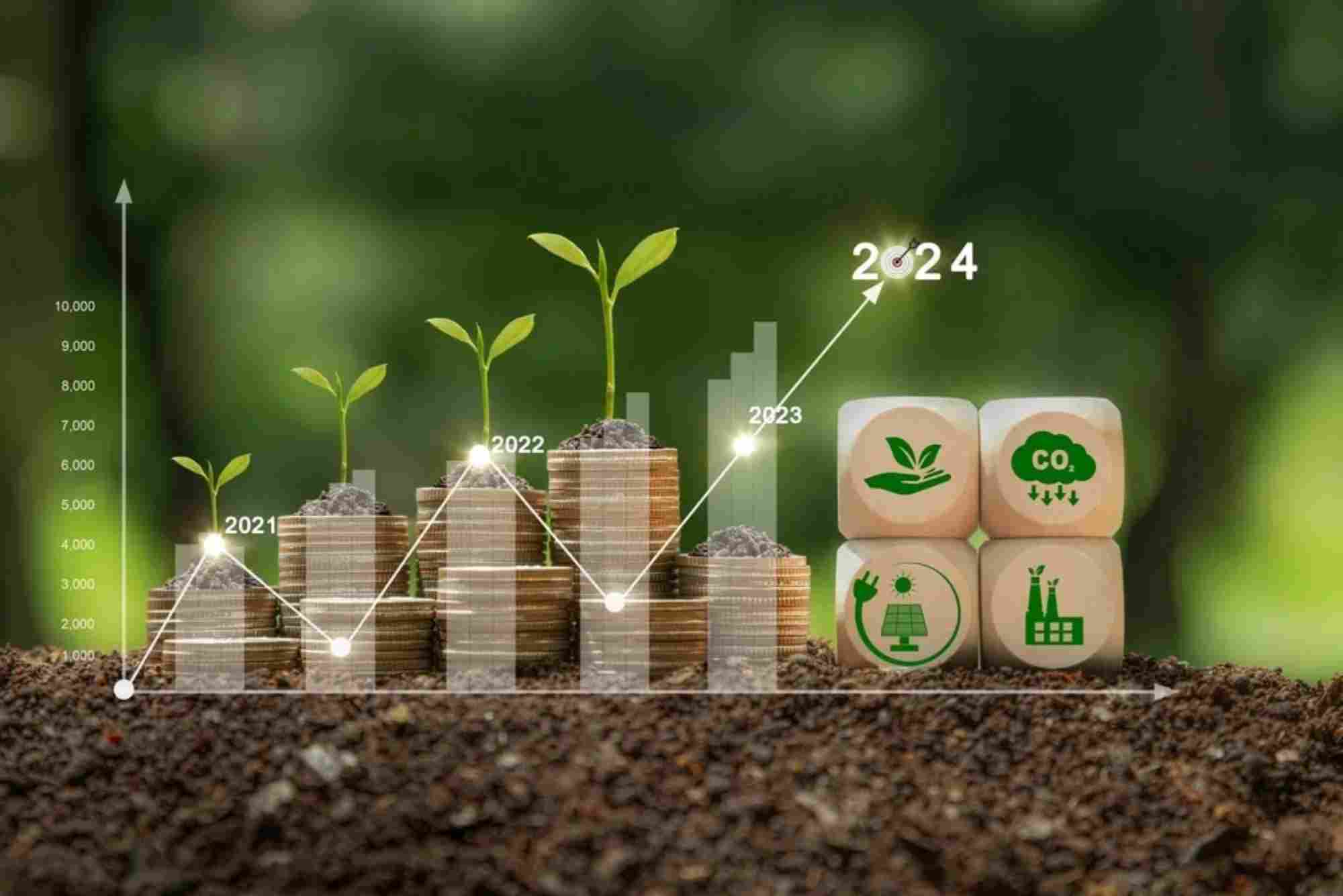
Future-Proofing Your Portfolio
In an era of growing environmental awareness and regulatory pressure, carbon offset investment is rapidly becoming a strategic asset class. Whether you’re an individual investor or managing a large portfolio, incorporating carbon offsets can help balance financial returns with environmental impact. As climate change reshapes economies, investing in carbon offsetting isn’t just ethical — it’s increasingly essential for risk management and long-term sustainability.
What Is Carbon Offset Investment?
At its core, carbon offset investment involves funding environmental projects that reduce or remove greenhouse gas emissions. These projects might include reforestation, renewable energy, methane capture, or soil carbon sequestration. When you invest in a certified carbon offset, you’re essentially purchasing a permit for a metric ton of CO₂ or equivalent to be either avoided or absorbed elsewhere.
Why Investors Are Turning to Carbon Offsets
The investment world is shifting. Environmental, Social, and Governance (ESG) criteria now play a major role in how portfolios are built and evaluated. Amidst this shift, carbon offsets are emerging as tangible assets that offer both environmental and economic value.
Carbon offset investment is particularly appealing to:
- Ethical investors seeking low-carbon portfolios
- Corporations under emissions regulations
- ESG-focused funds aiming for carbon neutrality
The Financial Case for Carbon Offset Investment
While traditionally seen as a compliance mechanism, carbon offsets are increasingly viewed through a financial lens. Here’s how they make strong investment sense.
Diversification with Environmental Impact
Carbon credits are non-correlated to traditional asset classes like stocks and bonds. This means adding them to a portfolio can reduce volatility and enhance overall resilience.

Regulatory Trends and Market Growth
As more governments introduce carbon pricing, including carbon taxes and emissions trading systems, demand for carbon credits continues to rise. According to the Taskforce on Scaling Voluntary Carbon Markets, the global voluntary carbon market could grow to $50 billion by 2030. This demand-supply dynamic creates significant upside potential for early investors.
Carbon Credits as Tradable Assets
High-quality carbon credits can be bought and sold on voluntary or compliance markets. Investors can profit by holding these assets as they appreciate or by trading them on exchanges like Xpansiv CBL or AirCarbon Exchange.
Risks and Challenges in Carbon Offset Investing
Every investment comes with risk, and carbon offsets are no exception. Understanding these challenges is key to building a strong, future-proof portfolio.
Quality and Verification Issues
Not all carbon credits are created equal. Some may overstate their environmental benefits. To mitigate this risk, investors should seek projects certified by reputable registries like Verra, Gold Standard, or Climate Action Reserve.
Market Volatility and Liquidity
While the carbon market is growing, it’s still in early stages. This means some credits can be illiquid or subject to price swings based on regulatory changes or public sentiment.
Double Counting and Additionality Concerns
Effective carbon offset investment requires assurance that emissions reductions are real, verifiable, and would not have occurred otherwise. Due diligence is essential.
How to Get Started with Carbon Offset Investment
For those new to this asset class, the entry process can seem complex. However, with a strategic approach, it’s entirely manageable.
Choose the Right Platform or Fund
Investors can access carbon markets via:
- Direct purchase of verified carbon credits
- ESG or climate-focused ETFs with exposure to carbon
- Private equity funds that develop or support offset projects
Look for platforms that offer transparency, certification, and reporting — such as KlimaDAO, Toucan Protocol, or Nori.
Understand Project Types
Each type of carbon offset project comes with different timelines, risks, and returns. Popular options include:
- Forestry and afforestation (long-term sequestration)
- Renewable energy (wind, solar)
- Blue carbon (mangrove restoration)
- Agricultural practices (soil carbon, biochar)
Research each sector to align with your risk profile and investment horizon.
Monitor and Adjust Your Portfolio
As carbon pricing, policy, and technology evolve, so should your strategy. Stay informed through resources like Carbon Pulse, the World Bank’s Carbon Pricing Dashboard, or the International Carbon Action Partnership (ICAP).
The Future of Carbon Offset Investment
The future of carbon offset investment is bright, dynamic, and deeply intertwined with global sustainability goals. Several key trends are shaping this space.
Integration with Blockchain Technology
Blockchain offers traceability and transparency — two crucial needs in the offset market. Tokenized carbon credits are gaining traction and can make offset trading more efficient.
Increased Regulation and Standardization
With initiatives like the Integrity Council for the Voluntary Carbon Market (ICVCM), stricter standards are coming, which may boost investor confidence and improve credit quality.
Corporate Net-Zero Commitments
Thousands of companies have pledged net-zero targets. This creates consistent demand for high-quality carbon credits, supporting long-term value for investors.
Secure Your Financial and Environmental Future
Carbon offset investment is no longer a fringe idea — it’s a powerful tool for aligning profit with purpose. It helps future-proof portfolios against climate risks, opens access to emerging markets, and contributes meaningfully to global decarbonization.
If you’re serious about sustainability and long-term financial growth, now is the time to explore carbon offset investment. Start with research, align with certified projects, and diversify wisely.
Ready to make your portfolio greener and smarter? Start exploring carbon offset investments today and join the future of responsible finance.
FAQs on Carbon Offset Investment
What is carbon offset investing?
Answer:
Carbon offset investing involves purchasing credits from projects that reduce or remove carbon emissions. These credits can be used to balance out your own emissions or sold for profit.
Is carbon offset investment profitable?
Answer:
Yes, it can be. As carbon prices rise and demand increases due to regulation and corporate commitments, the value of carbon credits may appreciate, offering financial returns.
Are carbon offsets a good ESG investment?
Answer:
Absolutely. Carbon offsets support environmental goals and are increasingly integrated into ESG strategies by funds and corporations aiming for carbon neutrality.
How do I know if a carbon credit is legitimate?
Answer:
Look for credits certified by reputable registries like Verra, Gold Standard, or the Climate Action Reserve. These ensure that the offset is real, measurable, and verifiable.
Can individuals invest in carbon offsets?
Answer:
Yes. Individuals can buy carbon credits directly from platforms like Nori or invest in ESG funds with exposure to carbon markets.
What are the risks of carbon offset investing?
Answer:
Risks include market volatility, illiquidity, project failure, or poor-quality credits. Performing due diligence and investing in verified projects can mitigate these risks.
How do carbon offsets compare to renewable energy investments?
Answer:
Both support climate goals. Offsets provide a flexible way to neutralize emissions, while renewable energy projects reduce emissions at the source. Many investors combine both for impact.