
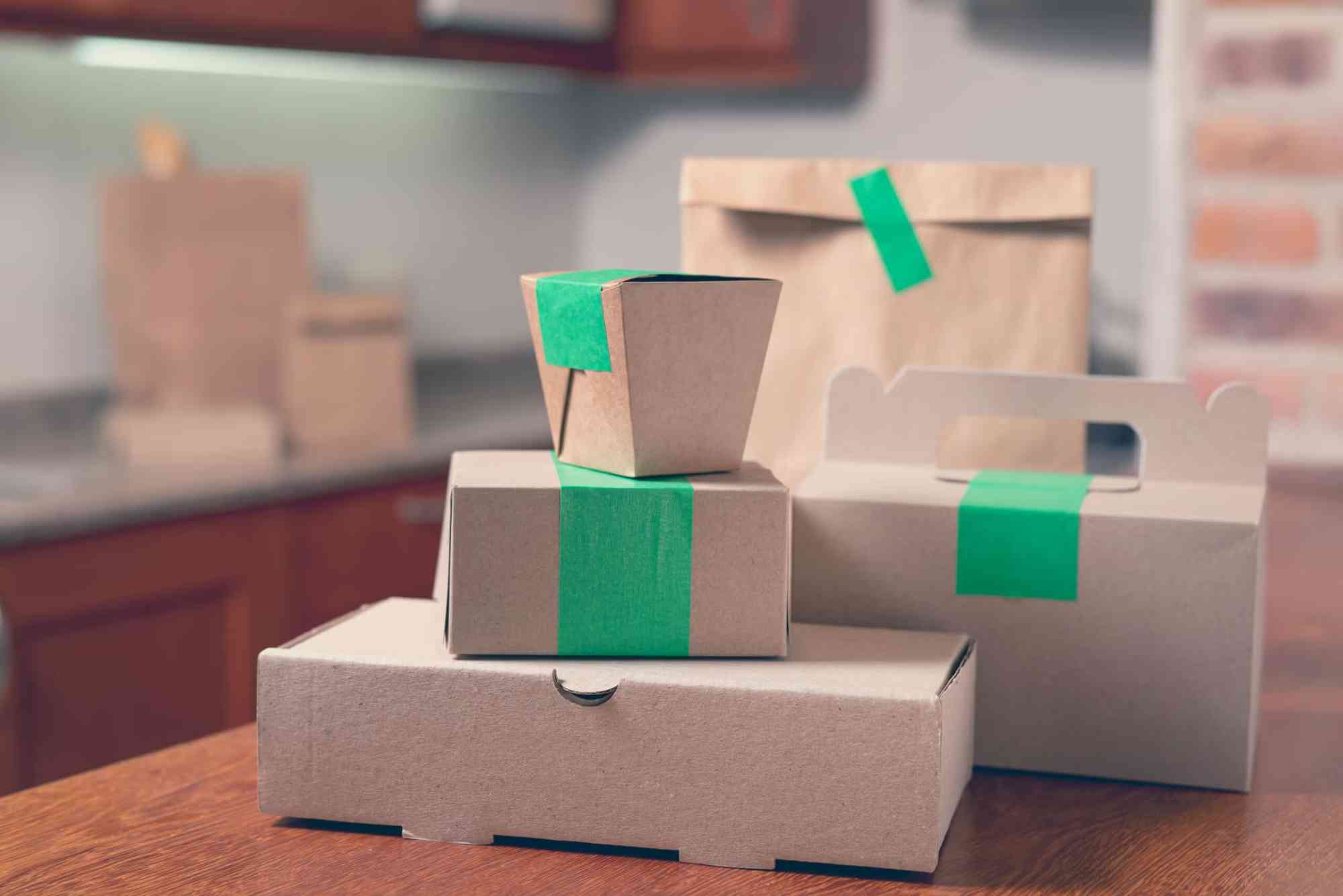
Cardboard food packaging is everywhere — from your morning cereal to last night’s pizza. But can you recycle cardboard food boxes without harming the recycling process? The short answer is: sometimes — but it depends on the type and condition of the box.
In this guide, you’ll learn how to tell which cardboard food boxes are recyclable, which aren’t, and what to do with the tricky ones. Whether you’re an eco-conscious homeowner or just starting your green journey, understanding how to handle these common items is a big step toward sustainable living.
Understanding the Types of Cardboard Food Boxes
Cardboard comes in different forms, and that matters when it comes to recycling. Most food packaging falls under two broad categories: corrugated cardboard and paperboard (also known as chipboard).
Corrugated Cardboard
This is the thick, layered cardboard used in shipping boxes. You’ll often find it in bulk food packaging or meal delivery kits. It’s highly recyclable, as long as it’s clean.
Paperboard or Chipboard
Think of cereal boxes, frozen meal cartons, or cracker boxes. This thin, smooth cardboard is also recyclable in most curbside programs — but again, cleanliness is key.
Why Cleanliness Matters in Cardboard Recycling
One of the most common reasons cardboard food boxes are rejected at recycling centers is contamination. Any grease, food residue, or oil can ruin an entire batch of recyclables.

Here’s how it works: Cardboard is broken down into a pulp when recycled. If it contains oils or food bits, it creates a poor-quality pulp that can’t be used for new products. Worse, contamination can spread to other items, forcing entire loads to be sent to the landfill.
So, can you recycle cardboard food boxes with a bit of cheese on them? Not really. They must be clean and dry before hitting the bin.
Cardboard Food Boxes You Can Recycle
Many cardboard food containers are accepted in your curbside recycling program. Here’s how to handle them correctly:
Dry, Clean Cereal and Snack Boxes
Remove the plastic bag liner and flatten the box. If there’s no food residue or grease, it’s good to go.
Pasta and Rice Boxes
Again, remove any inner liners or windows. If the box is clean, toss it in the recycling.
Egg Cartons (Cardboard Only)
These are usually made from recycled cardboard and can be recycled again — unless they’re soiled with egg yolk or residue.
Frozen Food Boxes (if untreated)
Some frozen food boxes are recyclable, but many are coated in a plastic layer to resist moisture. Check your local recycling guidelines to be sure.
When Cardboard Food Boxes Can’t Be Recycled
Unfortunately, not every box is a candidate for recycling. Certain coatings or residues can disqualify them.
Pizza Boxes
These are the classic culprit. While the top lid might be clean and recyclable, the greasy bottom usually isn’t. Tear the box and recycle the clean part only.
Wax-Coated or Plastic-Lined Boxes
Some juice cartons or freezer boxes have a shiny lining, making them water-resistant — and harder to break down. Unless your recycling center has special equipment, these boxes are likely non-recyclable.
Wet or Moldy Boxes
Moisture breaks down cardboard fibers, weakening the material. If a box is damp or moldy, it belongs in the compost or trash, not the recycling bin.
Eco-Friendly Tips for Cardboard Food Box Disposal
While recycling is great, reducing waste from the start is even better. Here are a few smart, sustainable habits:
Choose Products With Minimal Packaging
Buy in bulk or choose brands that use recyclable or compostable materials.
Reuse Before You Recycle
Use food boxes for crafts, storage, or even as seed starters for gardening. Extend their life before tossing them.
Compost What You Can
Some food-soiled cardboard (like greasy pizza boxes or plain paper egg cartons) can be composted if they aren’t suitable for recycling. Just tear them up and add them to your compost pile.
Check Local Recycling Rules
Recycling guidelines can vary by city or region. Always double-check your municipality’s accepted materials list.
What Happens After You Recycle a Cardboard Food Box?
Once your cardboard is collected, it goes through several steps:
- Sorting: Clean boxes are separated from contaminated ones.
- Pulping: Boxes are soaked and broken down into a slurry.
- Screening & Cleaning: Non-paper elements (like plastic film or staples) are filtered out.
- Drying & Rolling: The pulp is flattened and dried into new cardboard sheets.
If your box was dirty, it probably never made it past step one.
Can You Compost Cardboard Food Boxes?
Yes — but only if they’re free from plastic coatings and covered in food, grease, or other organic matter. Composting is a good backup for pizza boxes and similar items that can’t be recycled but aren’t toxic to your compost system.
Tear or shred them before composting to help them break down faster. Avoid composting glossy boxes or anything with synthetic dyes.
Frequently Asked Questions
Can you recycle cardboard food boxes with grease?
Only the clean parts should be recycled. Greasy areas, like the bottom of a pizza box, should be composted or trashed.
Are frozen food boxes recyclable?
Some are, but many have a plastic coating. Check for recycling symbols and refer to local guidelines.
Is it okay to recycle boxes with a plastic window?
Remove the plastic window first. The remaining cardboard is usually recyclable.
What should I do with food-soiled cardboard?
If it’s heavily soiled and not coated in plastic, compost it. Otherwise, throw it away.
Can I recycle cereal boxes?
Yes, cereal boxes are made from paperboard and are widely accepted — just remove liners and flatten them first.
Recycle Smart, Live Green
So, can you recycle cardboard food boxes? Yes — when they’re clean, dry, and free of coatings or liners. By understanding what’s recyclable and what’s not, you help make the entire system more efficient and eco-friendly.