
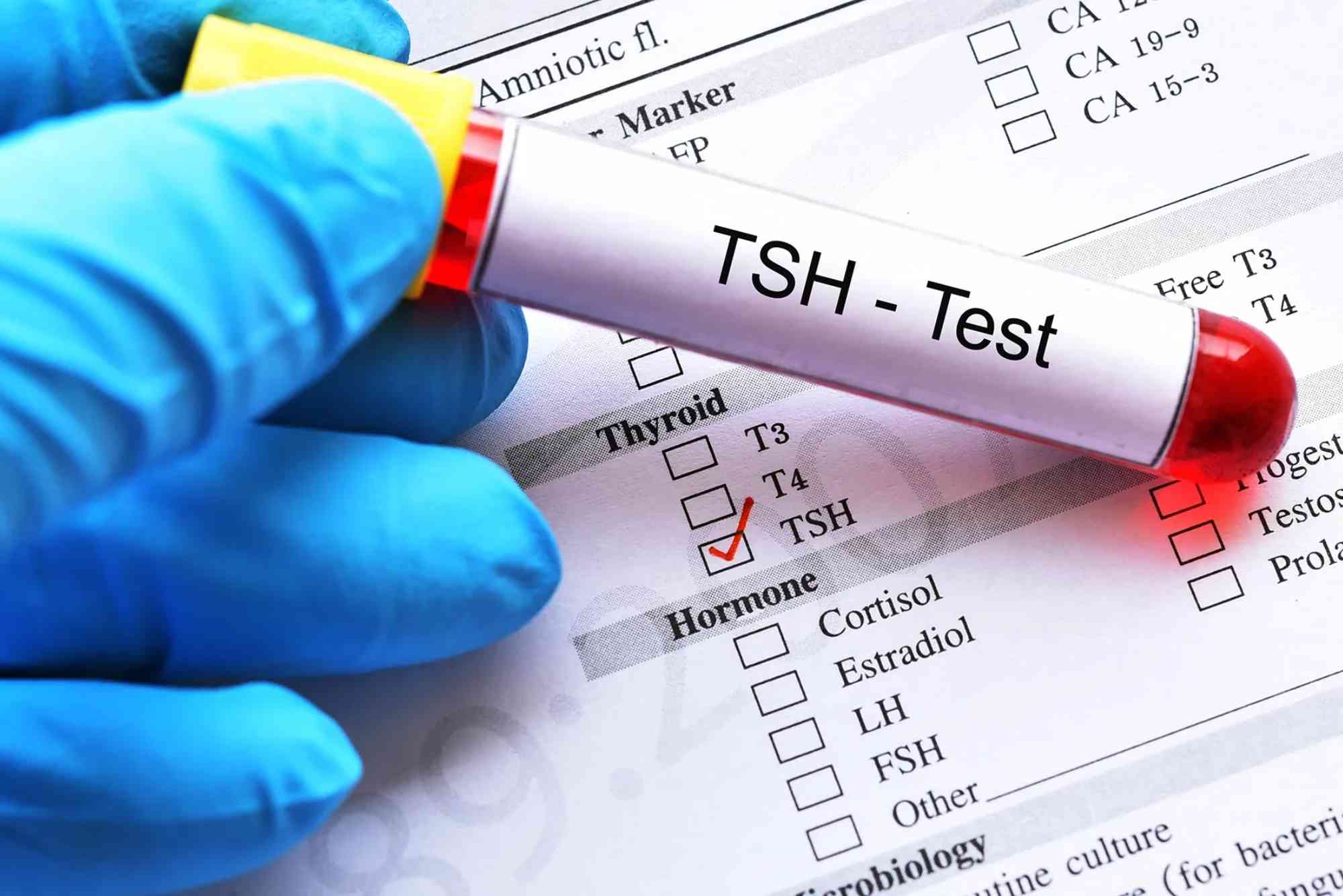
Can TSH Test Be Done After Food? Here’s What You Should Know
Thyroid health plays a vital role in your overall well-being. When something feels off—be it fatigue, weight changes, or anxiety—your doctor may recommend a TSH (Thyroid Stimulating Hormone) test. But one common question patients ask is: Can TSH test be done after food? While it may seem like a minor detail, timing your TSH test correctly can influence the accuracy of your results. Understanding the science behind the TSH test and how meals interact with hormone levels can help you prepare better and ensure your diagnosis is accurate.
Understanding the TSH Test
TSH, or thyroid-stimulating hormone, is produced by the pituitary gland. It tells your thyroid when to release its hormones—mainly T3 (triiodothyronine) and T4 (thyroxine)—which are essential for metabolism, energy, and mood regulation. A TSH test helps identify if your thyroid is functioning properly, underactive (hypothyroidism), or overactive (hyperthyroidism).
Doctors usually order this test when they suspect thyroid issues based on symptoms or as part of routine health checks. Blood is drawn and analyzed for the level of TSH in your bloodstream. But like many hormone-related tests, the result can be influenced by several factors—including food.
Can TSH Test Be Done After Food?
The short answer is: yes, a TSH test can technically be done after eating, but it’s not ideal. Fasting is not strictly required, but studies suggest that food intake can slightly influence your TSH levels, potentially altering your diagnosis if the variation is significant. This is why many healthcare providers recommend having the test done in the morning and on an empty stomach to ensure the most consistent and accurate results.
How Food Affects TSH Test Accuracy
When you eat, your metabolism becomes more active, and several hormones in your body adjust accordingly. Although TSH is not as acutely sensitive to food as blood sugar or insulin, small fluctuations can still occur. For example, research has shown that TSH levels can decrease slightly after eating, though this change may not be clinically significant in all cases. However, if you’re being closely monitored for thyroid levels or are on thyroid medication, even slight variations might matter.
Timing Matters: Morning vs. Evening
Another important aspect to consider is the time of day you take the test. TSH levels follow a circadian rhythm, which means they vary throughout the day. Typically, TSH peaks in the early morning and drops as the day progresses. Therefore, if you take the test in the afternoon—especially after eating—the values might appear lower than they would in the morning on an empty stomach. This could lead to misinterpretation, especially if your TSH levels are borderline.

Should You Fast Before a TSH Test?
While fasting is not a strict requirement for a TSH test, most healthcare professionals recommend at least 8–10 hours of fasting for consistency. This doesn’t mean you’ll get completely inaccurate results if you eat beforehand, but fasting reduces variables that can alter hormone readings. If you’ve already eaten before a test, inform your doctor, so they can interpret your results accordingly. Ideally, schedule the test first thing in the morning before breakfast for optimal accuracy.
TSH Testing and Thyroid Medication
If you are on thyroid medication like levothyroxine, the timing of your test in relation to your medication is also crucial. It’s recommended that you take the TSH test before taking your morning dose. This is because the medication can temporarily suppress TSH levels, leading to lower readings and possible underestimation of your thyroid function.
Key Takeaways for Accurate TSH Testing
To ensure your TSH test yields the most accurate results, follow these simple guidelines:
Take the test in the morning, preferably before 10 a.m.
Avoid eating or drinking anything except water before the test.
Don’t take thyroid medications until after your blood has been drawn.
Avoid strenuous activity before testing, as it can influence hormonal levels.
Let your doctor know about any food, medication, or supplements taken before the test.
This protocol minimizes the impact of external factors and gives your doctor a clearer picture of your thyroid health.
What Happens If You Eat Before the TSH Test?
If you’ve already eaten before the test, there’s no need to panic. In most cases, the influence of food on TSH levels is minor and unlikely to significantly alter the outcome—especially if your TSH is far outside the normal range. However, for borderline cases or precise medication adjustments, your doctor may ask for a retest under fasting conditions.
Exceptions and Special Cases
Some people may have no choice but to test after food—due to medical conditions, scheduling conflicts, or emergencies. In such situations, the lab and your physician should be informed so they can factor it into your interpretation. For instance, if you’re being screened for multiple conditions and one of them requires fasting, you can coordinate the blood draw accordingly to serve all purposes.
Myths About TSH and Food
A common myth is that any food will drastically distort TSH levels. The truth is, while food may cause slight variations, it does not entirely compromise the test. What matters more is consistency. If all your past tests were done fasting and one is not, the data becomes harder to compare. Likewise, if you always test at different times of the day, your results may appear inconsistent. Consistency is key.
Foods and Supplements That May Interfere
Although general meals don’t significantly affect TSH, some specific foods and supplements can indirectly influence thyroid function. Soy products, high-fiber diets, calcium, and iron supplements may affect the absorption of thyroid medications and influence hormone levels over time. If you’ve consumed any of these right before your test, it’s a good idea to mention it.
So, can TSH test be done after food? Yes, but it’s not the best practice. For the most accurate and reliable results, take the test early in the morning, on an empty stomach, and before taking any thyroid medication. This simple step ensures consistency and allows your doctor to monitor your thyroid function more effectively.
If you suspect a thyroid problem or are managing an existing thyroid condition, don’t let timing errors interfere with your diagnosis. Talk to your doctor and plan your TSH test carefully.
FAQs
f2: Can I eat before a TSH blood test?
Technically, yes—you can eat before a TSH test. However, most doctors recommend fasting to avoid minor fluctuations in TSH levels that food may cause.
f3: Is fasting necessary for a thyroid test?
Fasting isn’t strictly required for thyroid tests, but it helps maintain consistency and accuracy, especially for tests that monitor medication response.
f2: Does coffee affect TSH test results?
Yes, coffee can affect your TSH test results, especially if consumed with thyroid medication. It may hinder hormone absorption and cause misleading readings.
f3: What happens if you take thyroid medicine before the test?
Taking thyroid medication before the test can lower TSH levels temporarily, potentially leading to underdiagnosis or misinterpretation.
f2: What is the best time to take a TSH test?
Morning is the best time to take a TSH test—preferably before 10 a.m., before eating or taking thyroid medication, to ensure consistent and accurate results.