
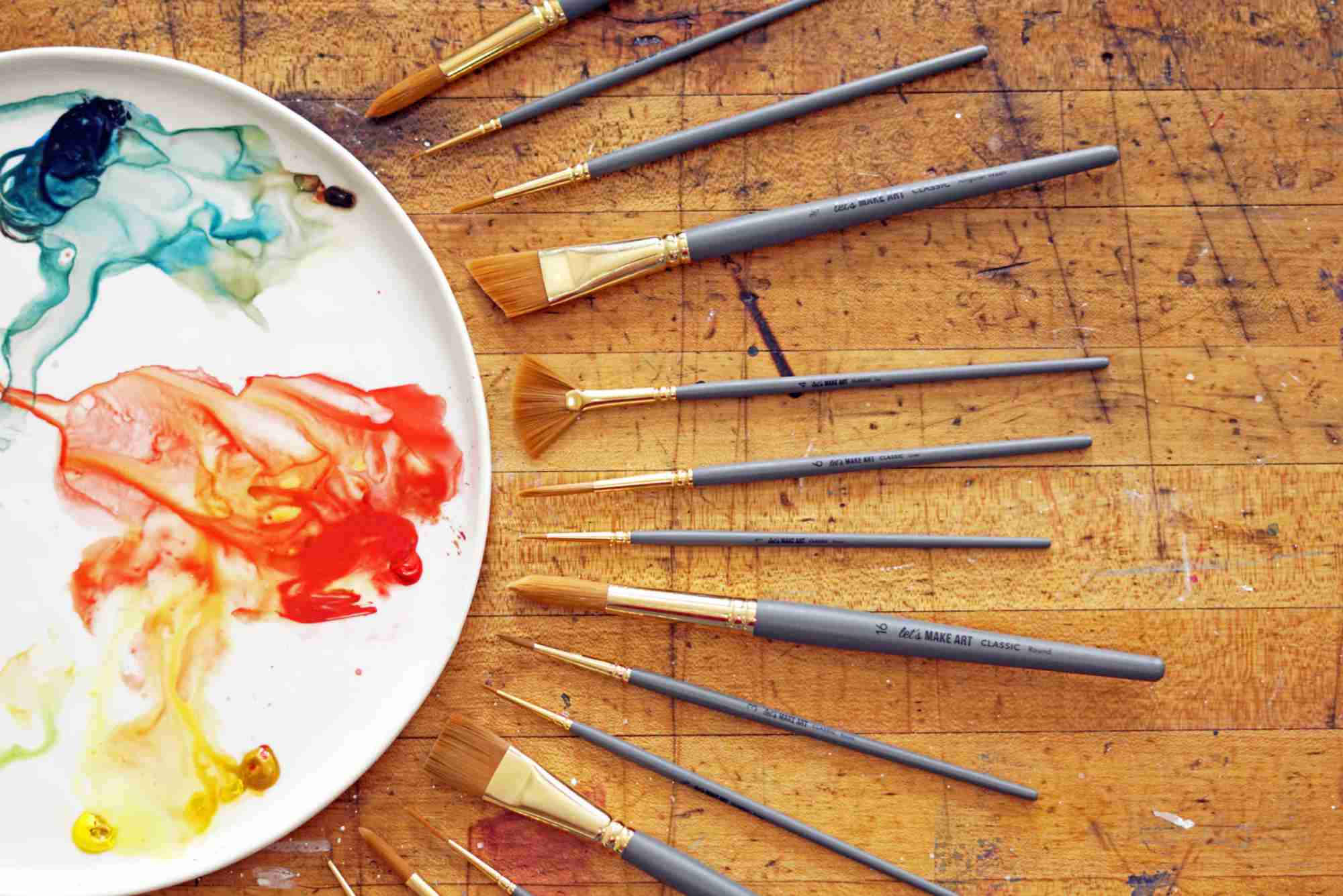
Is It Safe to Use a Regular Paint Brush for Food Decorating?
Decorating food is a creative and satisfying process, especially in baking, cake design, and even in high-end culinary plating. But one common question that often comes up is: Can I use a regular paint brush for food? The short answer is no, you shouldn’t. But the full picture involves a deeper understanding of materials, hygiene standards, and safety concerns. In this article, we’ll explore everything you need to know about using paint brushes in food decoration—from health risks to food-safe alternatives.
Why This Question Matters
Food decorating has evolved into an art form, especially with trends like hyper-realistic cakes, edible paint, and Instagram-worthy plating. Brushes are now essential tools in kitchens, just like in art studios. That’s why it’s natural to think, “Can I just grab a paint brush from my art supplies and use it on food?” But what seems convenient can have serious implications for health and food safety.
Understanding the Differences Between Brushes
The primary concern comes from the materials used in regular paint brushes versus those made specifically for food.
Regular paint brushes are designed for use with acrylics, oils, and other chemical paints. Their bristles may be made from animal hair, nylon, polyester, or a blend. These bristles are often held together with metal ferrules and glued with industrial adhesives. The handles, usually wood or plastic, may be coated in toxic varnishes or paints.
In contrast, food-safe brushes are manufactured under stringent health standards. They use food-grade synthetic bristles, non-toxic adhesives, and BPA-free plastic handles. They are also easier to clean and sterilize between uses, reducing the risk of bacterial growth.
What Are the Risks of Using a Regular Paint Brush for Food?
You might think using a new, clean brush should be fine. But even unused brushes can pose significant risks.
The first issue is contamination. Many manufacturers don’t produce paint brushes in sterile environments. Even if the brush appears clean, it may carry dust, dirt, and chemical residues. These contaminants can transfer to food, especially wet or oily surfaces that absorb substances more readily.
Another risk is toxicity. Industrial glues and synthetic bristles can leach harmful chemicals, especially when exposed to moisture or heat. Paint on wooden handles may chip into food, leading to ingestion of toxic substances. Some cheaper brushes also contain heavy metals, which can be extremely dangerous even in small quantities.
Lastly, brushes not intended for food are not made to withstand repeated washing, sanitizing, or contact with food-safe cleaning agents. This makes it harder to maintain hygiene, leading to potential mold or bacterial growth over time.
Situations Where You Might Consider Using a Brush
While the answer to can I use a regular paint brush for food is generally no, there are nuances. Some chefs may use regular art brushes in non-edible portions of decorations, like sugar sculptures that are removed before eating. Even then, it’s common practice to label such brushes clearly and store them separately.
In the rare case you do consider using one, ensure it’s brand new, clearly marked for food use only going forward, and fully sanitized before and after use. But even then, the safest route is to invest in food-safe alternatives.
What Makes a Brush Food-Safe?
The biggest factor in a food-safe brush is the certification and manufacturing process. Look for brushes that are labeled as food-safe, FDA-approved, or meet EU hygiene regulations. These brushes are designed for direct contact with edible surfaces.
The bristles are non-shedding and made from synthetic materials like nylon or Taklon. The glue used is non-toxic, and the handles are smooth, easy to clean, and often made from BPA-free plastics or sealed food-safe wood.
Importantly, food-safe brushes can handle frequent washing in warm soapy water and even dishwashers, without breaking down or contaminating food.
Best Uses for Food-Safe Brushes in Decorating
Food-safe brushes can be used in various ways—from brushing egg wash on pastries to painting fondant with edible color. They are also great for applying luster dust, watercolor effects, or gold leaf to cakes.
Chefs also use them to create fine details on plated dishes, adding sauces or garnishes with precision. In baking, decorating cookies or brushing syrup on sponge layers is made easier and cleaner with dedicated food-safe tools.
Tips for Using Brushes in Food Safely
When using brushes for food decoration, hygiene should be your top priority. Even with food-safe brushes, you should:
– Wash them thoroughly before the first use and between each application.
– Avoid using the same brush for multiple colors or types of food (e.g., sweet and savory).
– Let them air dry completely before storing to prevent bacterial growth.
– Replace brushes periodically if bristles fray, glue loosens, or hygiene becomes questionable.
Also, consider having separate sets of brushes for wet and dry applications, or for handling meat-based versus vegetarian products. This helps prevent cross-contamination, especially in professional kitchens.
Food-Safe Alternatives to Regular Brushes
If you don’t want to invest in professional food decorating brushes, there are some safer alternatives to regular paint brushes.
One option is to use silicone pastry brushes, which are ideal for glazing, oiling, and basting. While not great for detailed work, they’re extremely hygienic and easy to clean.
Another alternative is disposable food-grade brushes, often found in baking supply stores. These are designed for one-time use and are perfect for temporary or occasional decorating needs.
You can also buy dedicated food paint brushes online or in specialty stores. They are affordable and come in a variety of shapes and sizes for different purposes—flat, round, angled, or even fan-shaped.
Can Kids Use Regular Paint Brushes for Food Craft?
This question comes up a lot during themed parties or baking sessions with children. While kids love the creativity of food art, safety should never be compromised.
Children are more vulnerable to chemical exposure, so never let them use regular paint brushes on food, even in a playful setting. Instead, buy small sets of kid-safe baking brushes or edible painting kits. These are tested for food contact and often come with edible colors and safe materials.
Real Expert Advice: Professional Chefs Weigh In
According to culinary experts, food brushes are a minor but essential investment for any serious home cook or baker. Professional chefs often maintain strict protocols when it comes to tools. Chef-driven kitchens usually avoid using any non-food tools on edible items due to food safety audits, health codes, and professional ethics.
Chef Lisa Moreno, a pastry chef in New York, says: “Even if it looks clean, you never know what kind of contaminants a regular paint brush might carry. In a professional kitchen, we don’t take that chance.”
So, can I use a regular paint brush for food? Technically, yes—if it’s new, sanitized, and never used for anything else. But realistically, the health risks and potential for contamination far outweigh the convenience.
For the price of a coffee, you can get a set of food-safe brushes that will last for months and guarantee hygienic, beautiful results. Whether you’re a casual baker or a professional cake artist, the right tools matter.
FAQ
Q: Can I use a regular paint brush to apply edible gold dust?
A: It’s not recommended. Regular brushes may shed bristles or leach glue, contaminating the edible gold. Use a food-safe brush for best results.
Q: What kind of brush can I use for painting on cakes?
A: Use brushes labeled as food-safe or specifically designed for cake decorating. Look for synthetic bristles and non-toxic handles.
Q: Can I wash and reuse a regular paint brush for baking?
A: Washing doesn’t guarantee safety. Regular brushes aren’t made for food contact, and residues may still remain even after cleaning.
Q: Are art brushes ever food safe if they’ve never been used?
A: Not necessarily. If they’re not made with food-safe materials, they may still contain chemicals harmful to humans.
Q: What brush is best for brushing egg wash on pastry?
A: A silicone pastry brush or a food-safe natural bristle brush is ideal. These are easy to clean and won’t absorb liquid.