Brazilian Food Habits: What Locals Eat and When
Brazilian food habits are shaped by a mix of Indigenous traditions, African influence, and European culinary customs. From rich feijoada to light tapioca pancakes, Brazilian cuisine reflects a colorful lifestyle that varies across regions, time of day, and social settings. If you’re curious about brazil food habits, this guide will show you exactly what locals eat and when they eat it—giving you insights into Brazil’s daily rhythm and cultural flavor.
Daily Eating Routine in Brazil
Brazilian meals are typically structured around three main times of day: breakfast, lunch, and dinner, with small snacks in between. Each mealtime holds its own cultural importance, and meals tend to be social experiences rather than rushed affairs.
Breakfast (Café da Manhã)
Breakfast in Brazil is a light and quick affair. It often includes coffee—strong and sweet—served with milk or plain. Locals pair it with bread rolls, butter, cheese, or a slice of ham. In the northeast, you might find tapioca pancakes filled with coconut or cheese. Brazilians rarely eat heavy breakfasts, preferring to save their appetite for the bigger lunch ahead.
Lunch (Almoço)
Lunch is the main meal of the day and typically the heaviest. In Brazil, lunch is usually eaten between 12 PM and 2 PM. Workers often take long breaks to enjoy a full sit-down meal. A classic Brazilian lunch plate includes rice, black beans, meat (beef or chicken), salad, and farofa—a toasted cassava flour mixture. In some regions, dishes like moqueca (a seafood stew) or feijoada (a black bean and pork stew) are popular weekly choices, especially on Wednesdays and Saturdays.
Afternoon Snack (Lanche da Tarde)
Brazilians love their afternoon snacks. Around 4 or 5 PM, many people take a break to enjoy coffee with something sweet or savory. This could be pão de queijo (cheese bread), pastries, or small sandwiches. Cafés and bakeries play an essential role in social life, as people gather to chat and relax during this time.
Dinner (Jantar)
Dinner is usually lighter than lunch, though in urban areas it can also be a full meal, especially when eaten out. Common dinner choices include soups, grilled meat, pasta, or leftovers from lunch. Unlike many Western cultures where dinner is the largest meal, Brazil’s food habits focus more on lunch as the nutritional anchor.
Late Night Snacks
In social settings, especially after nightlife activities, Brazilians often grab a small bite. Street foods like coxinha (chicken croquettes) and pastel (fried pastry with fillings) are popular nighttime snacks. In São Paulo, grabbing a late-night sandwich from a lanchonete (snack bar) is part of local tradition.
Regional Influences on Brazil Food Habits
Brazil is vast, and its culinary customs shift with geography. While the general structure of meals remains the same, the ingredients and dishes differ based on climate, agriculture, and historical roots.
Northern Brazil
The Amazon region uses ingredients like manioc, açaí, freshwater fish, and jungle fruits. Meals are influenced by Indigenous tribes, and dishes are simple yet rich in natural flavors. Locals eat tacacá—a hot broth with jambu leaves and shrimp—or enjoy grilled fish with cassava flour.
Northeastern Brazil
Here, African culinary heritage is strong. Dishes like acarajé (black-eyed pea fritters filled with shrimp) and vatapá (a creamy dish made with bread, shrimp, and coconut milk) are common. Meals are spicier and often made with tropical ingredients like coconut and palm oil.
Southeastern Brazil
This region, home to São Paulo and Rio de Janeiro, showcases a mix of European, African, and Middle Eastern influences. Italian and Lebanese dishes like lasagna and kibbeh have become staples. Urban residents are more likely to dine out or order delivery.
Southern Brazil
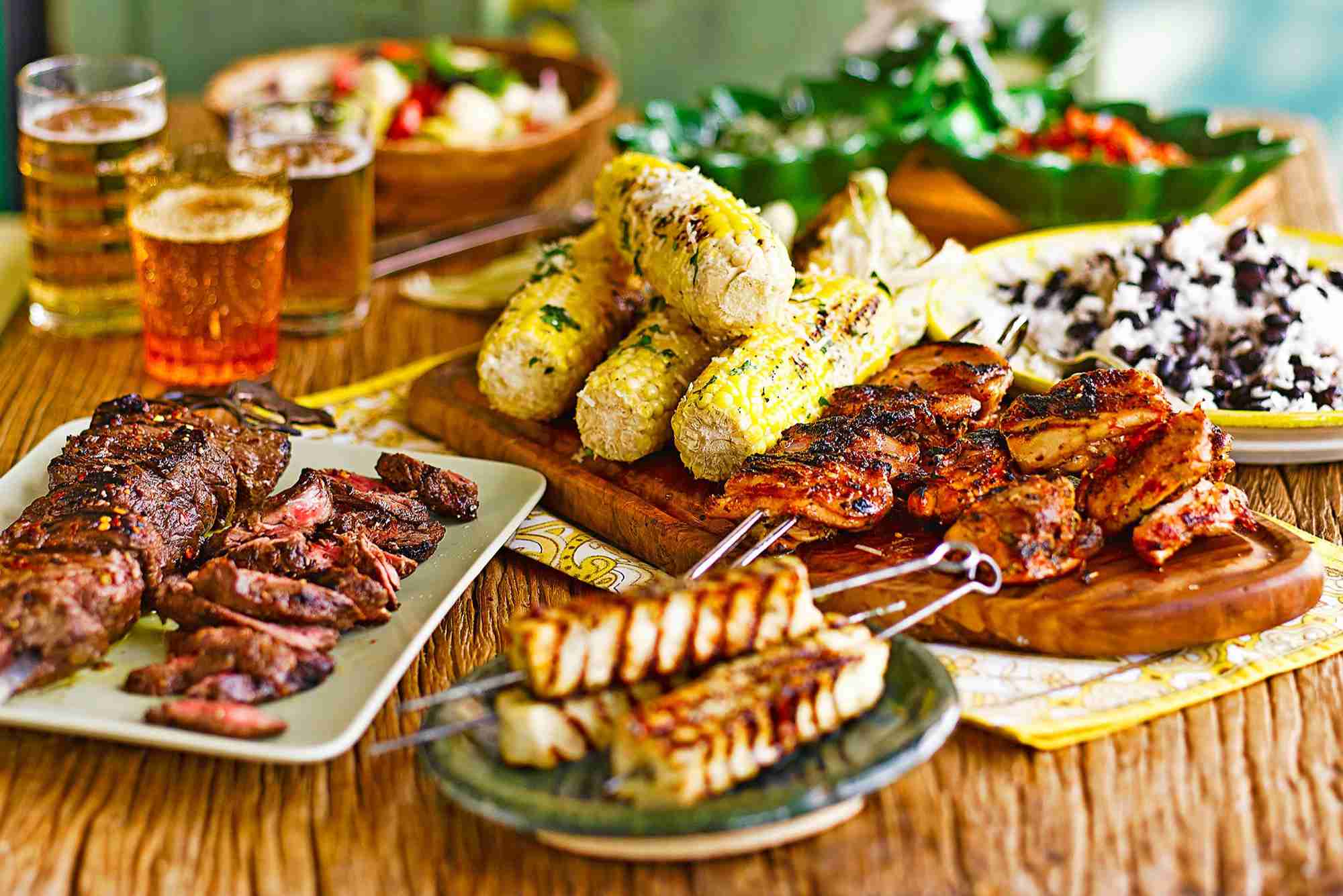
The South has a strong barbecue culture. Known for churrasco, this region enjoys grilled meats cooked on skewers over open flames. German and Italian immigrants also brought pastries, pasta, and polenta to the local menus. Meals are heartier, especially in colder months.
Food as a Social Experience in Brazil
Eating in Brazil is rarely a solo activity. Whether at home or at restaurants, meals are about connection. Families sit together for Sunday feijoada, coworkers go to buffet-style “per-kilo” restaurants during lunch, and friends meet for afternoon coffee. Food plays a role in celebrating life—birthdays, holidays, and even casual weekends often involve food gatherings.
Hospitality is central to Brazil food habits. If you visit someone’s home, you’re likely to be offered coffee, juice, or a small treat, even if you weren’t expected. Sharing meals is seen as a way to bond, and refusing food can sometimes be viewed as impolite.
Common Ingredients in Brazilian Cuisine
Understanding brazil food habits means recognizing the ingredients that form the base of everyday meals. These components not only nourish the body but also reflect Brazil’s agricultural richness.
Beans and rice are the foundation of most meals. Whether black beans in Rio or brown beans in the northeast, they’re almost always paired with white rice.
Cassava, known as mandioca or aipim, appears in many forms—from flour (used in farofa) to fried or boiled chunks served as sides.
Corn is widely used, especially in cakes, stews, and puddings.
Meat is popular—especially beef, pork, and chicken. Fish is common along the coast and in riverine regions.
Tropical fruits like papaya, mango, passionfruit, guava, and açaí are commonly eaten fresh, juiced, or in desserts.
Coconut is used in both sweet and savory dishes, particularly in the north and northeast.
Dining Etiquette and Customs
Brazilians value manners at the table. It’s customary to wait for everyone to be served before eating. People typically use utensils even when eating pizza or sandwiches, especially in formal settings.
At home, meals are usually served in the kitchen or dining room, with food placed in serving dishes at the center of the table. Buffets are common at restaurants, where customers pay based on weight.
On weekends, many families go out for lunch or prepare a traditional Sunday meal. Restaurants are busiest during this time, and reservations may be necessary in large cities.
Changes in Modern Eating Patterns
Like many countries, Brazil is seeing shifts in eating habits. Urban lifestyles have led to increased consumption of fast food, processed snacks, and delivery services. Young professionals often skip breakfast or eat on the go.
Still, traditional food culture remains strong, especially in smaller towns and rural areas. Markets, street vendors, and homemade dishes continue to play a major role in everyday life.
The recent health trend has also brought attention to whole foods, organic markets, and plant-based eating. Açaí bowls, quinoa, and salads have grown in popularity, especially among health-conscious Brazilians.
FAQ
Q: What is the main meal of the day in Brazil?
A: Lunch is the main meal. It is large, balanced, and often eaten with family or coworkers between 12 PM and 2 PM.
Q: Do Brazilians eat a lot of spicy food?
A: Not usually. While the northeast region uses more spices, most Brazilian dishes are seasoned with herbs, garlic, and onions rather than chili heat.
Q: What time do Brazilians eat dinner?
A: Dinner is typically between 7 PM and 9 PM, though this varies by region and lifestyle.
Q: What is a typical Brazilian breakfast?
A: A Brazilian breakfast usually includes coffee with milk, bread rolls, cheese, and sometimes fruit or tapioca.
Q: Are there any food-related traditions in Brazil?
A: Yes. Traditional Sunday feijoada, afternoon coffee gatherings, and birthday treats like brigadeiros are all beloved customs.
Brazil food habits reflect much more than eating schedules—they tell the story of a diverse nation where food brings people together. From the way meals are timed to what’s on the plate, every dish connects locals to their region, family, and heritage. Whether you’re visiting Brazil or just exploring its culture from afar, understanding these food habits will offer you a richer view of Brazilian life.