
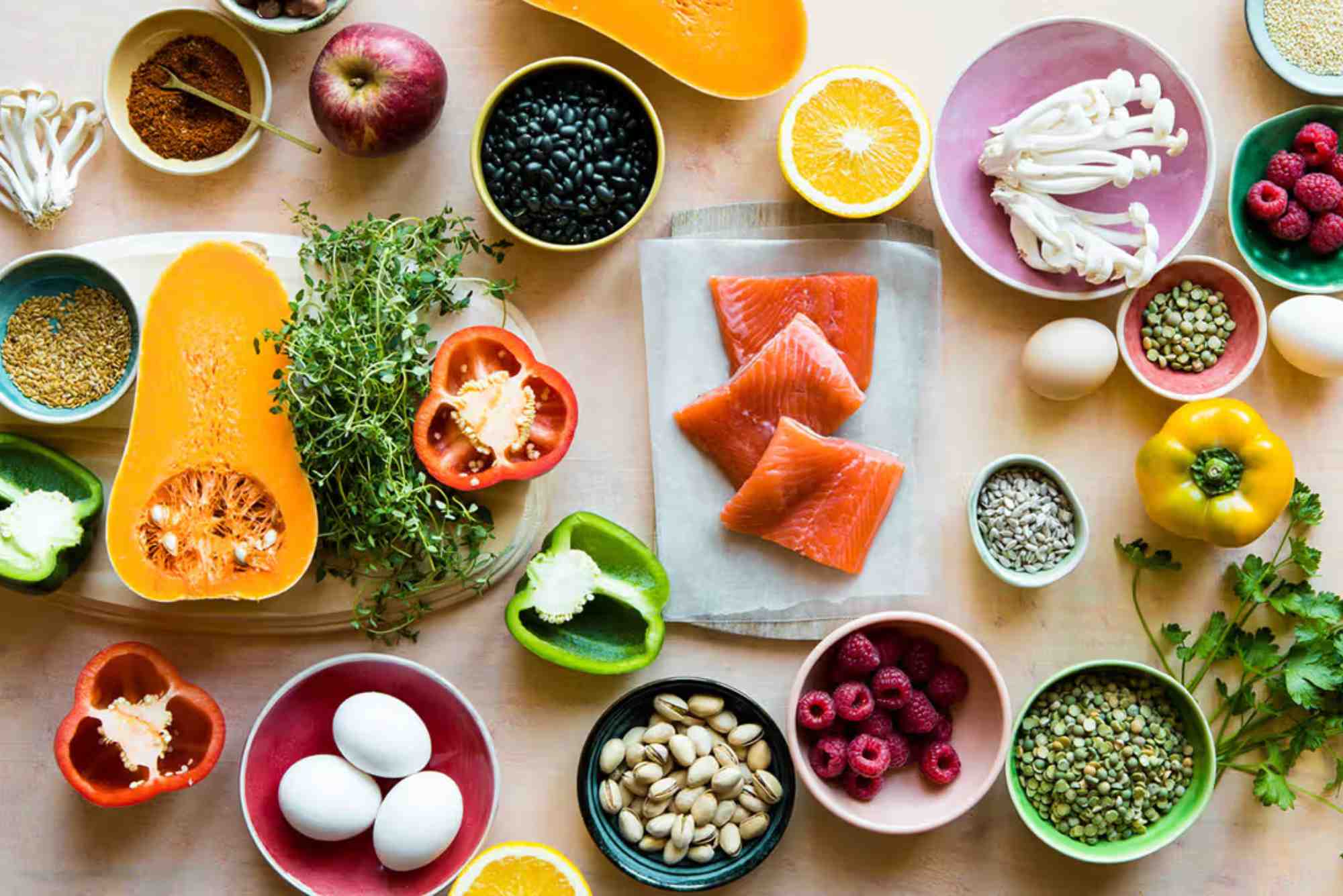
Best Foods That Help Fight Blood Infections Naturally
Blood infections, also known as sepsis or septicemia, can be life-threatening if not treated promptly. While medical intervention is essential in severe cases, supporting your body through proper nutrition is equally important. The right foods can strengthen your immune system, reduce inflammation, and help your body fight off infections effectively. In this guide, we explore the best blood infection cure foods that work naturally with your body to speed up recovery and protect your health.
Understanding Blood Infections and the Role of Food
Blood infections occur when harmful bacteria, viruses, or fungi enter the bloodstream. This triggers the immune system to respond aggressively, which can lead to widespread inflammation. Medical treatment often involves antibiotics or antivirals, but diet plays a crucial supportive role. Nutrient-rich foods can help regulate the immune response, promote detoxification, and enhance the body’s natural healing process.
Choosing the right food during or after a blood infection is not just about eating healthy. It’s about eating strategically to give your body the tools it needs to fight the invaders.
Nutrients Essential for Fighting Blood Infections
Your diet should include foods that are high in specific nutrients known to boost immunity and fight infections. These include:
- Vitamin C – Enhances white blood cell production
- Vitamin E – A strong antioxidant that supports immunity
- Zinc – Critical for immune cell function
- Iron – Helps transport oxygen in the blood
- Probiotics – Strengthen gut health and immunity
- Omega-3 fatty acids – Reduce inflammation
Each of these nutrients plays a unique role in the battle against blood infections. When combined in your daily meals, they can offer powerful protection.
Top Blood Infection Cure Foods for a Natural Recovery
Incorporating the following foods into your daily routine can help your body fight blood infections and recover faster.
Citrus Fruits
Oranges, lemons, limes, and grapefruits are high in vitamin C, a key immune-boosting nutrient. Vitamin C helps white blood cells function more effectively and supports the skin’s barrier to pathogens. A glass of fresh orange juice or a bowl of mixed citrus fruits daily can do wonders for your immune system.
Garlic
Garlic has long been recognized for its medicinal properties. It contains allicin, a sulfur compound known for its powerful antibacterial and antifungal effects. Raw garlic or lightly cooked garlic can help prevent the spread of infections in the blood.
Leafy Greens
Spinach, kale, and Swiss chard are rich in vitamins A, C, and E, as well as antioxidants. These nutrients help reduce inflammation and strengthen the immune response. Leafy greens also promote detoxification through the liver, supporting overall health.
Turmeric
Curcumin, the active compound in turmeric, is known for its potent anti-inflammatory and antimicrobial properties. It helps lower inflammation in the body and has shown promise in supporting recovery from infections. Mixing turmeric into teas, soups, or curries can be a flavorful and healing addition.
Ginger
Like turmeric, ginger is a root with powerful healing properties. It can inhibit the growth of certain bacteria and supports digestion, which is essential for nutrient absorption. Fresh ginger tea can help fight infection and soothe the body.
Berries
Blueberries, strawberries, raspberries, and blackberries are rich in antioxidants like anthocyanins, which protect cells from oxidative stress caused by infection. These fruits also provide fiber, which supports gut health — a critical component of immunity.
Yogurt and Fermented Foods
A healthy gut means a strong immune system. Yogurt with live cultures and fermented foods like kimchi, sauerkraut, and kefir are rich in probiotics. These “good” bacteria help maintain a balance in your gut microbiome, which is vital in fighting infections.
Fatty Fish
Salmon, mackerel, and sardines are excellent sources of omega-3 fatty acids. These fats reduce inflammation and support cardiovascular health, which is often stressed during a blood infection. Eating fatty fish 2-3 times a week can support the body’s healing.
Bone Broth
Bone broth is packed with collagen, amino acids, and minerals that support gut health and immune function. It’s also easy to digest, making it ideal for those recovering from illness. Sipping on warm bone broth can provide comfort and nourishment.
Green Tea
Green tea contains catechins, powerful antioxidants that may help inhibit bacterial growth. It also provides hydration and a gentle boost in energy without the crash of coffee. Drinking 2–3 cups a day can support the immune system during recovery.
Nuts and Seeds
Almonds, walnuts, chia seeds, and sunflower seeds are rich in vitamin E and healthy fats. These nutrients help maintain immune cell structure and combat oxidative stress. A small handful of mixed nuts makes a great infection-fighting snack.
Beets
Beets are loaded with antioxidants and nitrates, which improve blood flow and oxygenation. They also support liver function, which is key to removing toxins from the blood. Adding roasted or juiced beets can enhance recovery.
Onions
Onions contain quercetin, an antioxidant with anti-inflammatory and antimicrobial properties. They also help thin mucus and support respiratory health. Use onions in soups, stews, or raw in salads to maximize their benefits.
Mushrooms
Medicinal mushrooms like shiitake, maitake, and reishi are known for their immune-enhancing effects. They help activate immune cells and improve the body’s response to pathogens. Adding mushrooms to your meals can provide long-term immunity benefits.
Water and Hydration
Though not a “food,” water is essential. Staying hydrated helps flush toxins out of your system, supports kidney function, and regulates body temperature — all crucial during a blood infection. Add lemon or cucumber slices to your water for extra nutrients.
Lifestyle Tips to Complement Blood Infection Cure Foods
Nutrition works best when combined with other healthy lifestyle habits. Here are a few ways to maximize the benefits of blood infection cure foods:
- Get enough sleep to allow your immune system to repair
- Practice good hygiene to prevent reinfection
- Manage stress through meditation or light exercise
- Avoid processed foods and excessive sugar, which weaken immunity
Food and lifestyle choices together create a strong foundation for healing. Even when medical treatment is necessary, supporting your body with proper nutrition can speed up recovery and reduce complications.
Let Food Be Your First Line of Defense
While antibiotics and medical care are essential in serious cases of blood infection, incorporating blood infection cure foods into your daily diet can play a powerful role in your recovery. Foods rich in antioxidants, anti-inflammatory compounds, vitamins, and minerals help your body fight the infection naturally and regain strength.
Your kitchen holds more healing power than you might think. Start with small changes — a daily cup of green tea, a handful of berries, or a spoonful of turmeric in warm milk. Over time, these foods can build resilience and promote long-term health.
Take action today: Start adding these natural blood infection cure foods to your diet and give your body the defense it deserves. Your health begins with what’s on your plate.
FAQ
Q: What foods help fight blood infections naturally?
A: Foods like garlic, turmeric, green tea, citrus fruits, yogurt, and fatty fish support immunity and help fight blood infections naturally.
Q: Can food alone cure a blood infection?
A: No, food alone can’t cure severe blood infections. However, nutrient-rich foods can support recovery and strengthen your immune system when combined with medical treatment.
Q: Is garlic effective against blood infections?
A: Yes, garlic has natural antibacterial properties due to allicin. It can help prevent the spread of infection when consumed regularly.
Q: What should I avoid eating during a blood infection?
A: Avoid processed foods, sugar, excessive dairy, and fried items, as these can suppress immune function and increase inflammation.
Q: How much water should I drink during a blood infection?
A: Aim for at least 8-10 glasses of water daily to stay hydrated and help your body flush out toxins effectively.