
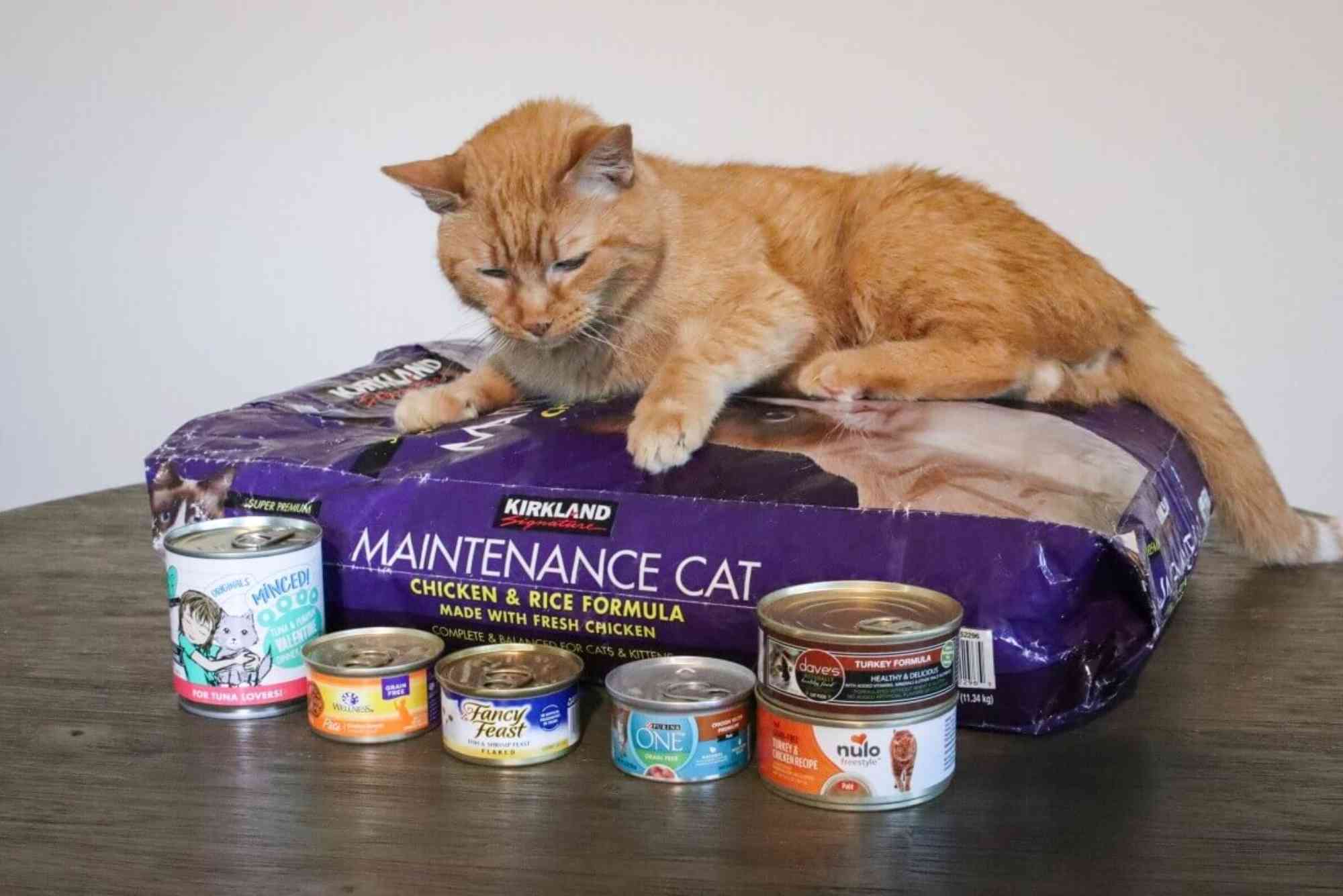
Top-Rated Cat Foods for IBS and Sensitive Stomachs
Cats with Irritable Bowel Syndrome (IBS) or sensitive stomachs need more than just love—they need the right nutrition. Finding the best food for cats with IBS can significantly improve their health and quality of life. If your feline friend often deals with vomiting, diarrhea, or bloating, it may be time to reassess their diet.
This guide explores the top-rated foods specially formulated for cats with digestive issues, backed by veterinarians and pet nutritionists. Whether you’re dealing with mild sensitivities or a chronic digestive disorder, we’ve got the insights to help you make informed, effective choices.
Understanding IBS and Digestive Sensitivities in Cats
Before choosing a special diet, it’s important to understand how IBS affects your cat.
What is Feline IBS?
IBS in cats is a chronic gastrointestinal disorder characterized by inflammation of the intestines. It’s not caused by infection but by long-term irritation that disrupts digestion.
Symptoms to Watch For
- Chronic diarrhea or constipation
- Frequent vomiting
- Excessive gas
- Weight loss
- Poor appetite
If your cat shows any of these signs consistently, consult a veterinarian before changing their diet.
What to Look for in the Best Food for Cats with IBS
Choosing the right food is about more than labels. You need a product tailored to your cat’s specific needs.

Limited Ingredient Diets (LID)
Cats with IBS often react to certain proteins or grains. LID formulas reduce exposure to allergens by including only one or two main ingredients.
Easily Digestible Proteins
Protein sources like turkey, rabbit, or hydrolyzed chicken are easier on the digestive system than red meat or fish.
Grain-Free Options
While not every cat is sensitive to grains, many IBS-prone cats benefit from grain-free diets. Look for recipes without corn, soy, or wheat.
Prebiotics and Probiotics
These gut-friendly ingredients help regulate digestion and reduce inflammation. Probiotics restore healthy bacteria in the intestines, while prebiotics feed those bacteria.
Fiber Content
Balanced fiber helps firm up stools and regulate bowel movements. Pumpkin and beet pulp are great natural sources.
Top-Rated Cat Food Options for IBS and Sensitive Stomachs
Let’s look at expert-recommended cat foods known for managing IBS and stomach sensitivity.
Royal Canin Veterinary Diet Gastrointestinal
This vet-formulated option is a favorite among professionals. It supports gut health with highly digestible proteins and added omega-3s. The fiber blend helps regulate stool consistency.
Hill’s Prescription Diet i/d Digestive Care
Designed for cats with complex gastrointestinal issues, this formula includes prebiotic fibers, antioxidants, and easy-to-digest chicken.
Blue Buffalo Sensitive Stomach
This grain-free formula is packed with brown rice, pumpkin, and lean turkey. It contains LifeSource Bits—a blend of vitamins, minerals, and antioxidants.
Wellness CORE Digestive Health
Formulated with digestive enzymes and probiotics, this option provides excellent nutritional support. It’s high in protein and low in irritants, making it ideal for IBS.
Purina Pro Plan Veterinary Diets EN Gastroenteric
This clinical diet features low-fat content and optimal levels of fiber. It’s especially helpful for cats prone to vomiting or diarrhea after meals.
Transitioning Your Cat to a Sensitive Stomach Diet
Switching to a new food should be done gradually to avoid shocking your cat’s system.
Step-by-Step Guide
- Days 1–3: 75% old food, 25% new food
- Days 4–6: 50% old food, 50% new food
- Days 7–9: 25% old food, 75% new food
- Day 10: 100% new food
Monitor your cat closely during this time. Any increase in vomiting, diarrhea, or refusal to eat may require a slower transition or a different food.
Lifestyle Tips for Cats with IBS
Managing IBS isn’t just about food. Other lifestyle adjustments can help maintain digestive health.
Maintain a Consistent Feeding Schedule
Feed your cat at the same times every day. This helps regulate their digestive system and reduces anxiety that can trigger IBS flare-ups.
Keep Fresh Water Available
Hydration is crucial, especially for cats dealing with diarrhea. Consider a water fountain to encourage drinking.
Reduce Environmental Stress
Cats are sensitive creatures. Changes in routine, loud noises, or new pets can cause digestive flare-ups. Create a calm, predictable home environment.
Common Triggers to Avoid
Understanding what not to feed is just as important as choosing the right food.
Foods to Steer Clear Of
Frequently Asked Questions About Cat IBS Diets
What is the best food for cats with IBS?
The best food for cats with IBS includes limited ingredients, easily digestible proteins, and added probiotics. Vet-recommended options like Royal Canin Gastrointestinal or Hill’s i/d Digestive Care are highly effective.
What can I feed my cat with a sensitive stomach?
Choose a food that is low in fat, free of grains, and rich in prebiotics. Slowly transition to a specialized formula and monitor symptoms.
How do I know if my cat’s food is causing stomach issues?
If your cat experiences vomiting, loose stools, or appetite loss after eating, their food may be the cause. Try a limited ingredient or hydrolyzed diet.
Can probiotics help cats with IBS?
Yes. Probiotics can restore balance in the gut microbiome and reduce inflammation. Many sensitive stomach cat foods now include them.
Is wet or dry food better for cats with IBS?
Wet food can be easier to digest and provides more hydration. However, the quality of ingredients matters more than the format. Choose based on your cat’s preference and needs.
When to See a Vet
If dietary changes don’t lead to improvement within a few weeks, it’s time to consult a veterinarian. Other conditions, like pancreatitis or intestinal parasites, can mimic IBS symptoms. Blood tests or ultrasounds may be necessary.
Choose the Best Food for Cats with IBS and Help Them Thrive
Caring for a cat with IBS can be challenging, but with the right diet and routine, your furry friend can live a happy, healthy life. The best food for cats with IBS supports digestion, reduces inflammation, and provides complete nutrition without upsetting their stomach.
Start with a vet-approved formula, transition slowly, and be patient. Track symptoms and consult your vet for personalized advice.
Ready to help your cat feel their best? Explore high-quality, sensitive stomach cat foods today and give your pet the digestive relief they deserve.