
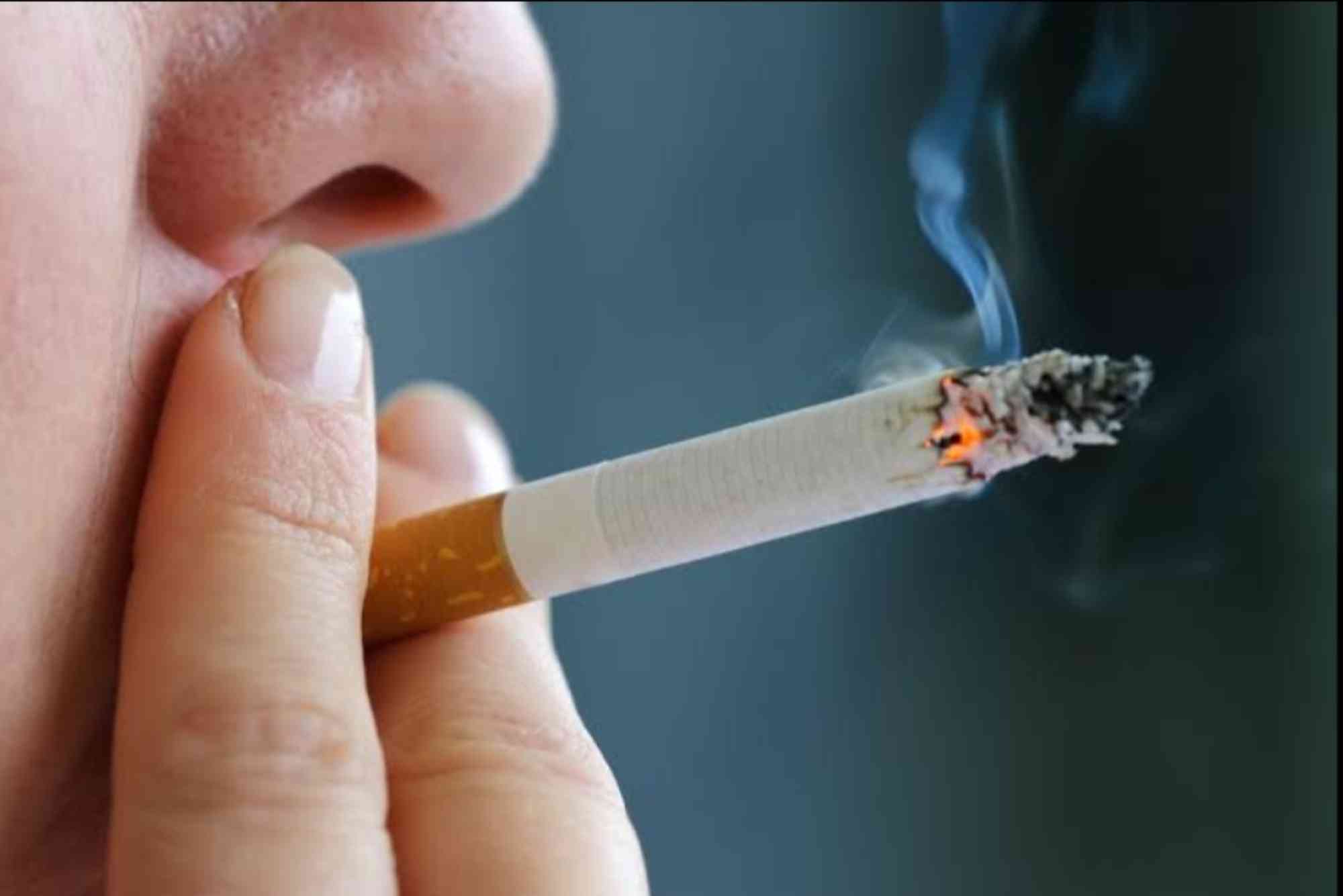
The Truth You Can’t Ignore
Smoking remains one of the most preventable causes of death worldwide. Despite growing awareness, millions still underestimate the real harm it causes. If you’ve ever wondered about smoking being injurious to health, it’s time to uncover the truth that cannot be ignored. This article explores the deadly impact of smoking on your body, mind, and the people around you—backed by facts, expert insights, and practical steps to break free.
What Happens When You Smoke?
Cigarette smoke contains over 7,000 chemicals. Around 70 of them are known to cause cancer. With every puff, these toxic substances enter your lungs, bloodstream, and organs—damaging them over time.
Damage to the Lungs and Respiratory System
Smoking paralyzes tiny hair-like structures in your airways known as cilia. These are meant to sweep away harmful particles, but smoking weakens their function. As a result, tar builds up in the lungs, increasing the risk of chronic bronchitis, asthma, and lung cancer.
Impact on the Heart and Blood Vessels
Nicotine, the addictive substance in cigarettes, narrows blood vessels and increases blood pressure. Smoking thickens your blood, making it harder to flow. This leads to heart disease, stroke, and poor circulation in limbs.
Harm to the Brain and Mental Health
People who smoke are more likely to experience anxiety and depression. While many use cigarettes as a coping mechanism, nicotine withdrawal worsens mental health symptoms over time.
Long-Term Health Risks of Smoking
You might not feel the effects immediately. But over time, smoking significantly increases your risk of life-threatening illnesses.

Cancer Risk
Smoking is responsible for nearly 90% of all lung cancer cases. It also contributes to cancers of the throat, mouth, esophagus, pancreas, bladder, and cervix.
Weak Immune System
Smoking lowers the immune system’s ability to fight infections. This makes smokers more vulnerable to illnesses such as pneumonia and tuberculosis.
Reduced Life Expectancy
On average, smokers die 10 years earlier than non-smokers. The more you smoke, the higher your chances of developing a terminal illness.
Why Passive Smoking is Just as Dangerous
Even if you don’t smoke, exposure to secondhand smoke can harm your health. Passive smoking causes thousands of deaths each year, particularly among children and the elderly.
Risks for Children
Kids exposed to smoke are more likely to suffer from asthma, sudden infant death syndrome (SIDS), ear infections, and delayed lung development.
Dangers for Pregnant Women
Smoking during pregnancy increases the risk of miscarriage, low birth weight, premature birth, and birth defects.
About Smoking Being Injurious to Health: The Psychological Trap
Nicotine addiction isn’t just physical—it’s also deeply psychological. Many smokers struggle to quit because cigarettes become tied to routines, emotions, and stress relief.
The Cycle of Dependence
When nicotine levels drop, withdrawal symptoms such as irritability, restlessness, and anxiety kick in. Smoking a cigarette temporarily relieves these symptoms, reinforcing the habit.
Marketing and Misleading Narratives
Despite public bans, tobacco companies still find ways to advertise subtly. Flavored cigarettes, stylish packaging, and misleading terms like “light” or “mild” create a false sense of safety.
Social and Economic Consequences of Smoking
Smoking doesn’t only affect your health—it affects your social life, finances, and productivity.
Financial Costs
The average smoker spends thousands of dollars each year on cigarettes. Medical expenses for smoking-related diseases also add a huge financial burden.
Social Isolation
With stricter public smoking bans, smokers often feel excluded in social situations. The smell of smoke, yellowed teeth, and chronic cough can also affect relationships.
Workplace Productivity
Smokers are more likely to take sick days, experience fatigue, and have reduced concentration. This can affect career growth and job retention.
Why Quitting Smoking Is the Best Decision You’ll Ever Make
Quitting smoking may feel hard, but the benefits are immediate and life-changing.
Health Improvements After Quitting
- Within 20 minutes: Heart rate and blood pressure drop.
- Within 12 hours: Carbon monoxide levels in the blood normalize.
- Within weeks: Lung function improves, and coughing reduces.
- Within a year: Risk of heart disease drops by 50%.
Psychological and Emotional Rewards
Many ex-smokers report better sleep, improved mood, and increased self-esteem after quitting. Breaking free from addiction feels empowering and energizing.
Better Quality of Life
From breathing easier to enjoying food more, quitting enhances everyday experiences. It also protects loved ones from secondhand smoke.
How to Quit Smoking Successfully
Quitting smoking isn’t about willpower alone. It’s about strategy, support, and patience.
Get Professional Help
Talk to a doctor or visit a smoking cessation clinic. Medications like nicotine patches, gum, or prescription pills can ease withdrawal symptoms.
Use Behavioral Support
Join a support group, seek therapy, or use apps designed to help you stay on track. Behavioral therapy doubles your chances of quitting successfully.
Identify Your Triggers
Know what makes you reach for a cigarette—stress, boredom, or social settings—and plan healthy alternatives like walking, chewing gum, or deep breathing.
Stay Committed
Relapse is common. If it happens, don’t give up. Learn from it and try again. Many people need multiple attempts before they succeed.
Real Stories: Former Smokers Share Their Journey
People from all walks of life have successfully quit smoking. Their stories are proof that change is possible.
- Ahmed, 42: “I had chronic bronchitis for years. After quitting, I feel 10 years younger.”
- Sara, 29: “Quitting helped me focus better and improved my anxiety.”
- Imran, 51: “I wanted to be a role model for my kids. It was the best choice I ever made.”
Expert Opinions on Why Smoking is Injurious to Health
Leading health organizations like the World Health Organization (WHO) and CDC have long confirmed the dangers of smoking. Research from Johns Hopkins Medicine, Mayo Clinic, and Harvard Health also support the link between smoking and deadly diseases. According to WHO, smoking causes over 8 million deaths globally each year—more than HIV, malaria, and tuberculosis combined.
FAQs – People Also Ask
What happens to your body when you stop smoking?
Your heart rate and blood pressure drop within 20 minutes. Lung function improves within weeks. Over time, your risk of cancer, stroke, and heart disease significantly decreases.
Can smoking one cigarette a day harm you?
Yes. Even one cigarette a day increases the risk of heart disease and stroke. No level of smoking is safe.
How does smoking affect your brain?
Nicotine impacts brain chemistry, increasing the risk of addiction, anxiety, and cognitive decline over time.
Is it too late to quit smoking after 40?
No. Quitting at any age improves your health. Even if you’ve smoked for decades, stopping now reduces future health risks.
Why is smoking so addictive?
Nicotine triggers dopamine release, creating pleasure. Over time, the brain craves more, making it hard to stop without support.
Break the Habit Before It Breaks You
The facts about smoking being injurious to health are undeniable. It’s not just a bad habit—it’s a deadly addiction. But the good news is, quitting is possible, and every day you stay smoke-free is a win for your health, your family, and your future.
If you or someone you love smokes, take the first step today. Talk to a doctor, explore support groups, or download a quit-smoking app. Don’t wait until it’s too late—your health is worth it.