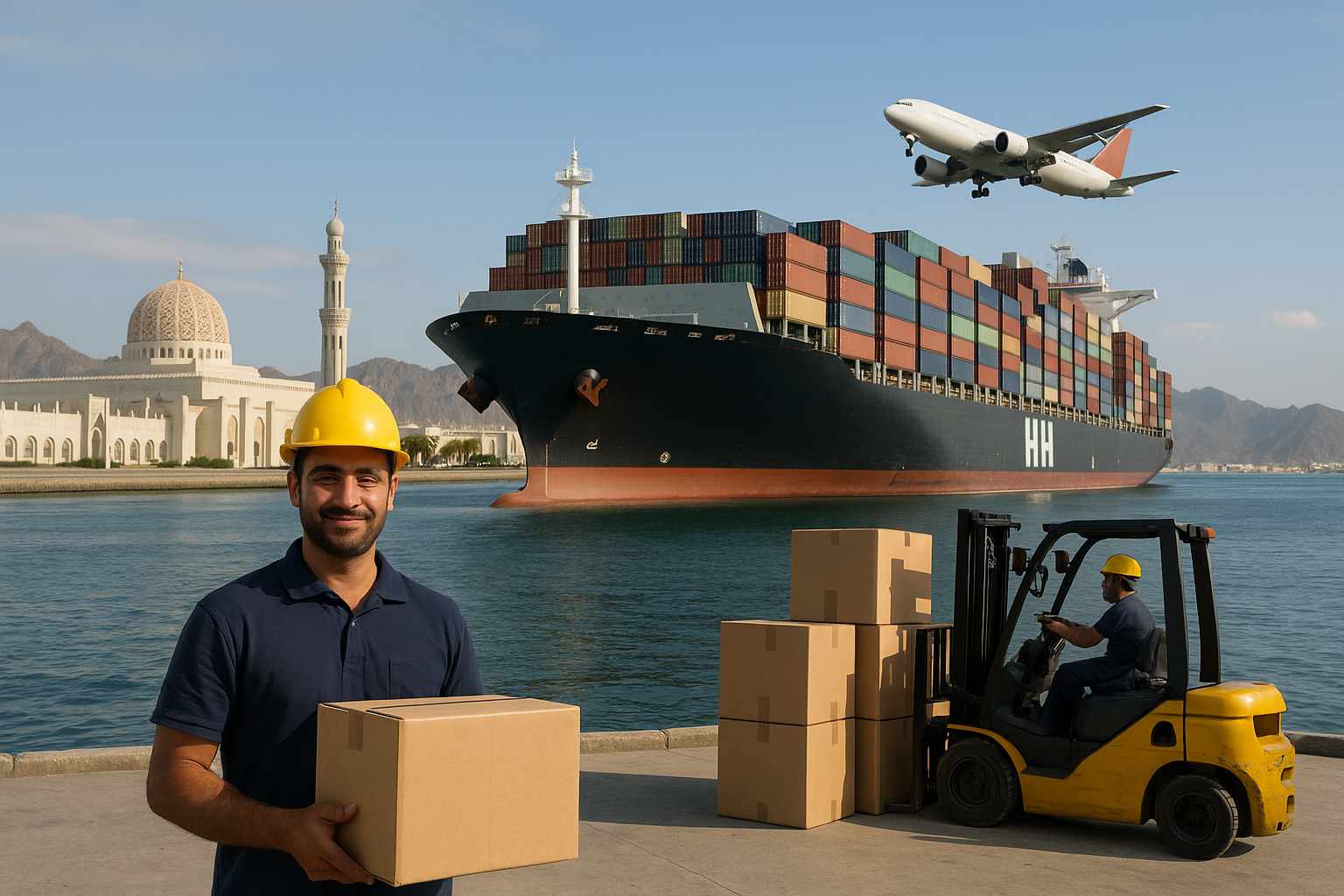

What Is a Trading Company? Explained for Beginners
If you’ve ever wondered how products move across borders and get from manufacturers to stores or customers, chances are a trading company was involved. A trading company acts as a bridge between producers and buyers, playing a crucial role in the supply chain. Whether it’s smartphones, clothing, or industrial equipment, a trading company often manages the logistics, negotiations, and regulatory requirements of buying and selling.
What Does a Trading Company Do?
A trading company specializes in buying products from suppliers and selling them to customers, retailers, or other businesses. These companies don’t typically manufacture goods themselves. Instead, they rely on their network, market knowledge, and logistics capabilities to move products efficiently and profitably.
Facilitating International Trade
One of the primary roles of a trading company is to simplify international trade. Navigating customs regulations, international shipping logistics, foreign currency payments, and language barriers can be complicated. A trading company handles these aspects for both buyers and sellers. For example, a trading company in China might help a manufacturer export goods to Europe, managing everything from documentation to delivery.
Sourcing Products and Suppliers
Trading companies often maintain relationships with a wide network of manufacturers. They use this network to find the best prices, ensure product quality, and meet demand. Businesses that don’t have the resources to scout foreign suppliers often rely on trading companies to do this for them. This makes them especially important for small businesses and startups looking to import or export goods.
Negotiating Deals
Because trading companies have deep experience in their markets, they are skilled negotiators. They understand pricing structures, seasonal demand changes, and how to secure favorable payment terms. They act as intermediaries who negotiate with manufacturers and buyers to ensure profitability for all parties involved.
Managing Risk
International trade comes with risks—fluctuating exchange rates, political instability, supply chain disruptions, and fraud. A trading company works to mitigate these risks by handling contracts, ensuring supplier reliability, and sometimes even insuring shipments. They also ensure compliance with local and international laws, reducing the chance of costly penalties.

Types of Trading Companies
Not all trading companies operate the same way. Their structure and function often depend on the industry and geographical focus.
General Trading Companies
These companies deal with a wide range of products, from electronics to raw materials. They are often large and well-established, with the infrastructure to manage large-scale operations. General trading companies play a major role in countries like Japan, South Korea, and China, where they dominate export and import markets.
Specialized Trading Companies
Some companies focus on a specific product category such as agricultural goods, pharmaceuticals, textiles, or electronics. They tend to have deep expertise in their niche and can provide better pricing, product quality control, and regulatory knowledge than general traders.
Import and Export Companies
These companies concentrate either on bringing products into a country (importing) or sending them out (exporting). While similar to trading companies, they typically focus more on logistics and customs clearance than sourcing.
Online and B2B Platforms
In the digital era, many trading companies operate through online platforms like Alibaba, Amazon Business, or other B2B marketplaces. These platforms act as intermediaries, much like traditional trading companies, by connecting suppliers and buyers across the globe.
How Do Trading Companies Make Money?
Trading companies earn profit through the margin between the buying and selling price of products. This margin is often based on their ability to negotiate bulk deals, access low-cost suppliers, and add value through logistics or packaging.
In some cases, they also charge service fees for quality inspection, warehousing, insurance, and supply chain management. The more value they provide, the more profit they can potentially earn. Some trading companies also operate under commission-based models, particularly when acting as agents for overseas buyers.
Why Are Trading Companies Important?
Trading companies serve as vital links in global commerce. Without them, many small or medium-sized businesses would struggle to access international markets. They reduce costs for buyers by securing better deals from manufacturers. They also simplify complex processes, enabling businesses to focus on sales and growth instead of customs paperwork and freight logistics.
In developing countries, trading companies can help local producers reach global markets, encouraging economic development. They often bring market insights that help manufacturers improve product quality or adapt goods to international standards.
Starting a Trading Company: What You Need to Know
If you’re considering launching your own trading company, it’s important to understand the business model and prepare accordingly. You’ll need to:
- Research your market and product category.
- Establish connections with reliable suppliers and buyers.
- Learn about import/export laws in your target countries.
- Understand logistics, packaging, and transportation.
- Develop a solid pricing and profit margin strategy.
- Consider risk management tools such as trade insurance.
Having a deep understanding of supply chain operations and international trade laws will give you a strong foundation. Strong communication skills, both online and in person, are equally essential since most of your business depends on trust and negotiation.
Digital Transformation in Trading
With advancements in technology, traditional trading companies are becoming more digital. Today, automation, artificial intelligence, and blockchain are revolutionizing how these businesses operate.
For example, AI can forecast demand, recommend suppliers, or manage inventory in real time. Blockchain can help ensure transparency and authenticity in transactions by creating a digital record of every step in the supply chain.
These digital tools reduce fraud, increase efficiency, and help trading companies scale their operations faster. Even small startups can now compete globally by leveraging digital platforms and software to manage complex trade operations.
The Future of Trading Companies
The role of a trading company continues to evolve. As e-commerce grows and global supply chains become more interconnected, the demand for efficient, trustworthy trading companies will likely increase.
However, rising expectations around transparency, sustainability, and speed will push trading companies to modernize their operations. Businesses that fail to adapt may lose their competitive edge. The companies that succeed will be those that blend deep industry knowledge with cutting-edge technology. They will focus on long-term partnerships, real-time data sharing, and delivering value beyond just buying and selling products.
Why Understanding a Trading Company Matters
In the global economy, trading companies are the behind-the-scenes champions that keep products flowing smoothly from one end of the world to the other. They simplify the complexities of international trade, offer valuable services, and open access to products and markets that might otherwise be out of reach.
Whether you’re a business owner looking to import goods, a professional exploring trade as a career, or someone simply curious about how the world of commerce works, understanding the role of a trading company is essential.
FAQs
What is a trading company in simple terms?
A trading company is a business that buys products from one place and sells them to another, often across international borders. It connects manufacturers with customers and handles logistics, payments, and regulations.
How does a trading company work?
It works by sourcing products, negotiating deals, managing shipping and customs, and then selling to buyers for a profit. It may specialize in imports, exports, or both.
Is a trading company the same as a manufacturer?
No, a trading company does not produce goods. It buys from manufacturers and sells to customers, acting as a middleman.
Can anyone start a trading company?
Yes, with the right knowledge, network, and legal setup, anyone can start a trading company. It requires careful planning, understanding of trade regulations, and good supplier relationships.
Do trading companies handle shipping?
Yes, many trading companies manage shipping, warehousing, and customs clearance as part of their services.