
Introduction
The 2018 Camaro tire pressure plays a crucial role in the way your car handles, accelerates, and keeps you safe on the road. When tires are inflated correctly, your Camaro delivers the performance Chevrolet designed it for—smooth handling, strong traction, and even tire wear. On the other hand, incorrect tire pressure can lead to reduced fuel efficiency, poor handling, and even premature tire damage. Understanding how to check, adjust, and maintain your 2018 Camaro tire pressure ensures your car stays in peak condition.
Why Tire Pressure Matters for the 2018 Camaro
The 2018 Camaro is a performance car designed to deliver power and precision. Proper tire inflation supports the suspension, brakes, and drivetrain, enabling the car to hug corners and accelerate smoothly. Tire pressure also affects your car’s safety. Underinflated tires increase rolling resistance, causing overheating and potential blowouts. Overinflated tires reduce contact with the road, leading to less grip and uneven tread wear. Maintaining the recommended 2018 Camaro tire pressure ensures balanced handling and longer-lasting tires.
Safety and Performance Benefits
Correct tire pressure maximizes your Camaro’s braking ability and cornering stability. In wet conditions, properly inflated tires help maintain a secure grip, reducing the risk of hydroplaning. Even a slight deviation from the recommended tire pressure can alter your car’s steering feel and stopping distances. By keeping the tires at the right PSI, you protect both your safety and your investment in the vehicle.
Fuel Efficiency and Cost Savings
Properly inflated tires reduce rolling resistance, allowing your engine to work less hard to move the car forward. This small adjustment can noticeably improve fuel economy. Over time, maintaining the recommended 2018 Camaro tire pressure saves money on gas and prevents premature tire replacements.
Recommended Tire Pressure for the 2018 Camaro
Chevrolet specifies the correct tire pressures for the Camaro in the owner’s manual and on the driver’s side door jamb sticker. For most 2018 Camaro trims equipped with standard tires, the recommended tire pressure is around 32 PSI in the front and 32 PSI in the rear when the tires are cold. Some performance packages, such as the SS or ZL1 models with staggered tire setups, may have slightly different recommended pressures. Always verify the exact numbers on your door placard or owner’s manual.
Cold vs. Warm Tire Pressure
Always check your 2018 Camaro tire pressure when the tires are cold. Driving heats up the air inside the tires, temporarily increasing pressure. Measuring while warm may give you a reading higher than the actual cold PSI. A good rule of thumb is to check the tires first thing in the morning before the car is driven.

Seasonal Adjustments
Temperature changes affect tire pressure. In colder weather, pressure naturally drops, while in hot weather it rises. For every 10°F change in temperature, tire pressure can shift by about 1 PSI. If you live in an area with seasonal changes, check your Camaro’s tire pressure more often to ensure it stays within the recommended range.
How to Check Your 2018 Camaro Tire Pressure
Checking your tire pressure is straightforward and only takes a few minutes. You’ll need a reliable tire pressure gauge, which can be digital or analog. Remove the valve stem cap, press the gauge onto the stem to get a reading, and compare it to your recommended PSI. If the reading is low, add air gradually, checking often to avoid overinflation. If it’s too high, release some air until you reach the correct level.
Using the Camaro’s Tire Pressure Monitoring System (TPMS)
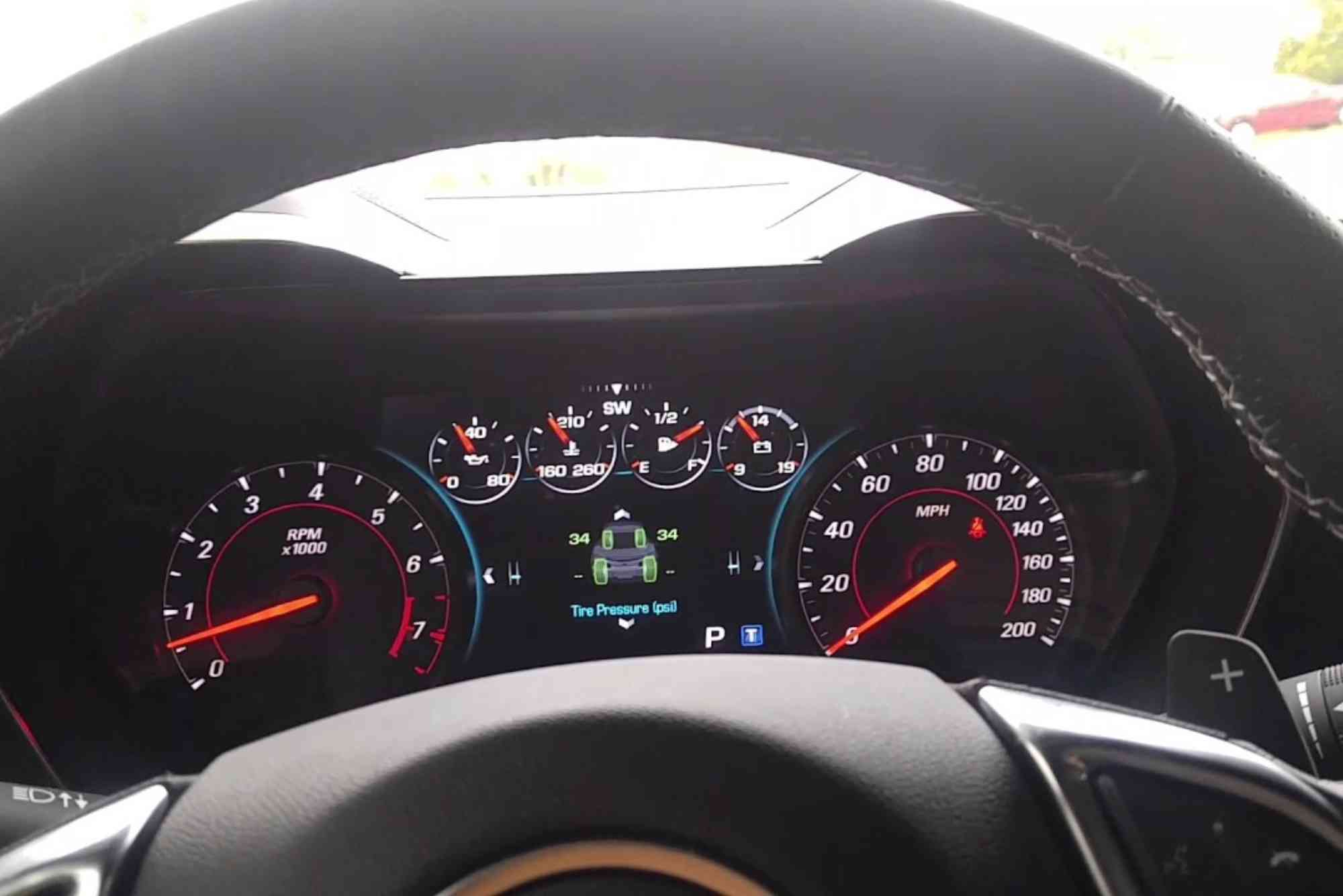
The 2018 Camaro comes equipped with a Tire Pressure Monitoring System (TPMS). This system alerts you on the dashboard when one or more tires deviate significantly from the recommended pressure. While TPMS is a helpful safety net, it’s not a substitute for regular manual checks. The system may not warn you until the pressure is already dangerously low. Combining manual checks with TPMS readings gives you the best protection.
Timing and Frequency
Experts recommend checking your 2018 Camaro tire pressure at least once a month. Also check before long trips or when carrying heavy loads. This proactive habit helps catch small leaks or seasonal shifts before they compromise safety or performance.
Effects of Incorrect Tire Pressure on Your Camaro
Driving with the wrong tire pressure can have noticeable effects on your Camaro’s driving dynamics. Underinflated tires flex more, reducing steering precision and creating more heat as they roll. Overinflated tires reduce the size of the contact patch, decreasing grip and increasing the risk of uneven tread wear. Both conditions shorten the lifespan of your tires and can harm your car’s suspension components over time.
Handling and Ride Comfort
Underinflated tires can make the Camaro feel sluggish when cornering, while overinflated tires make the ride harsh and bouncy. Maintaining the recommended 2018 Camaro tire pressure balances comfort with responsive handling, keeping your driving experience enjoyable and predictable.
Tire Wear and Longevity
Tires wear unevenly when they’re not inflated properly. Underinflated tires wear more on the edges, while overinflated tires wear more in the center. Over time, uneven wear leads to reduced traction and the need for early replacement. Keeping your tires at the correct PSI helps extend their life and ensures consistent performance.
Tips for Maintaining the Correct Tire Pressure
Maintaining proper tire inflation isn’t just about checking PSI—it’s about creating a habit. Keep a tire gauge in your glove box or trunk. Check the pressure in the morning before the sun heats the pavement. Top up with air at a reputable service station or invest in a portable air compressor. Periodically inspect tires for punctures, nails, or cracks that may cause slow leaks.
The Role of Tire Type and Upgrades
If you’ve upgraded your Camaro’s wheels or tires, your recommended tire pressure may differ from the factory settings. Larger wheels or performance tires can change load ratings and required PSI. Consult your tire manufacturer’s specifications or a trusted mechanic to determine the best inflation for your setup.
Don’t Forget the Spare Tire
If your 2018 Camaro is equipped with a spare tire, check its pressure too. A neglected spare may leave you stranded during an emergency. Keeping all your tires, including the spare, properly inflated ensures you’re prepared for any situation.
Frequently Asked Questions About 2018 Camaro Tire Pressure
What is the recommended tire pressure for a 2018 Camaro SS?
Most 2018 Camaro SS models recommend about 32 PSI in the front and 32 PSI in the rear. Always check the door sticker for your specific model.
How often should I check my 2018 Camaro tire pressure?
Check your tire pressure at least once a month and before long trips. Seasonal temperature changes also make frequent checks important.
Can incorrect tire pressure affect my Camaro’s fuel economy?
Yes. Underinflated tires increase rolling resistance, making your engine work harder and reducing fuel efficiency. Proper tire inflation helps maximize mileage.
Does the 2018 Camaro have a tire pressure monitoring system?
Yes. The Camaro’s TPMS alerts you when tire pressure drops significantly below the recommended level. Still, manual checks are recommended for accuracy.
Should I increase tire pressure when carrying heavy loads?
If you’re carrying unusually heavy loads, you may slightly increase tire pressure within safe limits. Always consult your owner’s manual for guidance.
Keep Your 2018 Camaro Tire Pressure on Point
Your Camaro’s tires are the only point of contact between the car and the road. Keeping them properly inflated improves safety, performance, and fuel economy. The 2018 Camaro tire pressure should be checked regularly to ensure it stays within the recommended PSI. By maintaining the correct tire pressure, you protect your investment and enjoy the full potential of your performance car.